


Introduction
The stablecoin sector has crossed a threshold that makes its internal architecture a first-order question rather than plumbing. Aggregate supply sits in the mid-hundreds of billions as of late 2025, with Tether (USDT) and Circle (USDC) still dominant, MakerDAO’s DAI / USDS representing the largest crypto-collateralized design, and Ethena’s USDe having grown into the largest delta-neutral synthetic dollar — its supply oscillating in the multi-billion range over the past year. Each of these three categories solves the same surface problem (a unit pegged to one US dollar) using fundamentally different machinery, and each carries a different dominant failure mode that only becomes visible under stress.
We think of this as a trilemma rather than a comparison. A stablecoin issuer chooses, implicitly or explicitly, which of three properties to weaken: censorship resistance (custodial fiat reserves require a regulated entity), capital efficiency (overcollateralized crypto-backed designs lock more value than they mint), and stability across all market regimes (synthetic delta-neutral designs depend on a positive funding environment that has historically held but is not guaranteed). No live design at scale wins all three at once.
This piece walks through each architecture’s mechanism, isolates its dominant failure mode, and then concentrates on the case that has received the least battle-testing: what happens to a delta-neutral synthetic dollar like USDe in a sustained negative funding regime. We end with the circuit breakers that actually bind versus the ones that read better in documentation than in a real liquidation cascade.
The trilemma, stated precisely

Before comparing the three architectures, it helps to be specific about what each is optimizing.
A stablecoin must produce a token that trades at one dollar across venues, can be redeemed (directly or indirectly) for something approximating a dollar of value, and remains usable through market stress. The three live archetypes solve this differently:
- Custodial fiat-collateralized (USDC, USDT, PYUSD, FDUSD): a regulated or semi-regulated issuer holds reserves of cash and short-duration US Treasuries off-chain and mints a 1:1 claim on-chain. Stability comes from primary-market redemption at par.
- Crypto-collateralized CDP (DAI/USDS, LUSD, GHO): users lock crypto collateral into a smart contract, mint a stablecoin against it at a loan-to-value ratio below 100%, and the protocol uses on-chain liquidations and oracle-priced auctions to keep the system solvent.
- Delta-neutral synthetic (USDe, and historically UXD before it failed for unrelated reasons): the issuer holds a long spot position in a crypto asset and an equivalent short perpetual futures position, so that the net dollar value of the collateral is invariant to the asset’s price. Yield comes from staking the spot leg plus funding payments on the short leg.
The trilemma is that each design surrenders something the others retain. Custodial dollars surrender censorship resistance and introduce counterparty exposure to a specific banking and regulatory stack. CDPs preserve censorship resistance but require overcollateralization, which caps capital efficiency and exposes the system to oracle and liquidation risk during volatile drawdowns. Synthetic dollars achieve high capital efficiency and on-chain redemption but inherit the entire term structure of perpetual funding markets — a structure that has been positive on average but is not structurally guaranteed.
The rest of the article takes each design in turn and identifies the specific mechanism through which it would break.
Custodial dollars: the counterparty surface
USDC and USDT are, mechanically, the simplest of the three. Circle and Tether each maintain reserves predominantly composed of short-dated US Treasuries, repo, and cash, and publish attestations periodically. A market maker with a primary-market account can mint and redeem at par, which keeps secondary-market price tightly bound to one dollar through arbitrage.
The dominant failure mode here is not algorithmic; it is institutional. The system depends on three external parties remaining functional and cooperative simultaneously: the banking partners holding fiat deposits, the custodians holding the Treasury portfolio, and the regulatory regime under which the issuer operates. The March 2023 USDC depeg, when Circle disclosed that around $3.3B of its reserves were held at Silicon Valley Bank as it failed, is the canonical example. USDC traded as low as roughly $0.88 on secondary markets before federal intervention guaranteed uninsured deposits and the peg restored over the following days.
Two observations matter for our trilemma framing. First, the depeg was driven by a non-crypto event — the failure of a regional US bank — that none of the on-chain mechanisms could mitigate. Second, the recovery depended on a discretionary policy decision by US regulators, not on a programmatic backstop. A custodial stablecoin’s tail risk is therefore correlated with sovereign and banking-system risk, which is precisely the risk most users assume they are escaping by holding tokenized dollars.
USDT carries a structurally similar risk with a different composition. Tether discloses a more diversified reserve mix that has historically included secured loans, precious metals, and other crypto, alongside Treasuries. The attestation cadence and counterparty disclosure remain less granular than Circle’s. The result is that the dominant failure mode for USDT is not a banking-partner failure of the SVB type but a confidence-driven redemption run in a period when reserve composition is contested. The peg has held through several such episodes, but the failure mode is the same category: counterparty and disclosure risk, not protocol risk.
CDP stablecoins: the liquidation surface

The CDP model — pioneered by MakerDAO and now extended across LUSD, GHO, crvUSD, and others — relocates the failure surface from off-chain counterparties to on-chain mechanisms. A user deposits collateral (historically ETH; today, increasingly, Real World Assets and other stablecoins), the protocol mints stablecoin against it at a collateralization ratio above 100%, and a price oracle plus liquidation engine keep the system solvent if collateral value drops.
The dominant failure mode is the joint behavior of oracle latency and liquidation throughput during a fast drawdown. Black Thursday — March 12, 2020 — remains the textbook case. ETH fell roughly 50% in 24 hours, Ethereum gas markets congested as users tried to top up collateral, MakerDAO’s oracle update lagged the spot market, and the auction mechanism allowed some keepers to win collateral auctions with zero-DAI bids because no other keepers could land transactions in time. The protocol incurred a multi-million-dollar shortfall that was later covered by an MKR dilution auction.
The lessons embedded in current CDP designs trace directly to that episode. Modern systems use multiple oracle sources with delay buffers, liquidation incentives sized to ensure keeper participation under congestion, and surplus buffers that absorb small shortfalls without triggering token dilution. LUSD’s design adds a Stability Pool that pre-funds liquidations, removing the dependence on real-time keeper bidding. crvUSD’s LLAMMA replaces discrete liquidations with a continuous, AMM-style soft-liquidation curve.
Even with these refinements, two structural risks remain. The first is correlated collateral: if the dominant collateral asset is itself a yield-bearing or restaked derivative — say, a liquid staking token or a basis-trade-backed asset — its depeg or unwind correlates with broader market stress, exactly when liquidations are most stressed. The second is governance risk on parameter setting: stability fees, debt ceilings, and oracle whitelists are governance decisions, and the response time of governance is measured in days while market stress is measured in hours. CDP stablecoins are robust to most of what kills custodial dollars, but they pay for that robustness in capital lockup and in a specific class of cascade risk that has not been eliminated, only better managed.
Delta-neutral synthetics: the funding surface
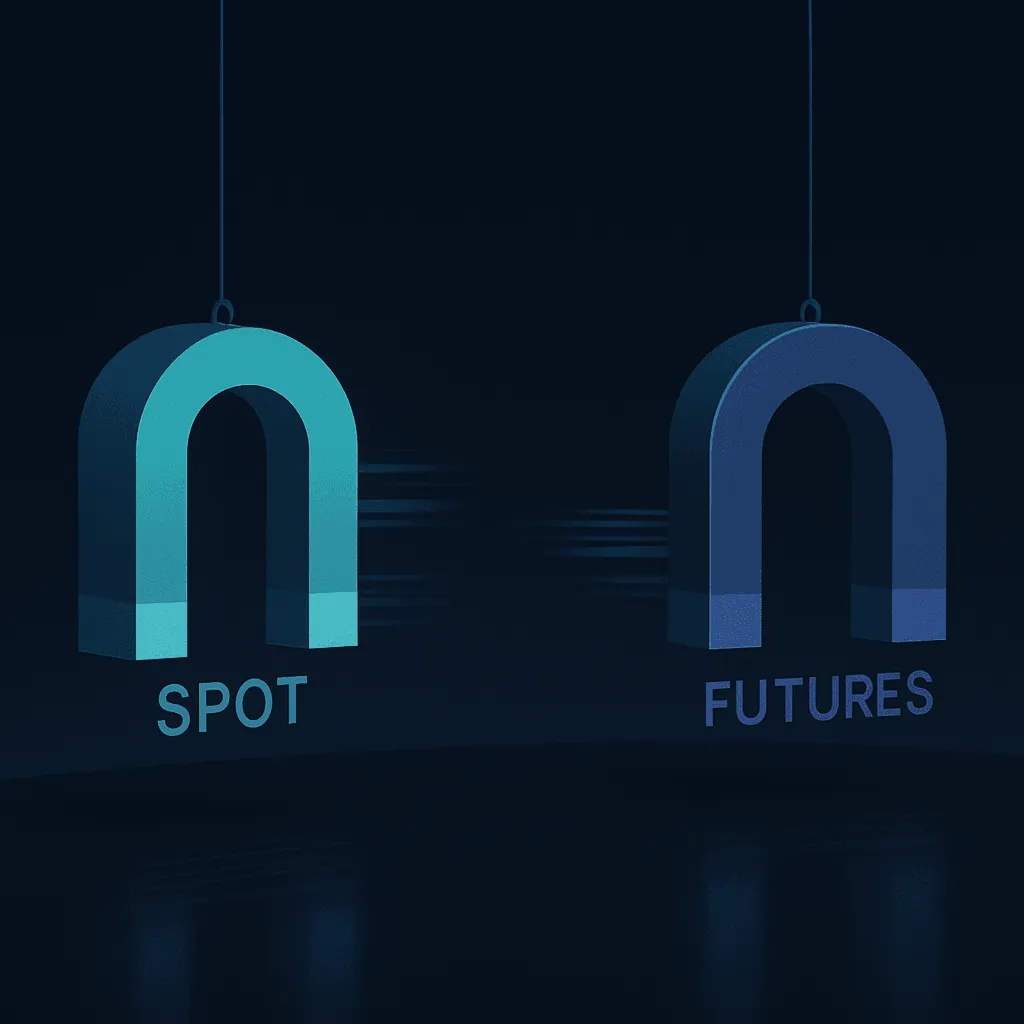
The delta-neutral design is the newest of the three at scale and the most interesting analytically because its failure mode is not a counterparty event or a liquidation cascade but a regime change in a derivative market.
The mechanism, in Ethena’s case, runs as follows. A market maker deposits an accepted asset — staked ETH derivatives, BTC, USDT, or USDC — with the protocol. Ethena allocates the spot collateral to off-exchange settlement custodians (Copper, Ceffu, Fireblocks) and opens a corresponding short perpetual position on a centralized exchange (historically Binance, Bybit, OKX, Deribit, and others). The dollar value of the position is, by construction, invariant to the price of the underlying: a 10% drop in ETH reduces the spot leg by 10% and credits the short leg by approximately 10%. USDe is minted against the resulting dollar-stable basket.
The yield that has made USDe attractive — sUSDe has at times paid double-digit annualized rates — comes from two sources: the staking yield on the spot leg (when the collateral is a staked derivative), and the funding rate paid by longs to shorts on the perpetual venue. In bull markets, perpetual longs systematically pay funding to shorts because retail and leveraged traders demand long exposure. Across most of 2021–2024, BTC and ETH perpetual funding averaged comfortably positive, and Ethena’s strategy effectively monetized that structural imbalance.
The dominant failure mode is a sustained inversion of that funding rate. If shorts are paying longs rather than receiving from them, the yield component flips sign, and the strategy bleeds. This has happened before — extended periods of negative funding occurred in mid-2022 during the post-Terra unwind and at various points during deep bear-market regimes — but it has not happened at the scale USDe now operates at. The question is whether the protocol can absorb a multi-month negative funding period without breaking the peg.
The mechanics of negative funding
A perpetual futures contract has no expiry, so it tracks spot through periodic funding payments between longs and shorts. The funding rate is a function of the basis (perpetual price minus spot) and resets every few hours on most venues. When perpetuals trade at a premium to spot, longs pay shorts; when perpetuals trade at a discount, shorts pay longs.
Negative funding regimes appear when there is more aggressive short demand than long demand at the perpetual venue — typically during sharp drawdowns when leveraged longs have been liquidated and bearish positioning concentrates in perpetuals because the borrow market for spot shorting is constrained. They also appear during specific squeezes in basis trades. Historically, negative funding episodes have been short — days to a few weeks — but they have, in some venues and assets, persisted for longer.
For a delta-neutral synthetic dollar, negative funding is a direct cost. Ethena’s reserve fund — funded from prior positive-funding periods — exists to cover this exact scenario. The publicly disclosed reserve fund has been in the high tens to low hundreds of millions of dollars at various points, sized as a percentage of supply.
What the math looks like
Suppose USDe supply sits at $5B and the weighted average funding rate across Ethena’s hedging venues turns to roughly −10% annualized — a deep but not unprecedented negative regime. The protocol bleeds approximately $5B × 10% = $500M per year, or roughly $1.4M per day, against a reserve fund that has historically been sized in the low hundreds of millions.
At that burn rate, a $200M reserve fund covers something on the order of five months. That is not nothing — five months is enough time for funding to mean-revert, for the protocol to redirect sUSDe yield (paying stakers zero or negative real yields), and for supply to contract through redemptions. But it is also not a permanent backstop. A deeper negative regime — say −20% annualized, which has been observed in narrower windows — halves the runway.
Two design choices materially change this arithmetic. The first is the share of supply held as sUSDe versus unstaked USDe: only sUSDe receives yield, so the protocol can throttle staker yield to zero before it must touch the reserve fund. If most supply is staked, this is a meaningful buffer; if most supply is held unstaked (for use in DeFi integrations as a base asset), it is not. The second is the composition of collateral: BTC and ETH perpetual funding are not perfectly correlated, and stablecoin-margined positions on USDT or USDC accrue no funding cost at all in the same way. A reserve composition that leans more heavily on stablecoin collateral reduces funding sensitivity at the cost of yield in normal regimes.
What actually breaks USDe
A clean failure mode for a delta-neutral synthetic is rarely a single event. It is a sequence in which the funding-cost bleed and a separate stress combine to exhaust the reserve fund and trigger redemptions faster than the protocol can unwind hedges cleanly.
The most plausible sequence runs as follows. Funding inverts and stays negative for a sustained period — say, two months at −15% to −20% annualized. The reserve fund draws down materially. sUSDe yield falls to zero or near-zero, which removes the primary demand driver for holding the staked variant; users unstake and redeem, contracting supply. As supply contracts, the protocol must close short perpetual positions on centralized venues. If those venues are simultaneously stressed — wider bid-ask spreads, reduced market-maker depth, elevated maintenance margin — the unwind itself realizes losses beyond the funding bleed.
A second failure path is venue-specific. Ethena’s hedges sit on a small number of centralized exchanges. A failure, suspension, or insolvency at one of those venues — even with off-exchange settlement custodians holding the collateral — would force a forced unwind of that venue’s portion of the short book at whatever the prevailing price is. Off-exchange settlement reduces but does not eliminate this risk: the collateral is recoverable, but the open short position is not, so the protocol becomes net long during the recovery window.
A third failure path is the staked-collateral leg. If Ethena’s spot leg is heavily weighted toward a liquid staking derivative, and that derivative depegs from underlying ETH (as happened in milder forms with stETH in mid-2022), the spot leg’s dollar value drops faster than the perpetual short can hedge against, because the perpetual references underlying ETH, not the LSD. The basis between the two assets becomes a tracking error that the design does not fully absorb.
Each of these paths is individually manageable. The systemic risk is correlation: a deep bear market is precisely the regime in which funding inverts, centralized venue stress rises, and LSD depegs become more likely, and these would not arrive sequentially.
How the peg actually behaves under stress
A useful distinction: a delta-neutral synthetic does not lose its peg the way an algorithmic stablecoin does (where the peg-defense mechanism itself collapses, as with UST). It loses its peg through a slower process — secondary market price falls below par as redemptions queue, arbitrageurs decline to mint new USDe because the implied yield no longer compensates for tail risk, and the discount widens until the protocol either intervenes via reserve fund deployment or signals a discretionary unwind.
This is closer to a closed-end fund trading at a discount to NAV than to a bank run, but the practical consequence — USDe trading at $0.97 or $0.95 for an extended period — is similar from a user’s perspective. The integrations that treat USDe as par-equivalent collateral (lending markets, looped strategies, structured products) face cascading liquidations even if the underlying protocol remains solvent on a balance-sheet basis.
Circuit breakers: which ones actually bind
The circuit breakers documented for synthetic-dollar designs vary in how much they actually constrain failure versus how much they shift the failure to a different point in the system.
The reserve fund is the first and most direct: it absorbs negative funding directly, with no governance latency. Its constraint is sizing. If the reserve fund is 1–3% of supply and the bleed rate is 10–20% annualized, the fund covers a quarter or two — useful for typical inversions, insufficient for a structural regime change.
Yield throttling on sUSDe is the second. By design, the protocol can pay zero yield to stakers before drawing on the reserve fund, which transfers the cost from the reserve to the stakers as a haircut on expected returns. The constraint here is behavioral: zero yield removes the reason to hold sUSDe over USDC or USDT, and unstaking accelerates redemption pressure exactly when the protocol least wants it. This breaker buys time but at the cost of supply.
Collateral composition rebalancing is the third. The protocol can shift the mix toward stablecoin collateral, which neutralizes funding exposure entirely on that portion of the book. The constraint is execution speed and venue capacity: rebalancing during stress means crossing wider spreads and accepting worse fills. Done preemptively, before stress arrives, it lowers expected yield in normal regimes — a tradeoff governance and stakers may not want to make until it is too late.
Hard redemption gating is the fourth, and it is the most consequential. Most synthetic-dollar designs reserve the right, in extremis, to slow or pause redemptions to prevent forced unwinds at unfavorable prices. This preserves protocol solvency at the direct cost of user trust and of any DeFi integrations that assumed instant redemption. It is the equivalent of a money-market fund gating withdrawals — legally and operationally available, reputationally severe.
What is not a circuit breaker, despite sometimes being described as one, is governance intervention. A multi-day governance vote cannot respond to a multi-hour funding-rate dislocation. Any breaker that depends on a governance signal to fire is, for practical purposes, a post-hoc ratification mechanism rather than a real-time control.
Implications and open questions
The three architectures are not substitutes; they are complements, and the market will likely continue to hold all three in some ratio. Custodial dollars dominate where regulatory clarity and institutional integration matter — settlement, on-ramps, treasury holdings. CDP dollars dominate where censorship resistance and on-chain-native collateral matter — DeFi-native protocols, sovereign-skeptical jurisdictions. Synthetic dollars occupy a third niche: high-yield, capital-efficient, on-chain-redeemable, but conditional on a derivatives-market regime that has been favorable to date.
The open question for the next bear market is not whether USDe and its peers will face stress — they will — but whether the stress is absorbed within designed buffers or whether it propagates through DeFi integrations in a way that the underlying protocol’s solvency does not capture. The history of stablecoin failures suggests that the second-order effects on lending markets, structured products, and looped positions matter at least as much as the first-order question of whether the issuer remains solvent.
Three things are worth watching. First, the size and composition of the reserve fund relative to outstanding supply, and whether disclosure remains real-time enough to support arbitrageur confidence under stress. Second, the share of USDe held as sUSDe versus unstaked, since the staking ratio determines how much yield can be throttled before the reserve fund is touched. Third, the regulatory framing: as US and European stablecoin regulation matures, synthetic-dollar designs sit in a less defined category than custodial dollars, and a regulatory event could compress the design space faster than any market event.
The trilemma framing is useful but not final. A design that combines a custodial reserve buffer with a delta-neutral yield engine, or a CDP that uses delta-neutral collateral as one of its accepted assets, is a plausible direction. We expect the next generation of stablecoin designs to be hybrids that explicitly trade across the three failure surfaces rather than minimizing any single one.
What we do not expect is a design that escapes the trilemma entirely. Every stablecoin issued at scale ultimately rests on a counterparty, a collateral mechanism, or a market regime. The interesting research question is not how to avoid choosing — it is how to build systems that fail gracefully when the chosen surface is the one that gives way.
서론
스테이블코인 섹터는 이제 그 내부 구조가 단순한 기술적 세부사항이 아니라 핵심 과제로 부상하는 임계점을 넘어섰다. 2025년 말 기준 총 공급량은 수천억 달러 중반대에 달하며, **테더(USDT)**와 **서클(USDC)**이 여전히 지배적인 위치를 차지하고, 메이커다오의 DAI / USDS는 크립토 담보 방식 중 가장 큰 설계를 대표하며, 에테나의 USDe는 가장 큰 델타 중립 합성 달러로 성장해 지난 한 해 동안 수십억 달러 규모에서 공급량이 등락을 거듭해 왔다. 이 세 가지 범주는 각각 표면적으로는 동일한 문제(1달러에 페깅된 단위)를 근본적으로 다른 메커니즘으로 해결하며, 각각은 스트레스 상황에서만 드러나는 서로 다른 지배적 실패 방식을 내포하고 있다.
우리는 이를 단순한 비교가 아닌 트릴레마로 본다. 스테이블코인 발행자는 암묵적이든 명시적이든 세 가지 속성 중 하나를 약화시키는 선택을 한다. 검열 저항성(법정화폐 커스터디 방식은 규제받는 주체를 필요로 한다), 자본 효율성(과담보 방식은 발행량보다 더 많은 가치를 잠근다), 모든 시장 국면에서의 안정성(합성 델타 중립 방식은 역사적으로 유지되어 왔으나 보장되지 않는 양(+)의 펀딩비 환경에 의존한다)이 그것이다. 현재 대규모로 운영 중인 설계 중 세 가지를 동시에 충족하는 것은 없다.
이 글은 각 아키텍처의 메커니즘을 살펴보고, 지배적 실패 방식을 특정한 뒤, 가장 실전 검증이 덜 된 사례에 집중한다. 바로 USDe 같은 델타 중립 합성 달러가 장기적인 음(−)의 펀딩비 국면에서 어떻게 되는가이다. 마지막으로, 실제로 작동하는 서킷 브레이커와 실제 청산 연쇄 과정에서는 문서보다 훨씬 취약한 것들을 구분해 살펴본다.
트릴레마, 정밀하게 정의하기
세 가지 아키텍처를 비교하기에 앞서, 각각이 무엇을 최적화하는지를 명확히 해두는 것이 도움이 된다.
스테이블코인은 거래소 전반에서 1달러에 거래되고, 직접적이든 간접적이든 1달러에 가까운 가치로 상환될 수 있으며, 시장 스트레스 속에서도 사용 가능한 토큰을 만들어내야 한다. 세 가지 현행 아키텍처는 이를 서로 다른 방식으로 해결한다.
- 커스터디형 법정화폐 담보 (USDC, USDT, PYUSD, FDUSD): 규제를 받거나 반규제 상태의 발행자가 현금과 단기 미국 국채를 오프체인에 보유하고, 온체인에서 1:1 클레임을 발행한다. 안정성은 액면가 1차 시장 상환에서 비롯된다.
- 크립토 담보 CDP (DAI/USDS, LUSD, GHO): 사용자가 크립토 담보를 스마트 컨트랙트에 예치하고, 100% 미만의 담보 비율로 스테이블코인을 발행하며, 프로토콜이 온체인 청산과 오라클 기반 경매를 통해 시스템 건전성을 유지한다.
- 델타 중립 합성 (USDe, 그리고 역사적으로는 무관한 이유로 실패한 UXD): 발행자가 크립토 자산의 스팟 롱 포지션과 동등한 규모의 영구선물 숏 포지션을 동시에 보유해, 담보의 달러 가치가 기초자산 가격에 무관하도록 만든다. 수익률은 스팟 레그의 스테이킹 수익과 숏 레그의 펀딩비에서 발생한다.
트릴레마는 각 설계가 다른 설계가 보존하는 무언가를 포기한다는 점에 있다. 커스터디형 달러는 검열 저항성을 포기하고 특정 은행 및 규제 체계에 대한 거래상대방 리스크를 도입한다. CDP는 검열 저항성을 보존하지만 과담보를 요구해 자본 효율성을 제한하고, 변동성 급락 시 오라클 및 청산 리스크에 노출된다. 합성 달러는 높은 자본 효율성과 온체인 상환을 달성하지만, 영구선물 펀딩 시장의 기간 구조 전체를 그대로 떠안는다. 이 구조는 평균적으로 양(+)이었지만, 구조적으로 보장된 것은 아니다.
이어지는 내용에서는 각 설계를 순서대로 살펴보며 구체적인 붕괴 메커니즘을 짚는다.
커스터디형 달러: 거래상대방 리스크의 표면
USDC와 USDT는 메커니즘 면에서 셋 중 가장 단순하다. 서클과 테더는 각각 단기 미국 국채, 레포, 현금을 주로 구성한 준비금을 보유하고 주기적으로 증명서를 발행한다. 1차 시장 계정을 보유한 마켓 메이커는 액면가로 발행과 상환이 가능하며, 이는 차익거래를 통해 2차 시장 가격을 1달러에 긴밀하게 묶어둔다.
여기서 지배적 실패 방식은 알고리즘적이 아니라 제도적이다. 이 시스템은 세 가지 외부 주체가 동시에 기능하고 협력하는 데 의존한다. 법정화폐 예금을 보유한 은행 파트너, 국채 포트폴리오를 보유한 커스터디언, 그리고 발행자가 운영하는 규제 체계가 그것이다. 2023년 3월 USDC 디페깅은 그 대표 사례다. 서클이 약 33억 달러의 준비금을 실리콘밸리은행(SVB)에 예치했다는 사실이 밝혀지면서, USDC는 2차 시장에서 한때 약 0.88달러까지 하락했다. 이후 미 연방 당국이 비보험 예금을 보증하면서 며칠 만에 페그가 회복되었다.
트릴레마 관점에서 두 가지 관찰이 중요하다. 첫째, 이 디페깅은 온체인 메커니즘이 전혀 완화할 수 없었던 비크립토 사건, 즉 미국 지역 은행 파산으로 촉발되었다. 둘째, 회복은 미국 규제 당국의 재량적 정책 결정에 의존했지 프로그래매틱한 안전장치가 아니었다. 따라서 커스터디형 스테이블코인의 꼬리 리스크는 국가 및 은행 시스템 리스크와 상관관계에 있는데, 이는 토큰화된 달러를 보유함으로써 피하려 한다고 여겨지는 바로 그 리스크다.
USDT는 구성이 다를 뿐 구조적으로 유사한 리스크를 내포한다. 테더는 국채 외에도 담보 대출, 귀금속, 기타 크립토를 포함한 더 다양한 준비금 구성을 공개해 왔다. 증명 주기와 거래상대방 공개의 세부 수준은 서클에 비해 낮다. 결과적으로 USDT의 지배적 실패 방식은 SVB 유형의 은행 파트너 실패가 아니라, 준비금 구성이 논란이 되는 시기에 신뢰 기반 대규모 상환 런이다. 페그는 여러 차례 그런 국면을 버텨왔지만, 실패 방식의 범주는 동일하다. 프로토콜 리스크가 아닌 거래상대방 및 공개 리스크다.
CDP 스테이블코인: 청산 표면
메이커다오가 선구적으로 개척하고 이제 LUSD, GHO, crvUSD 등으로 확장된 CDP 모델은 실패 표면을 오프체인 거래상대방에서 온체인 메커니즘으로 옮긴다. 사용자가 담보(과거에는 ETH, 오늘날에는 실물자산(RWA)과 다른 스테이블코인까지)를 예치하면, 프로토콜은 담보 비율 100% 이상을 유지하며 스테이블코인을 발행하고, 가격 오라클과 청산 엔진이 담보 가치 하락 시 시스템 건전성을 지킨다.
지배적 실패 방식은 급격한 하락 시 오라클 지연과 청산 처리량의 결합된 작동이다. 2020년 3월 12일 ‘블랙 목요일’은 교과서적 사례로 남아 있다. ETH가 24시간 만에 약 50% 하락하고, 이더리움 가스 시장이 담보 보충을 시도하는 사용자들로 혼잡해졌으며, 메이커다오의 오라클 업데이트가 현물 시장을 따라가지 못했고, 경매 메커니즘은 일부 키퍼들이 제때 트랜잭션을 처리하지 못해 zero-DAI 입찰로 담보를 낙찰받는 상황을 허용했다. 프로토콜은 수백만 달러의 적자를 입었고, 이후 MKR 희석 경매로 충당했다.
현행 CDP 설계에 내재된 교훈들은 그 사건에서 직접 도출된 것이다. 현대적 시스템은 지연 버퍼를 갖춘 복수의 오라클 소스, 혼잡 상황에서도 키퍼 참여를 보장할 수 있도록 설계된 청산 인센티브, 그리고 소규모 손실을 토큰 희석 없이 흡수하는 잉여 버퍼를 사용한다. LUSD의 설계는 스테빌리티 풀을 추가해 청산을 사전 자금 조달함으로써 실시간 키퍼 입찰에 대한 의존을 제거한다. crvUSD의 LLAMMA는 개별 청산을 지속적인 AMM 방식의 소프트 청산 곡선으로 대체한다.
이러한 개선에도 두 가지 구조적 리스크는 남아 있다. 첫째는 담보 상관관계다. 주요 담보 자산이 리퀴드 스테이킹 토큰이나 기초 거래 기반 자산과 같이 수익률이 붙은 파생상품인 경우, 그 디페깅이나 언와인딩은 시장 스트레스가 가장 심할 때의 청산과 동시에 상관관계를 가진다. 둘째는 파라미터 설정에 대한 거버넌스 리스크다. 안정화 수수료, 부채 한도, 오라클 화이트리스트는 모두 거버넌스 결정이며, 거버넌스의 반응 속도는 며칠 단위인 반면 시장 스트레스는 시간 단위로 움직인다. CDP 스테이블코인은 커스터디형 달러를 무너뜨리는 것들에는 강하지만, 그 견고함의 대가로 자본 잠금과 제거되지 않고 더 잘 관리될 뿐인 특정 연쇄 리스크를 떠안는다.
델타 중립 합성: 펀딩 표면
델타 중립 설계는 대규모로 운영되는 셋 중 가장 최신이자, 분석적으로 가장 흥미롭다. 그 실패 방식이 거래상대방 사건도, 청산 연쇄도 아닌, 파생상품 시장의 레짐 전환이기 때문이다.
에테나의 경우 메커니즘은 다음과 같다. 마켓 메이커가 스테이킹된 ETH 파생상품, BTC, USDT, 혹은 USDC를 프로토콜에 예치한다. 에테나는 스팟 담보를 오프체인 결제 커스터디언(Copper, Ceffu, Fireblocks)에 배분하고, 중앙화 거래소(Binance, Bybit, OKX, Deribit 등)에서 상응하는 영구선물 숏 포지션을 오픈한다. 포지션의 달러 가치는 구조적으로 기초자산 가격에 무관하다. ETH가 10% 하락하면 스팟 레그는 10% 감소하고 숏 레그는 약 10%를 적립한다. USDe는 이렇게 만들어진 달러 안정 바스켓을 담보로 발행된다.
USDe를 매력적으로 만들었던 수익률 — sUSDe는 때때로 연환산 두 자릿수 수익률을 제공하기도 했다 — 은 두 가지 원천에서 나온다. 담보가 스테이킹 파생상품일 때 스팟 레그의 스테이킹 수익률과, 영구선물 거래소에서 숏에게 지급되는 펀딩비가 그것이다. 불장에서는 소매 및 레버리지 트레이더들이 롱 포지션을 원하기 때문에 영구선물 롱이 체계적으로 숏에게 펀딩비를 지급한다. 2021년부터 2024년까지 대부분의 기간 동안 BTC와 ETH 영구선물 펀딩비는 안정적으로 양(+)을 유지했고, 에테나의 전략은 이 구조적 불균형을 효과적으로 수익화했다.
지배적 실패 방식은 이 펀딩비가 지속적으로 역전되는 것이다. 숏이 롱에게 펀딩비를 받지 않고 오히려 지불해야 하면, 수익률 성분의 부호가 뒤집혀 전략이 손실을 낸다. 이런 일은 이미 있었다 — 테라 붕괴 이후인 2022년 중반과 깊은 약세장 국면에서 음(−)의 펀딩비가 연장 지속되었다 — 하지만 USDe가 현재 운영하는 규모에서 발생한 적은 없다. 핵심 질문은 프로토콜이 수개월에 걸친 음의 펀딩비 국면을 페그를 유지하며 버텨낼 수 있느냐다.
음의 펀딩비 메커니즘
영구선물 계약은 만기가 없기 때문에 롱과 숏 사이의 주기적 펀딩 지급을 통해 현물을 추적한다. 펀딩비는 베이시스(영구선물 가격 - 현물 가격)의 함수이며 대부분의 거래소에서 몇 시간마다 리셋된다. 영구선물이 현물보다 프리미엄에 거래되면 롱이 숏에게 지급하고, 현물보다 디스카운트에 거래되면 숏이 롱에게 지급한다.
음의 펀딩비 국면은 영구선물 거래소에서 롱 수요보다 숏 수요가 더 공격적일 때 나타난다. 보통 레버리지 롱이 청산되고 현물 숏의 대차 시장이 제한되어 영구선물에 약세 포지션이 집중되는 급락 시기에 발생한다. 기초 거래의 특정 스퀴즈 상황에서도 나타난다. 역사적으로 음의 펀딩비 에피소드는 짧았다 — 며칠에서 몇 주 — 하지만 일부 거래소와 자산에서는 더 길게 지속된 사례도 있었다.
델타 중립 합성 달러에게 음의 펀딩비는 직접적인 비용이다. 에테나의 적립금 — 과거 양(+)의 펀딩비 기간에 적립된 — 은 정확히 이 시나리오를 커버하기 위해 존재한다. 공개된 적립금은 시기에 따라 수억 달러 수준으로 공급량 대비 일정 비율로 책정되어 있다.
수치로 보면
USDe 공급량이 50억 달러이고 에테나의 헤징 거래소 전반의 가중 평균 펀딩비가 연환산 약 −10%의 깊은 하락 국면으로 전환된다고 가정하면, 프로토콜은 연간 약 50억 달러 × 10% = 5억 달러, 즉 하루 약 140만 달러를 소진한다. 이를 역사적으로 수억 달러 초반대로 책정된 적립금과 비교해야 한다.
이 소진 속도에서 2억 달러의 적립금은 약 5개월을 버틸 수 있다. 적지 않다 — 5개월이면 펀딩비가 평균 회귀할 수도 있고, 프로토콜이 sUSDe 수익률을 제로 혹은 마이너스 실질 수익률로 낮출 수도 있으며, 상환을 통해 공급량이 줄어들 수도 있다. 하지만 영구적인 안전장치도 아니다. 더 깊은 음의 국면 — 연환산 −20%, 좁은 구간에서 실제로 관측된 바 있는 — 이 되면 런웨이는 절반으로 줄어든다.
두 가지 설계 선택이 이 계산을 실질적으로 바꾼다. 첫째는 sUSDe 대 언스테이킹 USDe의 공급 비율이다. sUSDe만 수익률을 받으므로, 프로토콜은 적립금에 손을 대기 전에 스테이커 수익률을 제로로 낮출 수 있다. 공급의 대부분이 스테이킹되어 있다면 이는 의미 있는 버퍼가 되지만, 대부분이 DeFi 통합의 기본 자산으로 언스테이킹 상태로 보유된다면 그렇지 않다. 둘째는 담보 구성이다. BTC와 ETH 영구선물 펀딩비는 완전히 상관관계에 있지 않으며, USDT나 USDC로 마진된 포지션은 동일한 방식의 펀딩 비용이 발생하지 않는다. 스테이블코인 담보에 더 비중을 둔 준비금 구성은 정상 국면에서의 수익률을 희생하는 대가로 펀딩 민감도를 낮춘다.
USDe가 실제로 무너지는 방식
델타 중립 합성의 깔끔한 실패 시나리오는 단일 사건이 아닌 경우가 많다. 펀딩 비용 소진과 별도의 스트레스가 결합되어 적립금을 고갈시키고, 프로토콜이 깔끔하게 헤지를 언와인딩하기도 전에 상환이 쏟아지는 연쇄다.
가장 개연성 있는 시나리오는 다음과 같다. 펀딩이 역전되어 연환산 −15%에서 −20% 수준으로 지속된다 — 약 두 달. 적립금이 실질적으로 감소한다. sUSDe 수익률이 제로 혹은 근접 수준으로 떨어지면, 스테이킹 변형을 보유할 주된 수요 동인이 사라진다. 사용자들이 언스테이킹하고 상환하면서 공급량이 줄어든다. 공급량이 줄면서 프로토콜은 중앙화 거래소에서 영구선물 숏 포지션을 청산해야 한다. 그 거래소들이 동시에 스트레스 상태라면 — 스프레드 확대, 마켓 메이커 뎁스 감소, 유지증거금 상승 — 언와인딩 자체가 펀딩 소진을 넘어서는 추가 손실을 실현한다.
두 번째 실패 경로는 거래소 특정적이다. 에테나의 헤지는 소수의 중앙화 거래소에 집중되어 있다. 해당 거래소 중 하나가 실패, 중단, 또는 파산하면 — 오프체인 결제 커스터디언이 담보를 보유하고 있더라도 — 해당 거래소의 숏 북 일부를 당시 시장 가격으로 강제 청산해야 한다. 오프체인 결제는 이 리스크를 줄이지만 제거하지는 못한다. 담보는 회수할 수 있지만 오픈 숏 포지션은 그렇지 않아, 회복 기간 동안 프로토콜이 순 롱 상태가 된다.
세 번째 실패 경로는 스테이킹 담보 레그다. 에테나의 스팟 레그가 리퀴드 스테이킹 파생상품에 크게 기울어져 있고, 그 파생상품이 기초 ETH에서 디페깅된다면(2022년 중반 stETH에서 더 약한 형태로 발생했듯이), 영구선물 숏이 이를 헤지할 수 없는 속도로 스팟 레그의 달러 가치가 하락한다. 영구선물은 기초 ETH를 참조하지 LSD를 참조하지 않기 때문이다. 두 자산 사이의 베이시스는 설계가 완전히 흡수하지 못하는 추적 오차가 된다.
이 경로들 각각은 개별적으로 관리 가능하다. 시스템 리스크는 상관관계에 있다. 깊은 약세장이 정확히 펀딩이 역전되고, 중앙화 거래소 스트레스가 증가하며, LSD 디페깅 가능성이 높아지는 국면이며, 이것들은 순차적으로 오지 않을 것이다.
스트레스 상황에서 페그가 실제로 어떻게 작동하는가
유용한 구분이 있다. 델타 중립 합성은 알고리즘 스테이블코인처럼 페그를 잃지 않는다(UST처럼 페그 방어 메커니즘 자체가 붕괴되는 방식). 더 느린 과정을 통해 페그를 잃는다 — 상환 대기열이 쌓이면서 2차 시장 가격이 액면가 아래로 내려가고, 차익거래자들이 꼬리 리스크를 감당할 만큼의 수익이 없다고 판단해 신규 USDe 발행을 거부하며, 프로토콜이 적립금 투입이나 재량적 언와인딩 신호를 보내기 전까지 디스카운트가 확대된다.
이는 은행 런보다는 NAV 대비 디스카운트로 거래되는 클로즈드엔드 펀드에 가깝지만, USDe가 0.97달러나 0.95달러로 장기간 거래된다는 실제 결과는 사용자 관점에서 유사하다. USDe를 등가 담보로 취급하는 통합(대출 시장, 루프 전략, 구조화 상품)은 기초 프로토콜이 대차대조표상 건전하더라도 연쇄 청산에 직면한다.
서킷 브레이커: 실제로 작동하는 것들
합성 달러 설계에 명시된 서킷 브레이커들은 실패를 얼마나 실질적으로 억제하는지 대 시스템 내 다른 지점으로 실패를 이전하는지에 따라 효과가 다르다.
적립금은 첫 번째이자 가장 직접적인 수단이다. 거버넌스 지연 없이 음의 펀딩비를 직접 흡수한다. 제약은 규모다. 적립금이 공급량 대비 13%이고 소진 속도가 연환산 1020%라면, 몇 분기를 버틸 수 있다 — 일반적인 역전에는 유용하지만, 구조적 레짐 변화에는 불충분하다.
sUSDe의 수익률 조절은 두 번째다. 설계상 프로토콜은 적립금에 손을 대기 전에 스테이커에게 제로 수익률을 지급할 수 있으며, 이는 비용을 적립금에서 스테이커의 기대 수익 감소로 전가한다. 제약은 행동적이다. 제로 수익률은 USDC나 USDT 대비 sUSDe를 보유할 이유를 제거하고, 언스테이킹이 프로토콜이 가장 원치 않는 시점에 정확히 상환 압력을 가속화한다. 이 브레이커는 시간을 벌지만 공급량을 희생하는 대가다.
담보 구성 리밸런싱이 세 번째다. 프로토콜은 스테이블코인 담보 비중을 높여 그 부분의 펀딩 노출을 완전히 중화할 수 있다. 제약은 실행 속도와 거래소 수용 능력이다. 스트레스 상황에서 리밸런싱은 스프레드가 넓어진 상황에서 거래해야 함을 의미한다. 스트레스 이전에 선제적으로 실행하면 정상 국면에서의 기대 수익률이 낮아지는데, 이는 때가 너무 늦기 전에는 거버넌스와 스테이커들이 원하지 않을 트레이드오프다.
하드 상환 게이팅이 네 번째이자 가장 결정적이다. 대부분의 합성 달러 설계는 극단적인 상황에서 불리한 가격에 강제 언와인딩을 막기 위해 상환을 늦추거나 중단할 권리를 유보하고 있다. 이는 프로토콜 건전성을 사용자 신뢰와 즉각 상환을 전제로 한 DeFi 통합의 직접적인 희생을 대가로 보존한다. 머니마켓 펀드의 인출 게이팅과 유사하다 — 법적·운영적으로는 가능하지만 평판에는 치명적이다.
서킷 브레이커로 묘사되지만 실제로는 아닌 것이 있다. 바로 거버넌스 개입이다. 수일에 걸친 거버넌스 투표는 수시간 단위의 펀딩비 혼란에 대응할 수 없다. 거버넌스 신호에 의존하는 어떤 브레이커도, 실용적 목적에서, 실시간 제어 수단이 아니라 사후 추인 메커니즘이다.
시사점과 열린 질문들
세 가지 아키텍처는 대체재가 아니라 보완재이며, 시장은 앞으로도 셋 모두를 일정 비율로 보유할 가능성이 높다. 커스터디형 달러는 규제 명확성과 기관 통합이 중요한 곳 — 결제, 온램프, 재무부 보유 — 에서 지배적이다. CDP 달러는 검열 저항성과 온체인 네이티브 담보가 중요한 곳 — DeFi 네이티브 프로토콜, 국가 회의적 지역 — 에서 지배적이다. 합성 달러는 세 번째 니치를 차지한다. 고수익률, 높은 자본 효율성, 온체인 상환 가능하지만, 지금까지는 유리했으나 파생상품 시장 레짐에 조건부인 설계다.
다음 약세장의 열린 질문은 USDe와 그 동류들이 스트레스를 받을지 여부가 아니다 — 분명히 받을 것이다 — 스트레스가 설계된 버퍼 내에서 흡수될지, 아니면 기초 프로토콜의 건전성이 포착하지 못하는 방식으로 DeFi 통합을 통해 전파될지가 문제다. 스테이블코인 실패의 역사는 발행자의 건전성이라는 1차적 질문만큼이나, 대출 시장, 구조화 상품, 루프 포지션에 대한 2차 효과가 최소한 그만큼 중요함을 시사한다.
세 가지 사항을 주목할 필요가 있다. 첫째, 공급량 대비 적립금의 규모와 구성, 그리고 스트레스 상황에서 차익거래자의 신뢰를 지지할 만큼 공개가 충분히 실시간인지 여부. 둘째, sUSDe 대 언스테이킹 USDe의 비율. 스테이킹 비율이 적립금에 손대기 전에 수익률을 얼마나 조절할 수 있는지를 결정한다. 셋째, 규제 프레이밍. 미국과 유럽의 스테이블코인 규제가 성숙해지면서 합성 달러 설계는 커스터디형 달러보다 덜 정의된 범주에 놓여 있으며, 규제 사건이 어떤 시장 사건보다도 빠르게 설계 공간을 압축할 수 있다.
트릴레마 프레임은 유용하지만 최종적이지 않다. 커스터디형 준비금 버퍼와 델타 중립 수익 엔진을 결합하거나, 델타 중립 담보를 허용 자산 중 하나로 사용하는 CDP는 그럴듯한 방향이다. 다음 세대 스테이블코인 설계는 세 가지 실패 표면 중 하나를 최소화하는 대신, 세 가지 전반에 걸쳐 명시적으로 트레이드오프를 조율하는 하이브리드가 될 것으로 예상한다.
트릴레마를 완전히 벗어나는 설계가 나오리라고는 기대하지 않는다. 대규모로 발행되는 모든 스테이블코인은 결국 거래상대방, 담보 메커니즘, 또는 시장 레짐 위에 서 있다. 흥미로운 연구 질문은 어떻게 선택을 피하느냐가 아니라, 선택한 표면이 무너졌을 때 품위 있게 실패하는 시스템을 어떻게 구축하느냐다.
はじめに
ステーブルコインセクターは、その内部アーキテクチャがインフラの細部ではなく第一義的な問いとなる閾値をすでに超えている。2025年末時点で総供給量は数千億ドル中盤に達しており、**Tether(USDT)とCircle(USDC)**が依然として市場を支配し、MakerDAOのDAI/USDSが最大の暗号資産担保型設計を代表し、EthenaのUSDeはデルタニュートラル型合成ドルとして最大規模に成長し、過去一年間で供給量が数十億ドル規模で変動してきた。これら三つのカテゴリーはいずれも同じ表面上の問題(1米ドルにペッグされた単位)を解こうとしているが、用いる仕組みは根本的に異なり、それぞれがストレス下でしか見えてこない異なる支配的な失敗モードを抱えている。
我々はこれを単純な比較ではなくトリレンマとして捉えている。ステーブルコイン発行者は、暗黙的にせよ明示的にせよ、三つの性質のうちどれを犠牲にするかを選択している。すなわち、検閲耐性(カストディアル型法定通貨リザーブは規制された主体を必要とする)、資本効率(過担保型暗号資産担保設計は発行量を上回る価値をロックする)、そしてあらゆる市場環境における安定性(合成型デルタニュートラル設計は、歴史的にはプラスを維持してきたが保証されているわけではない資金調達率環境に依存する)である。現時点で大規模に稼働している設計で、この三つを同時に満たすものは存在しない。
本稿では各アーキテクチャの仕組みを解説し、それぞれの支配的な失敗モードを特定したうえで、最も実戦テストが少ないケース——すなわち、長期的なマイナス資金調達率環境下でUSDEのようなデルタニュートラル型合成ドルに何が起きるか——に焦点を当てる。最後に、実際に機能するサーキットブレーカーと、ドキュメント上は体裁が良いが実際の清算カスケードでは機能しないものとを区別して論じる。
トリレンマの厳密な定義
三つのアーキテクチャを比較する前に、それぞれが何を最適化しているかを明確にしておく必要がある。
ステーブルコインは、取引所間で1ドルで取引され、1ドル相当の価値と近似したもので(直接的または間接的に)償還可能であり、市場ストレス時にも使い続けられるトークンを提供しなければならない。三つの現行アーキテクチャはこれをそれぞれ異なる方法で実現する。
- カストディアル法定担保型(USDC、USDT、PYUSD、FDUSD):規制を受けた、あるいは半規制状態の発行者がオフチェーンで現金および短期米国債のリザーブを保有し、オンチェーンで1対1の請求権をミントする。安定性はパリティでの一次市場償還から生まれる。
- 暗号資産担保型CDP(DAI/USDS、LUSD、GHO):ユーザーがスマートコントラクトに暗号資産担保をロックし、100%未満のローン・トゥ・バリュー比率でステーブルコインをミントする。プロトコルはオンチェーン清算とオラクル価格入札を用いてシステムの支払い能力を維持する。
- デルタニュートラル型合成(USDe、および無関係な理由で失敗する前のUXD):発行者が暗号資産のロングスポットポジションと同等のショートパーペチュアル先物ポジションを保有することで、担保のネットドル価値を原資産価格の変動に対して不変にする。利回りはスポットレッグのステーキングとショートレッグの資金調達率支払いから生まれる。
トリレンマの本質は、各設計が他の設計が保持するものを何かしら犠牲にしている点にある。カストディアル型ドルは検閲耐性を犠牲にし、特定の銀行・規制スタックに対するカウンターパーティリスクを導入する。CDPは検閲耐性を保持するが過担保を必要とするため、資本効率に上限が生じ、急激な下落時にはオラクルリスクと清算リスクにさらされる。合成型ドルは高い資本効率とオンチェーン償還を実現するが、パーペチュアル資金調達市場の全期間構造を引き受ける——その構造は平均的にはプラスであったが、構造的に保証されているわけではない。
以降では各設計を順に検討し、それが崩壊するに至る具体的なメカニズムを特定する。
カストディアル型ドル:カウンターパーティの表面
USDCとUSDTは、仕組みとしては三者の中で最もシンプルである。CircleとTetherはいずれも主として短期米国債、レポ、現金で構成されるリザーブを維持し、定期的に証明書を公表している。一次市場のアカウントを持つマーケットメーカーはパリティでのミントと償還が可能であり、裁定取引を通じて二次市場価格は1ドルに緊密に維持される。
ここでの支配的な失敗モードはアルゴリズム的なものではなく、制度的なものだ。このシステムは三つの外部当事者が同時に機能し協力し続けることを前提としている。すなわち、法定通貨預金を保有する銀行パートナー、国債ポートフォリオを保有するカストディアン、そして発行者が事業を行う規制体制である。2023年3月のUSDCのデペッグ——Circleがリザーブの約33億ドルが経営破綻したSilicon Valley Bankに預け入れられていたことを開示した際——はその典型例だ。連邦政府が無保険預金を保証するまでの間、二次市場でUSDCは約0.88ドルまで下落し、その後数日でペッグが回復した。
このトリレンマの文脈で重要な観察が二つある。第一に、デペッグはオンチェーンのメカニズムでは何も緩和できなかった非暗号資産イベント——米国地方銀行の経営破綻——によって引き起こされた。第二に、回復は米国の規制当局による裁量的な政策決定に依存しており、プログラム的なバックストップではなかった。したがって、カストディアル型ステーブルコインのテールリスクは主権リスクおよび銀行システムリスクと相関している——これはまさに、多くのユーザーがトークン化されたドルを保有することで回避できると考えているリスクである。
USDTは構造的に類似したリスクを異なる構成で抱えている。Tetherは国債に加え、担保付きローン、貴金属、その他の暗号資産を含む歴史的にある程度多様化したリザーブミックスを開示している。証明の頻度とカウンターパーティの開示はCircleよりも詳細さに欠ける。その結果、USDTの支配的な失敗モードはSVB型の銀行パートナー破綻ではなく、リザーブ構成が問われる局面での信頼失墜による取り付け的な償還ラッシュとなる。ペッグはそうした局面をいくつか乗り越えてきたが、失敗モードは同じカテゴリーに属する。すなわち、プロトコルリスクではなく、カウンターパーティリスクと開示リスクである。
CDP型ステーブルコイン:清算の表面
CDPモデル——MakerDAOが先駆けとなり、現在はLUSD、GHO、crvUSDなどに拡張されている——は、失敗の表面をオフチェーンのカウンターパーティからオンチェーンのメカニズムに移し替える。ユーザーが担保(歴史的にはETH、現在は実世界資産RWAや他のステーブルコインの比率が増加している)を預け入れ、プロトコルが100%超の担保比率でステーブルコインをミントし、価格オラクルと清算エンジンが担保価値の下落時にシステムの支払い能力を維持する。
支配的な失敗モードは、急速な下落局面におけるオラクルの遅延と清算スループットの複合的な挙動である。2020年3月12日のブラックサーズデーがその教科書的な事例だ。ETHが24時間で約50%下落し、イーサリアムのガス市場がユーザーの担保積み増しで混雑し、MakerDAOのオラクル更新がスポット市場に遅れを取り、入札メカニズムでは他のキーパーが時間内にトランザクションを処理できなかったため、一部のキーパーがゼロDAI入札で担保オークションを落札するという事態が生じた。プロトコルは数百万ドル規模の不足額を被り、その後MKRの希薄化オークションで補填された。
現在のCDP設計に組み込まれた教訓はこのエピソードに直接由来する。現代的なシステムは遅延バッファを持つ複数のオラクルソース、混雑下でもキーパーの参加を確保するための清算インセンティブ、そしてトークン希薄化を起こすことなく小規模の不足を吸収するサープラスバッファを採用している。LUSDの設計はスタビリティプールを追加し、清算資金をあらかじめ確保することでリアルタイムのキーパー入札への依存を排除している。crvUSDのLLAMMAは離散的な清算を連続的なAMMスタイルのソフト清算カーブに置き換えている。
これらの改良を経ても、二つの構造的リスクが残る。第一は担保の相関リスクだ。支配的な担保資産が利回りを生むリステーキング派生物——たとえばリキッドステーキングトークンや基底取引に裏付けられた資産——である場合、そのデペッグやアンワインドは、清算が最も逼迫するタイミングと重なって広範な市場ストレスと相関する。第二はパラメータ設定に関するガバナンスリスクだ。安定化手数料、負債上限、オラクルホワイトリストはガバナンス上の決定事項であり、ガバナンスの応答時間は日単位で測られるのに対し、市場のストレスは時間単位で進行する。CDP型ステーブルコインはカストディアル型ドルを殺すような事態の大半に対して頑健だが、その頑健性の代償として資本のロックアップと、排除されたわけではなくより適切に管理されるようになっただけの特定のカスケードリスクを支払っている。
デルタニュートラル型合成:資金調達の表面
デルタニュートラル型設計は三者の中で大規模に展開された最も新しい設計であり、その失敗モードがカウンターパーティイベントでも清算カスケードでもなく、デリバティブ市場における体制変化である点で最も分析的に興味深い。
Ethenaの場合、仕組みは次のように機能する。マーケットメーカーがステーキングETHデリバティブ、BTC、USDT、USDCといった受け入れ資産をプロトコルに預け入れる。Ethenaはスポット担保をオフエクスチェンジ決済カストディアン(Copper、Ceffu、Fireblocks)に配分し、中央集権型取引所(主にBinance、Bybit、OKX、Deribitなど)で対応するショートパーペチュアルポジションを開く。ポジションのドル価値は構造的に原資産価格の変動に対して不変だ。ETHが10%下落すればスポットレッグが10%減少し、ショートレッグが約10%の利益を生む。USDEはこの結果として生まれるドル安定バスケットに対してミントされる。
USDEを魅力的なものにしてきた利回り——sUSDEは年率二桁の利回りを記録したこともある——は二つの源泉から生まれる。スポットレッグのステーキング利回り(担保がステーキング派生物の場合)と、パーペチュアル取引所でのショートポジションへの資金調達率支払いである。強気相場では、小売および高レバレッジのトレーダーがロングエクスポージャーを求めるため、パーペチュアルのロングが体系的にショートへ資金調達率を支払う。2021年から2024年の大半において、BTCとETHのパーペチュアル資金調達率は安定してプラスで推移し、Ethenaの戦略はその構造的な不均衡を効果的に収益化してきた。
支配的な失敗モードは、その資金調達率の持続的な逆転だ。ショートがロングから受け取るのではなくロングに支払う状態になれば、利回りの符号が反転し、戦略は損失を垂れ流す。これは過去にも発生している——2022年中盤のTerra崩壊後のアンワインドや深いベア相場の局面では長期間のマイナス資金調達率が観察された——が、USDEが現在の規模で運営されている状態では発生したことがない。問題はプロトコルが複数月にわたるマイナス資金調達率環境を、ペッグを崩さずに吸収できるかどうかだ。
マイナス資金調達率のメカニズム
パーペチュアル先物には満期がないため、ロングとショートの間の定期的な資金調達率支払いを通じてスポットを追跡する。資金調達率はベーシス(パーペチュアル価格マイナススポット価格)の関数であり、ほとんどの取引所で数時間ごとにリセットされる。パーペチュアルがスポットに対してプレミアムで取引される場合、ロングがショートに支払い、ディスカウントで取引される場合は、ショートがロングに支払う。
マイナス資金調達率の局面は、パーペチュアル取引所でロング需要よりもアグレッシブなショート需要が生じたときに現れる——典型的には急激な下落局面でレバレッジロングが清算され、スポットの空売りの借入市場が制約されているためにベアなポジショニングがパーペチュアルに集中する場面だ。また、基底取引のスクイーズが特定の局面で発生する場合にも現れる。歴史的に、マイナス資金調達率のエピソードは短期間——数日から数週間——にとどまるが、特定の取引所と資産では長期化したケースもある。
デルタニュートラル型合成ドルにとって、マイナス資金調達率は直接的なコストだ。以前のプラス資金調達率の局面から積み立てられたEthenaのリザーブファンドは、まさにこのシナリオに対応するために存在する。公開されているリザーブファンドは供給量に対するパーセンテージとして規模が設定されており、さまざまな時点で数千万ドルから低数億ドル規模に達していた。
数学的に見るとどうなるか
USDEの供給量が50億ドルで、Ethenaのヘッジ取引所全体の加重平均資金調達率が年率約−10%という深いがこれまでに前例のないわけではないマイナス局面に転じたとする。プロトコルは年間約50億ドル×10%=5億ドル、つまり1日当たり約140万ドルを出血し続け、これに対してリザーブファンドはこれまで歴史的に低数億ドル規模で維持されてきた。
その消耗ペースでは、2億ドルのリザーブファンドは5か月程度持ちこたえる計算になる。これは決して短くはない——5か月は資金調達率が平均回帰するには十分であり、プロトコルがsUSDEの利回りをゼロまたはマイナスに引き下げ、供給が償還を通じて収縮するには十分な時間だ。だがそれも永続的なバックストップではない。より深いマイナス局面——年率−20%、これは短期間では観察されている——であれば滑走路は半分になる。
この計算を大きく左右する設計上の選択が二つある。第一はsUSDEとアンステーキングされたUSDEとして保有される供給の比率だ。利回りを受け取るのはsUSDEのみであるため、プロトコルはリザーブファンドに手を付ける前にステーカーへの利回りをゼロに絞ることができる。供給の大半がステーキングされていれば、これは意味のあるバッファとなるが、大半がアンステーキング状態で保有されている場合(DeFi統合でベース資産として使用される場合など)はそうではない。第二は担保の構成だ。BTCとETHのパーペチュアル資金調達率は完全には相関しておらず、USDTやUSDCで証拠金設定されたポジションはそもそも同じ形での資金調達コストを発生させない。ステーブルコイン担保への比重を高めたリザーブ構成は、通常時の利回りを犠牲にする代わりに資金調達率感応度を下げる。
USDEを実際に壊すもの
デルタニュートラル型合成ドルのクリーンな失敗モードは、単一のイベントであることはまれだ。それは資金調達コストの出血と別個のストレスが組み合わさり、リザーブファンドを枯渇させ、プロトコルがヘッジをきれいにアンワインドするよりも速く償還を引き起こす一連の連鎖だ。
最もあり得るシナリオは次のように展開する。資金調達率が逆転し、例えば年率−15%から−20%で2か月ほど持続する。リザーブファンドが大幅に取り崩される。sUSDEの利回りがゼロかそれに近い水準まで低下し、ステーキング変種を保有する主要な需要ドライバーが失われる。ユーザーはアンステーキングして償還し、供給が収縮する。供給が収縮するにつれ、プロトコルは中央集権型取引所でショートパーペチュアルポジションを解消しなければならない。それらの取引所が同時にストレス下にある場合——より広いビッドアスクスプレッド、マーケットメーカーの深度低下、維持証拠金の引き上げ——アンワインド自体が資金調達の出血を超えた損失を実現させる。
第二の失敗経路は取引所固有のものだ。Ethenaのヘッジは少数の中央集権型取引所に集中している。オフエクスチェンジ決済カストディアンが担保を保有していても、それら取引所のうちの一つが破綻、停止、または債務不履行に陥れば、そのポジションのショートブックのアンワインドが当時の価格で強制執行される。オフエクスチェンジ決済はこのリスクを軽減するが排除はしない。担保は回収可能だが、オープンなショートポジションは回収できないため、プロトコルは回収期間中にネットロングとなる。
第三の失敗経路はステーキング担保レッグだ。Ethenaのスポットレッグがリキッドステーキングデリバティブに大きくウェイトを置いている場合、そのデリバティブがETHの基礎価格からデペッグする(2022年中盤のstETHで穏やかな形で起きたように)と、パーペチュアルはETHの基礎価格を参照しているのに対してスポットレッグのドル価値はより速く下落する。この二資産間のベーシスが、設計上完全には吸収されないトラッキングエラーとなる。
これらの経路はそれぞれ単独では管理可能だ。システミックリスクはその相関にある。深いベア相場は、資金調達率が逆転し、中央集権型取引所のストレスが上昇し、LSDのデペッグが起きやすくなるまさにその局面であり、これらが順番に到来するわけではない。
ストレス下でペッグが実際にどう振る舞うか
有益な区別がある。デルタニュートラル型合成ドルがペッグを失うのは、アルゴリズム型ステーブルコイン(USTのようにペッグ防衛メカニズム自体が崩壊する場合)とは異なるプロセスを経る。それはより緩やかなプロセスで起きる——償還が行列を作ることで二次市場の価格がパリティを下回り、裁定業者は潜在的なリスクに対してインプライド利回りが見合わなくなったためにUSDEの新規ミントを控え、プロトコルがリザーブファンドの投入か裁量的なアンワインドを示唆するまでディスカウントが拡大していく。
これは純資産価値に対してディスカウントで取引されるクローズドエンドファンドに近いが、ユーザーの観点からは実際の影響——USDEが長期間0.97ドルや0.95ドルで取引される——は似たようなものだ。USDEをパリティ相当の担保として扱う統合(レンディングプール、ループ戦略、ストラクチャードプロダクト)は、根底にあるプロトコルがバランスシート上は支払い能力を維持していても、連鎖的な清算に直面する。
サーキットブレーカー:実際に機能するもの
合成型ドル設計に記載されているサーキットブレーカーは、それが実際にどれだけ失敗を抑制するか、あるいは失敗をシステムの別の地点にシフトさせるだけかという点で大きなばらつきがある。
リザーブファンドが最初で最もダイレクトなものだ。ガバナンスの遅延なしにマイナス資金調達率を直接吸収する。その制約は規模にある。リザーブファンドが供給量の1〜3%で出血率が年率10〜20%であれば、ファンドは1〜2四半期分しか持たない——典型的な逆転には十分だが、構造的な体制変化には不十分だ。
sUSDEの利回りスロットリングが二番目だ。設計上、プロトコルはリザーブファンドに手を付ける前にステーカーへの利回りをゼロに絞ることができ、そのコストをリザーブから期待リターンのヘアカットという形でステーカーに転嫁する。ここでの制約は行動的なものだ。ゼロ利回りではUSDCやUSDTよりもsUSDEを保有する理由がなくなり、アンステーキングがプロトコルが最も望まない時に償還圧力を加速させる。このブレーカーは時間を稼ぐが、供給を犠牲にするという代償を伴う。
担保構成のリバランスが三番目だ。プロトコルはステーブルコイン担保の比率を高めることができ、それによってポートフォリオのその部分における資金調達率エクスポージャーを完全に中立化できる。制約は実行速度と取引所のキャパシティにある。ストレス下でのリバランスは、より広いスプレッドのクロスと不利なフィルの受け入れを意味する。ストレスが到来する前に先手で実施する場合、通常局面での期待利回りを下げる——これはガバナンスとステーカーが手遅れになるまで受け入れたがらないトレードオフかもしれない。
ハード償還ゲーティングが四番目であり、最も重大なものだ。ほとんどの合成型ドル設計は、最悪の事態に際して、不利な価格での強制アンワインドを防ぐために償還を遅延または停止する権利を留保している。これはプロトコルの支払い能力を守るが、ユーザーの信頼と即時償還を前提としていたDeFi統合のすべてに対して直接的なコストを課す。これはマネーマーケットファンドが引き出しをゲーティングするのと同等だ——法的・運営的には実施可能だが、評判上の打撃は深刻だ。
サーキットブレーカーとして説明されることがあるが実際にはそうではないものが、ガバナンス介入だ。数日にわたるガバナンス投票は、数時間で起きる資金調達率の混乱には対応できない。ガバナンスシグナルの発火を前提とするブレーカーは、実用上はリアルタイムのコントロールではなく事後的な追認メカニズムに過ぎない。
示唆と未解決の問い
三つのアーキテクチャは代替物ではなく補完物であり、市場は今後もある比率でこの三者を保有し続けるだろう。カストディアル型ドルは規制の明確さと機関統合が重要な場面で支配的だ——決済、オンランプ、財務保有。CDP型ドルは検閲耐性とオンチェーンネイティブ担保が重要な場面で支配的だ——DeFiネイティブなプロトコル、主権懐疑的な法域。合成型ドルは第三のニッチを占める。高利回りで資本効率が良く、オンチェーン償還が可能だが、これまでのところ良好に推移してきたデリバティブ市場の体制を条件とする。
次のベア相場における未解決の問いは、USDEとその類似品がストレスに直面するかどうかではない——それは避けられない——むしろ、そのストレスが設計されたバッファ内で吸収されるのか、それとも根底にあるプロトコルのバランスシート上の支払い能力では捉えられない形でDeFi統合を通じて波及するかだ。ステーブルコインの失敗の歴史が示すのは、レンディングプール、ストラクチャードプロダクト、ループポジションへの二次的な影響が、発行者の支払い能力という一次的な問いと少なくとも同等の重みを持つということだ。
注目すべき三点がある。第一に、発行済み供給量に対するリザーブファンドの規模と構成、そしてストレス下での裁定業者の信頼を支えるに足るリアルタイムに近い開示が維持されているかどうか。第二に、USDEのうちsUSDEとアンステーキング状態で保有される比率——ステーキング比率が、リザーブファンドに触れる前にどれだけ利回りを絞れるかを決定するからだ。第三に、規制のフレーミングだ。米国と欧州のステーブルコイン規制が成熟するにつれ、合成型ドル設計はカストディアル型ドルよりも定義の曖昧なカテゴリーに位置しており、規制上のイベントがいかなる市場イベントよりも速く設計の余地を狭める可能性がある。
トリレンマのフレーミングは有用だが最終的なものではない。カストディアル型リザーブバッファとデルタニュートラル型利回りエンジンを組み合わせた設計、あるいはデルタニュートラル担保を受け入れ資産の一つとして使うCDPは、あり得る方向性だ。次世代のステーブルコイン設計は、三つの失敗面のいずれか一つを最小化するのではなく、三者間で明示的にトレードオフを行うハイブリッドになると我々は予想している。
トリレンマを完全に回避する設計が登場するとは期待していない。大規模に発行されるステーブルコインはすべて、最終的にはカウンターパーティ、担保メカニズム、または市場体制の上に成り立っている。興味深い研究上の問いは、選択をどう回避するかではなく、選ばれた表面が崩れたときにいかに優雅に失敗するシステムを構築するかだ。
引言
稳定币领域已跨越一个临界点,其内部架构已成为一个核心问题,而非无关紧要的细节。截至2025年底,市场总供应量已达数千亿美元的中段区间,Tether(USDT)与Circle(USDC)仍占主导地位,MakerDAO的DAI/USDS代表着规模最大的加密抵押设计,而Ethena的USDe则已发展成为规模最大的delta中性合成美元——其供应量在过去一年间在数十亿美元区间内震荡。这三类设计解决的表层问题相同(即锚定一美元的计价单位),但底层机制截然不同,且各自蕴含一种截然不同的主导性失败模式,唯有在承压时方能显现。
我们将其视为一个不可能三角,而非简单的横向比较。稳定币发行方无论有意还是无意,都必须在三种属性中选择牺牲其一:抗审查性(托管式法币储备需要依赖受监管实体)、资本效率(超额抵押的加密资产支持设计锁定的价值超过其铸造量),以及跨越全部市场周期的稳定性(合成delta中性设计依赖于正向资金费率环境,该环境历史上虽普遍成立,但并无结构性保障)。目前没有任何一种大规模运行的设计能同时赢得全部三项。
本文将逐一剖析每种架构的运行机制,提炼其主导性失败模式,并重点审视迄今实战检验最少的情形:在持续负向资金费率环境下,USDe这类delta中性合成美元会发生什么。最后,我们将聚焦那些真正有效的熔断机制,对比那些写在文档里听起来不错、却经不起真实清算级联考验的措施。
精确表述的不可能三角
在比较三种架构之前,有必要先厘清各自的优化目标。
稳定币必须产出一种在各平台均能以一美元交易的代币,能够(直接或间接)赎回为约等于一美元的价值,并在市场承压期间保持可用。三种主流原型对此有不同的解法:
- 托管式法币抵押(USDC、USDT、PYUSD、FDUSD):受监管或半监管的发行方在链下持有现金和短期美国国债作为储备,并在链上以1:1比例铸造对应凭证。稳定性来源于一级市场的平价赎回机制。
- 加密资产抵押CDP(DAI/USDS、LUSD、GHO):用户将加密抵押品锁入智能合约,按低于100%的贷款价值比铸造稳定币,协议通过链上清算和预言机定价拍卖来维持系统偿付能力。
- Delta中性合成(USDe,以及历史上的UXD——后者因无关原因已失败):发行方持有某加密资产的多头现货头寸,同时开设等量的空头永续合约头寸,使得抵押品的净美元价值不受该资产价格波动影响。收益来源于现货端的质押收益加上空头端的资金费率收入。
不可能三角的核心在于:每种设计都牺牲了其他设计所保留的某项属性。托管式美元牺牲了抗审查性,引入了对特定银行和监管体系的交易对手风险。CDP保留了抗审查性,但需要超额抵押,这压缩了资本效率,并在剧烈波动的回撤期间使系统暴露于预言机风险和清算风险之下。合成美元实现了较高的资本效率和链上赎回,但完全承继了永续资金市场的整个期限结构——该结构历史上平均为正,但并无结构性保障。
下文将依次审视每种设计,并识别其崩溃的具体路径。
托管式美元:交易对手暴露面
USDC和USDT在机制上是三者中最简单的。Circle和Tether各自维护着以短期美国国债、回购协议和现金为主的储备,并定期发布证明报告。拥有一级市场账户的做市商可以平价铸造和赎回,套利机制将二级市场价格牢牢锚定在一美元附近。
这里的主导性失败模式不是算法层面的,而是机构层面的。该系统依赖三个外部方同时保持正常运转并通力协作:持有法币存款的银行合作伙伴、持有国债组合的托管方,以及发行方所处的监管体系。2023年3月USDC的脱锚事件是最典型的案例——Circle披露其约33亿美元储备存放于硅谷银行,而彼时该行正处于倒闭之中。USDC在二级市场一度跌至约0.88美元,直到联邦政府介入,为无保险存款提供担保后,锚定才在随后数日内得以恢复。
有两点观察对于我们的不可能三角框架至关重要。第一,脱锚由一个非加密事件驱动——美国一家地区性银行的倒闭——这是任何链上机制都无从缓解的。第二,复锚依赖美国监管机构的一项自由裁量政策决定,而非任何程序化的安全网。因此,托管式稳定币的尾部风险与主权风险和银行体系风险高度相关,而这恰恰是大多数用户持有代币化美元时自以为能够规避的风险。
USDT承载着结构上相似的风险,但具体构成有所不同。Tether披露的储备构成更为多元,历史上曾包含有担保贷款、贵金属及其他加密资产,以及国债。其证明频率和对手方信息披露的颗粒度始终不及Circle。由此导致的结果是:USDT的主导性失败模式并非硅谷银行式的银行合作伙伴倒闭,而是在储备构成受到质疑的时期,由信心崩溃驱动的赎回挤兑。锚定已多次经历此类考验并维持稳定,但失败模式属于同一类别:交易对手风险和信息披露风险,而非协议风险。
CDP稳定币:清算暴露面
CDP模式——由MakerDAO首创,现已延伸至LUSD、GHO、crvUSD等——将失败暴露面从链下交易对手转移至链上机制。用户存入抵押品(历史上以ETH为主,如今越来越多地引入真实世界资产(RWA)和其他稳定币),协议以超过100%的抵押率铸造稳定币,并通过价格预言机和清算引擎在抵押品价值下跌时维持系统偿付能力。
主导性失败模式是预言机延迟与清算吞吐量在快速下跌行情中的联动失效。“黑色星期四”——2020年3月12日——至今仍是教科书级案例:ETH在24小时内暴跌约50%,以太坊Gas市场因用户争相补仓而严重拥堵,MakerDAO的预言机更新滞后于现货市场,拍卖机制最终允许部分清算人以零DAI出价赢得抵押品拍卖,原因是其他清算人根本无法在拥堵中完成交易上链。协议因此产生了数百万美元的亏空,后来通过MKR增发拍卖加以弥补。
当前CDP设计中嵌入的各项改进,正是对那次事件的直接回应。现代系统使用带延迟缓冲的多重预言机数据源,将清算激励规模定在足以确保清算人在拥堵下仍愿参与的水平,并设置盈余缓冲以吸收小额亏空,避免触发代币增发稀释。LUSD的设计额外引入了稳定池,为清算预先提供资金,消除了对实时清算人竞价的依赖。crvUSD的LLAMMA机制则以连续的AMM式软清算曲线取代了离散清算。
即便有这些改进,两类结构性风险依然存在。第一是抵押品相关性:若主流抵押资产本身是一种生息或再质押衍生品——例如流动性质押代币或基差交易支持的资产——其脱锚或解仓会与更广泛的市场压力同步,而这恰恰发生在清算压力最大的时刻。第二是参数设定中的治理风险:稳定费、债务上限和预言机白名单均为治理决策,而治理的响应时间以天计,市场压力却以小时计。CDP稳定币对大多数能摧毁托管式美元的情形具有较强抵抗力,但为此需要付出资本锁仓的代价,并面临一类特定的级联风险——这类风险并未被彻底消除,只是得到了更好的管控。
Delta中性合成美元:资金费率暴露面
Delta中性设计是三者中规模化最晚、分析上最具趣味性的一种,因为其失败模式既非交易对手事件,也非清算级联,而是衍生品市场的一次机制性换挡。
以Ethena为例,其运行机制如下。做市商将接受的资产——质押ETH衍生品、BTC、USDT或USDC——存入协议。Ethena将现货抵押品分配给场外结算托管方(Copper、Ceffu、Fireblocks),并在中心化交易所(历史上包括Binance、Bybit、OKX、Deribit等)开设对应的永续合约空头头寸。该头寸的美元价值按构造对底层资产价格免疫:ETH下跌10%使现货端缩减10%,同时为空头端贡献约10%的盈利。USDe即针对由此形成的美元稳定篮子铸造。
使USDe颇具吸引力的收益——sUSDe有时年化收益率达到两位数——来自两个来源:现货端抵押品的质押收益(当抵押品为质押衍生品时),以及永续合约场所中多头支付给空头的资金费率。在牛市中,永续合约多头系统性地向空头支付资金费率,原因是散户和杠杆交易者对多头敞口有持续需求。在2021年至2024年的大部分时间里,BTC和ETH永续合约资金费率平均维持在舒适的正区间,Ethena的策略实际上是在货币化这一结构性失衡。
主导性失败模式是该资金费率的持续倒挂。若空头向多头支付费率而非收取,收益部分的符号即发生翻转,策略开始亏损。这种情形此前发生过——2022年年中Terra崩溃后的解仓期及历次深熊行情中均出现过持续较长的负向资金费率——但规模尚未达到USDe目前的体量。问题在于:协议能否在持续数月的负向资金费率环境中吸收亏损而不打破锚定。
负向资金费率的运行机制
永续合约没有到期日,因此通过多空之间定期结算的资金费率来追踪现货价格。资金费率是基差(永续合约价格减去现货价格)的函数,在大多数交易所每隔数小时结算一次。当永续合约相对现货溢价时,多头向空头支付;当永续合约相对现货折价时,空头向多头支付。
负向资金费率通常出现在永续合约场所中空头需求压过多头需求的时期——典型场景是急跌行情中杠杆多头遭到清算、看空头寸集中于永续合约,原因是现货借券做空的空间受到制约。此外,基差交易中的特定轧空也会产生负向资金费率。历史上,负向资金费率持续时间通常较短,从数天到数周不等;但在某些交易所和资产品种上,也曾出现持续更长时间的情形。
对于delta中性合成美元而言,负向资金费率是一项直接成本。Ethena的储备基金——由此前正向资金费率时期积累而来——正是为应对这一情形而设。公开披露的储备基金在不同时期规模在数千万至低百亿美元区间,以供应量的一定比例为依据进行规模设定。
数学测算
假设USDe供应量为50亿美元,Ethena对冲场所的加权平均资金费率转为约-10%年化——这是一个深度但并非史无前例的负向区间。协议每年亏损约50亿×10% = 5亿美元,折合每天约140万美元,而储备基金历史上仅维持在低百亿美元量级。
以该亏损速率,2亿美元的储备基金能支撑约五个月左右。这并非毫无意义——五个月足够资金费率均值回归、协议将sUSDe收益削减至零甚至实际负收益,并通过赎回压缩供应量。但这也并非永久性的安全垫。若负向程度加深至-20%年化——在更短的时间窗口内曾有过此类记录——则可支撑时间减半。
两项设计选择会实质性地改变这一测算结果。第一是持有sUSDe与未质押USDe的供应占比:只有sUSDe获得收益,因此协议可以在动用储备基金之前先将质押收益削减至零。若大部分供应处于质押状态,这是一个有意义的缓冲;若大部分供应以未质押形式持有(用于DeFi集成中的基础资产),则意义有限。第二是抵押品构成:BTC和ETH永续合约资金费率并非完全相关,而以USDT或USDC为保证金的头寸则完全不产生同样意义上的资金费率成本。更倾向于稳定币抵押品的储备构成可降低资金费率敏感性,代价是在正常市场环境下收益降低。
USDe真正的崩溃路径
delta中性合成美元的清晰失败模式很少是单一事件。它通常是一系列事件的叠加:资金费率亏损与另一重压力共同耗尽储备基金,并在协议来不及有序平仓对冲头寸之前触发赎回。
最可能的失败序列如下:资金费率倒挂并持续较长时间——例如,以-15%至-20%年化持续两个月。储备基金出现实质性消耗。sUSDe收益降至零或接近零,消除了持有质押版本的主要需求驱动力;用户解质押并赎回,供应量收缩。随着供应量收缩,协议必须在中心化交易所平仓永续合约空头头寸。若这些交易所同时承压——买卖价差扩大、做市商深度下降、维持保证金要求提升——平仓本身会在资金费率亏损之外再度实现额外损失。
第二条失败路径来自特定交易场所。Ethena的对冲头寸集中于少数几家中心化交易所。即便有场外结算托管方持有抵押品,若其中某家交易所出现故障、暂停或破产,也将迫使该场所对应的空头账本以当时市价强制平仓。场外结算降低但无法消除这一风险:抵押品可以追回,但未平仓的空头头寸无法追回,因此在追回窗口期内协议将呈净多头敞口。
第三条失败路径来自质押抵押品端。若Ethena的现货端重仓某流动性质押衍生品,而该衍生品相对底层ETH发生脱锚(2022年年中stETH曾出现较温和的类似情形),现货端的美元价值将比永续合约空头所能对冲的跌得更快——因为永续合约参照的是底层ETH,而非流动性质押代币。两者之间的基差形成一种设计上无法完全吸收的跟踪误差。
上述每条路径单独来看都是可以管控的。系统性风险在于其相关性:深熊行情恰恰是资金费率倒挂、中心化交易所承压以及流动性质押代币脱锚同时可能发生的市场环境,而这些风险并不会按顺序依次到来。
压力下锚定的实际行为
有一个有益的区分值得指出:delta中性合成美元失去锚定的方式,与算法稳定币不同(算法稳定币中,护锚机制本身会崩溃,UST即是如此)。它通过一个更缓慢的过程失去锚定——二级市场价格随着赎回队列的积压跌破平价,套利者不再愿意铸造新的USDe(因为隐含收益已不足以补偿尾部风险),折价持续扩大,直到协议通过动用储备基金进行干预,或发出自主有序解仓的信号。
这更接近于封闭式基金相对净资产折价交易,而非银行挤兑;但从用户角度来看,实际后果——USDe长期以0.97或0.95美元交易——并无本质区别。那些将USDe视为平价等值抵押品的集成协议(借贷市场、循环策略、结构化产品),即便底层协议在资产负债表层面仍保持偿付能力,也将面临级联清算。
熔断机制:哪些真正有效
合成美元设计所记录的熔断机制,在实际约束失败方面的效力参差不齐,有些只是将失败转移到系统的另一处。
储备基金是第一道也是最直接的防线:它直接吸收负向资金费率成本,无需治理时延。其约束在于规模。若储备基金为供应量的1%至3%,而亏损速率为年化10%至20%,则该基金能支撑一两个季度——足以应对典型的倒挂,但不足以应对结构性的机制换挡。
sUSDe的收益节流是第二道防线。按设计,协议在动用储备基金之前可以向质押者支付零收益,将成本以预期回报缩水的形式转嫁给质押者。这里的约束是行为层面的:零收益会消除持有sUSDe相对USDC或USDT的理由,解质押会在协议最不希望的时刻加剧赎回压力。这道熔断争取了时间,代价是供应量的流失。
抵押品构成再平衡是第三道防线。协议可以将构成向稳定币抵押品倾斜,从而彻底消除该部分账本的资金费率敞口。约束在于执行速度和场所容量:在压力期间进行再平衡意味着要以更宽的价差成交,以更差的价格完成交易。若能在压力到来之前提前操作,则会在正常市场环境下压低预期收益——这是治理方和质押者在事到临头之前可能并不愿意接受的权衡。
强制赎回限速是第四道防线,也是影响最为深远的一道。大多数合成美元设计在极端情况下保留了放缓或暂停赎回的权利,以防止在不利价格下被迫平仓。这以直接损害用户信任、以及损害所有假定即时赎回的DeFi集成为代价,换取协议偿付能力的保全。这相当于货币市场基金限制提款——在法律和操作层面可行,但在声誉层面代价严重。
有一种机制经常被描述为熔断,但实际上并非如此,那就是治理干预。多天的治理投票无法响应以小时计的资金费率错位。任何需要治理信号才能触发的熔断机制,在实际运作中不过是事后批准机制,而非实时控制手段。
启示与开放性问题
这三种架构并非彼此替代,而是相互补充。市场很可能将持续以某种比例同时持有三者。托管式美元在监管透明度和机构集成至关重要的场景中占主导——结算、入金通道、财库持仓。CDP美元在抗审查性和链上原生抵押品至关重要的场景中占主导——DeFi原生协议、对主权风险持怀疑态度的司法管辖区。合成美元占据第三个细分市场:高收益、高资本效率、可链上赎回,但以迄今为止表现良好的衍生品市场机制为前提条件。
下一次熊市的开放性问题,并不在于USDe及其同类是否会承压——它们必然会。问题在于:压力是在设计缓冲范围内被吸收,还是通过DeFi集成以一种底层协议偿付能力所无法反映的方式向外传导。稳定币失败的历史表明,借贷市场、结构化产品和循环头寸的二阶效应,至少与发行方是否保持偿付能力这一一阶问题同等重要。
有三件事值得持续关注。第一,储备基金相对流通供应量的规模和构成,以及其信息披露是否足够实时,能够在压力下维持套利者的信心。第二,以sUSDe持有的USDe占比与未质押USDe占比,因为质押比例决定了在动用储备基金之前能有多大的收益节流空间。第三,监管框架:随着美国和欧洲稳定币监管的成熟,合成美元设计所处的定义类别远不如托管式美元清晰,一次监管事件收窄设计空间的速度,可能远超任何市场事件。
不可能三角框架有其价值,但并非终局。将托管储备缓冲与delta中性收益引擎相结合的设计,或将delta中性抵押品作为接受资产之一的CDP,都是合理的演进方向。我们预期下一代稳定币设计将以混合形态出现,明确地在三个失败暴露面之间进行权衡取舍,而非试图最小化某单一暴露面。
我们不期待出现一种能彻底摆脱不可能三角的设计。每一种规模化发行的稳定币,归根结底都依托于某个交易对手、某种抵押机制或某种市场机制。真正有意义的研究问题,不是如何逃避选择,而是如何构建能够在所选暴露面出现问题时优雅失败的系统。
Introducción
El sector de las stablecoins ha cruzado un umbral que convierte su arquitectura interna en una cuestión de primer orden, no en un simple detalle técnico. La oferta agregada rondaba los cientos de miles de millones a finales de 2025, con Tether (USDT) y Circle (USDC) aún dominantes, DAI / USDS de MakerDAO como el mayor diseño con colateral cripto, y USDe de Ethena consolidada como el mayor dólar sintético delta-neutral, con una oferta que ha oscilado en el rango de los miles de millones a lo largo del último año. Estas tres categorías resuelven el mismo problema de superficie —una unidad anclada a un dólar estadounidense— con mecanismos radicalmente distintos, y cada una arrastra un modo de fallo dominante que solo se vuelve visible bajo presión.
Lo concebimos como un trilema, no como una simple comparación. Un emisor de stablecoins elige, de forma implícita o explícita, cuál de tres propiedades debilitar: la resistencia a la censura (las reservas fiduciarias en custodia requieren una entidad regulada), la eficiencia de capital (los diseños con colateral cripto sobrecolateralizado inmovilizan más valor del que acuñan) y la estabilidad en todos los regímenes de mercado (los diseños sintéticos delta-neutral dependen de un entorno de tasa de financiación positiva que históricamente se ha mantenido, pero que no está garantizado de forma estructural). Ningún diseño en producción a escala gana los tres al mismo tiempo.
Este artículo recorre el mecanismo de cada arquitectura, aísla su modo de fallo dominante y se concentra en el caso que menos pruebas de estrés ha recibido: qué ocurre con un dólar sintético delta-neutral como USDe en un régimen de tasa de financiación negativa sostenida. Cerramos con un análisis de los mecanismos de protección que realmente funcionan, frente a los que quedan mejor en la documentación que en una cascada de liquidaciones reales.
El trilema, formulado con precisión
Antes de comparar las tres arquitecturas, conviene precisar qué optimiza cada una.
Una stablecoin debe producir un token que cotice a un dólar en los distintos mercados, que pueda rescatarse —directa o indirectamente— por algo que se aproxime a un dólar de valor, y que siga siendo utilizable en momentos de tensión. Los tres arquetipos en producción lo resuelven de manera diferente:
- Colateral fiduciario en custodia (USDC, USDT, PYUSD, FDUSD): un emisor regulado o semirregulado mantiene reservas de efectivo y Treasuries estadounidenses de corto plazo fuera de la cadena, y acuña una reclamación 1:1 en cadena. La estabilidad proviene del rescate en el mercado primario a la par.
- CDP con colateral cripto (DAI/USDS, LUSD, GHO): los usuarios bloquean colateral cripto en un contrato inteligente, acuñan una stablecoin con un ratio préstamo-valor inferior al 100 %, y el protocolo emplea liquidaciones en cadena y subastas con precio de oráculo para mantener la solvencia del sistema.
- Sintético delta-neutral (USDe y, históricamente, UXD antes de que fallara por razones no relacionadas): el emisor mantiene una posición larga en spot sobre un activo cripto y una posición corta equivalente en futuros perpetuos, de modo que el valor en dólares del colateral es invariante al precio del activo. El rendimiento proviene del staking de la pata larga más los pagos de tasa de financiación de la pata corta.
El trilema radica en que cada diseño sacrifica algo que los otros conservan. Los dólares en custodia renuncian a la resistencia a la censura e introducen exposición de riesgo de contraparte a una estructura bancaria y regulatoria específica. Los CDP preservan la resistencia a la censura, pero exigen sobrecolateralización, lo que limita la eficiencia de capital y expone el sistema a riesgo de oráculo y de liquidación durante caídas bruscas. Los dólares sintéticos logran una alta eficiencia de capital y rescate en cadena, pero heredan toda la estructura temporal de los mercados de futuros perpetuos: una estructura que en promedio ha sido positiva, pero que no está garantizada de forma estructural.
El resto del artículo aborda cada diseño por separado e identifica el mecanismo específico por el cual podría quebrar.
Dólares en custodia: la superficie de contraparte
USDC y USDT son, mecánicamente, los más simples de los tres. Circle y Tether mantienen reservas compuestas principalmente por Treasuries estadounidenses de corto plazo, repos y efectivo, y publican certificaciones de forma periódica. Un creador de mercado con cuenta en el mercado primario puede acuñar y rescatar a la par, lo que mantiene el precio en el mercado secundario ajustado a un dólar mediante arbitraje.
El modo de fallo dominante aquí no es algorítmico; es institucional. El sistema depende de que tres partes externas funcionen y cooperen de forma simultánea: los socios bancarios que custodian los depósitos en fiat, los custodios que gestionan la cartera de Treasuries y el régimen regulatorio bajo el cual opera el emisor. El depeg de USDC en marzo de 2023, cuando Circle reveló que alrededor de 3.300 millones de dólares de sus reservas estaban depositados en Silicon Valley Bank en el momento de su quiebra, es el ejemplo canónico. USDC llegó a cotizar en torno a 0,88 dólares en los mercados secundarios antes de que la intervención federal garantizara los depósitos no asegurados y la paridad se restaurara en los días siguientes.
Dos observaciones son relevantes para nuestro marco del trilema. Primera: el depeg fue provocado por un evento ajeno al mundo cripto —la quiebra de un banco regional estadounidense— que ningún mecanismo en cadena podía mitigar. Segunda: la recuperación dependió de una decisión discrecional de los reguladores estadounidenses, no de un respaldo programático. El riesgo de cola de una stablecoin en custodia está, por tanto, correlacionado con el riesgo soberano y del sistema bancario, que es precisamente el riesgo que la mayoría de los usuarios asume estar evitando al mantener dólares tokenizados.
USDT arrastra un riesgo estructuralmente similar, aunque con una composición diferente. Tether declara una mezcla de reservas más diversificada que históricamente ha incluido préstamos garantizados, metales preciosos y otras criptomonedas, además de Treasuries. La cadencia de certificaciones y la divulgación de contrapartes siguen siendo menos detalladas que las de Circle. El resultado es que el modo de fallo dominante de USDT no es una quiebra de socio bancario al estilo del SVB, sino una corrida de rescates impulsada por la pérdida de confianza en un período en que la composición de las reservas es cuestionada. La paridad se ha mantenido a lo largo de varios de esos episodios, pero el modo de fallo es la misma categoría: riesgo de contraparte y de divulgación, no riesgo de protocolo.
Stablecoins CDP: la superficie de liquidación
El modelo CDP —pionero de MakerDAO y hoy extendido a LUSD, GHO, crvUSD y otros— desplaza la superficie de fallo de las contrapartes fuera de la cadena hacia los mecanismos en cadena. Un usuario deposita colateral (históricamente ETH; hoy, cada vez más, activos del mundo real y otras stablecoins), el protocolo acuña stablecoins con un ratio de colateralización superior al 100 %, y un oráculo de precios más un motor de liquidación mantienen la solvencia del sistema si el valor del colateral cae.
El modo de fallo dominante es el comportamiento conjunto de la latencia del oráculo y el throughput de liquidaciones durante una caída rápida. El Jueves Negro —12 de marzo de 2020— sigue siendo el caso de manual. ETH cayó aproximadamente un 50 % en 24 horas, el mercado de gas de Ethereum se congestionó mientras los usuarios intentaban reponer colateral, la actualización del oráculo de MakerDAO se rezagó respecto al mercado spot, y el mecanismo de subasta permitió que algunos keepers ganaran subastas de colateral con pujas de cero DAI porque ningún otro keeper podía confirmar transacciones a tiempo. El protocolo incurrió en un déficit de varios millones de dólares que fue cubierto posteriormente mediante una subasta de dilución de MKR.
Las lecciones incorporadas en los diseños CDP actuales se remontan directamente a ese episodio. Los sistemas modernos emplean múltiples fuentes de oráculo con buffers de retardo, incentivos de liquidación dimensionados para garantizar la participación de keepers bajo congestión, y buffers de superávit que absorben pequeños déficits sin activar la dilución del token. El diseño de LUSD añade un Stability Pool que prefinancia las liquidaciones, eliminando la dependencia de pujas de keepers en tiempo real. El LLAMMA de crvUSD reemplaza las liquidaciones discretas con una curva de soft-liquidation continua al estilo AMM.
Incluso con estas mejoras, persisten dos riesgos estructurales. El primero es el colateral correlacionado: si el activo de colateral dominante es en sí mismo un derivado con rendimiento o en restaking —como un liquid staking token o un activo respaldado por una operación de base— su depeg o desmantelamiento se correlaciona con el estrés generalizado del mercado, precisamente cuando las liquidaciones están más tensionadas. El segundo es el riesgo de gobernanza en la configuración de parámetros: las comisiones de estabilidad, los techos de deuda y las listas blancas de oráculos son decisiones de gobernanza, y el tiempo de respuesta de la gobernanza se mide en días mientras el estrés del mercado se mide en horas. Las stablecoins CDP son robustas ante la mayoría de lo que destruye los dólares en custodia, pero pagan esa robustez con inmovilización de capital y con una clase específica de riesgo en cascada que no ha sido eliminado, solo gestionado con mayor eficacia.
Sintéticos delta-neutral: la superficie de financiación
El diseño delta-neutral es el más reciente de los tres a escala y el más interesante desde el punto de vista analítico, porque su modo de fallo no es un evento de contraparte ni una cascada de liquidaciones, sino un cambio de régimen en un mercado de derivados.
El mecanismo, en el caso de Ethena, funciona así. Un creador de mercado deposita un activo aceptado —derivados de ETH en staking, BTC, USDT o USDC— en el protocolo. Ethena asigna el colateral spot a custodios de liquidación fuera de exchange (Copper, Ceffu, Fireblocks) y abre una posición corta correspondiente en futuros perpetuos en un exchange centralizado (históricamente Binance, Bybit, OKX, Deribit y otros). El valor en dólares de la posición es, por construcción, invariante al precio del subyacente: una caída del 10 % en ETH reduce la pata larga en un 10 % y acredita la pata corta en aproximadamente un 10 %. El USDe se acuña contra la cesta resultante, estable en dólares.
El rendimiento que ha hecho atractivo a USDe —sUSDe ha llegado a pagar tasas anualizadas de doble dígito— proviene de dos fuentes: el rendimiento de staking de la pata spot (cuando el colateral es un derivado en staking) y la tasa de financiación que pagan los largos a los cortos en el venue de perpetuos. En mercados alcistas, los largos en perpetuos pagan sistemáticamente financiación a los cortos porque los traders minoristas y apalancados demandan exposición larga. A lo largo de la mayor parte de 2021-2024, la financiación promedio en perpetuos de BTC y ETH fue cómodamente positiva, y la estrategia de Ethena monetizó eficazmente ese desequilibrio estructural.
El modo de fallo dominante es una inversión sostenida de esa tasa de financiación. Si los cortos están pagando a los largos en lugar de recibir de ellos, la componente de rendimiento cambia de signo y la estrategia sangra. Esto ya ha ocurrido antes —periodos prolongados de financiación negativa se dieron a mediados de 2022, durante el desmantelamiento post-Terra, y en varios momentos de regímenes de bear market profundo— pero no ha ocurrido a la escala en que USDe opera ahora. La pregunta es si el protocolo puede absorber un periodo de financiación negativa de varios meses sin romper la paridad.
La mecánica de la financiación negativa
Un contrato de futuros perpetuos no tiene fecha de vencimiento, por lo que sigue al spot mediante pagos periódicos de financiación entre largos y cortos. La tasa de financiación es función del basis (precio del perpetuo menos el spot) y se resetea cada pocas horas en la mayoría de los venues. Cuando los perpetuos cotizan con prima sobre el spot, los largos pagan a los cortos; cuando cotizan con descuento, los cortos pagan a los largos.
Los regímenes de financiación negativa aparecen cuando hay más demanda agresiva de posiciones cortas que largas en el venue de perpetuos —típicamente durante caídas bruscas en que los largos apalancados han sido liquidados y el posicionamiento bajista se concentra en perpetuos porque el mercado de préstamo de spot para cortos está restringido—. También aparecen durante squeezes específicos en operaciones de base. Históricamente, los episodios de financiación negativa han sido cortos —días o pocas semanas— pero en algunos venues y activos han persistido más tiempo.
Para un dólar sintético delta-neutral, la financiación negativa es un coste directo. El fondo de reserva de Ethena —nutrido de periodos previos de financiación positiva— existe precisamente para cubrir este escenario. El fondo de reserva divulgado públicamente ha oscilado entre decenas y bajos cientos de millones de dólares en distintos momentos, dimensionado como porcentaje de la oferta.
Lo que dicen los números
Supongamos que la oferta de USDe se sitúa en 5.000 millones de dólares y que la tasa de financiación promedio ponderada en los venues de cobertura de Ethena cae a aproximadamente −10 % anualizado, un régimen negativo profundo pero no sin precedentes. El protocolo sangra aproximadamente 5.000 M × 10 % = 500 M de dólares al año, o unos 1,4 M de dólares al día, contra un fondo de reserva que históricamente se ha dimensionado en los bajos cientos de millones.
A esa tasa de quema, un fondo de reserva de 200 M de dólares cubre algo del orden de cinco meses. No es poca cosa —cinco meses es tiempo suficiente para que la financiación revierta a la media, para que el protocolo redirija el rendimiento de sUSDe a cero o negativo en términos reales, y para que la oferta se contraiga mediante rescates—. Pero tampoco es un respaldo permanente. Un régimen negativo más profundo —digamos, −20 % anualizado, que se ha observado en ventanas más cortas— reduce el margen a la mitad.
Dos decisiones de diseño cambian materialmente esta aritmética. La primera es la proporción de oferta mantenida como sUSDe frente a USDe sin staking: solo el sUSDe recibe rendimiento, por lo que el protocolo puede reducir el rendimiento para los stakers a cero antes de tocar el fondo de reserva. Si la mayor parte de la oferta está en staking, este es un buffer significativo; si la mayor parte se mantiene sin staking (para uso en integraciones DeFi como activo base), no lo es. La segunda es la composición del colateral: la financiación de perpetuos de BTC y ETH no está perfectamente correlacionada, y las posiciones margenadas en stablecoins con USDT o USDC no acumulan coste de financiación de la misma manera. Una composición de reservas más orientada al colateral en stablecoins reduce la sensibilidad a la financiación a costa del rendimiento en regímenes normales.
Qué rompe realmente a USDe
Un modo de fallo limpio para un sintético delta-neutral rara vez es un evento único. Es una secuencia en la que el sangrado por coste de financiación y una tensión adicional se combinan para agotar el fondo de reserva y desencadenar rescates más rápido de lo que el protocolo puede cerrar coberturas de forma ordenada.
La secuencia más plausible es la siguiente. La financiación se invierte y se mantiene negativa durante un periodo prolongado —digamos, dos meses entre −15 % y −20 % anualizado—. El fondo de reserva se reduce de forma significativa. El rendimiento de sUSDe cae a cero o cerca de cero, lo que elimina el principal incentivo para mantener la variante en staking; los usuarios retiran el staking y rescatan, contrayendo la oferta. A medida que la oferta se contrae, el protocolo debe cerrar posiciones cortas en perpetuos en exchanges centralizados. Si esos exchanges están simultáneamente tensionados —spreads bid-ask más amplios, menor profundidad de creadores de mercado, margen de mantenimiento elevado— el propio cierre de posiciones realiza pérdidas más allá del sangrado por financiación.
Una segunda vía de fallo es específica a un venue. Las coberturas de Ethena están distribuidas en un número reducido de exchanges centralizados. La quiebra, suspensión o insolvencia de uno de esos venues —incluso con custodios de liquidación fuera de exchange custodiando el colateral— obligaría a cerrar forzosamente la parte del libro de cortos de ese venue al precio que rija en ese momento. La liquidación fuera de exchange reduce pero no elimina este riesgo: el colateral es recuperable, pero la posición corta abierta no lo es, de modo que el protocolo queda neto largo durante la ventana de recuperación.
Una tercera vía de fallo es la pata de colateral en staking. Si la pata spot de Ethena está muy ponderada hacia un derivado de liquid staking y ese derivado pierde su paridad con el ETH subyacente (como ocurrió en formas más moderadas con stETH a mediados de 2022), el valor en dólares de la pata spot cae más rápido de lo que la posición corta en perpetuos puede cubrir, porque el perpetuo referencia el ETH subyacente, no el LSD. El basis entre ambos activos se convierte en un error de seguimiento que el diseño no absorbe por completo.
Cada una de estas vías es manejable de forma individual. El riesgo sistémico es la correlación: un bear market profundo es precisamente el régimen en que la financiación se invierte, el estrés en exchanges centralizados aumenta y los depegs de LSDs se vuelven más probables, y todo esto no llegaría de forma secuencial.
Cómo se comporta realmente la paridad bajo estrés
Una distinción útil: un sintético delta-neutral no pierde su paridad de la misma manera que una stablecoin algorítmica (donde el propio mecanismo de defensa de la paridad colapsa, como ocurrió con UST). La pierde a través de un proceso más lento: el precio en el mercado secundario cae por debajo de la par a medida que se acumulan los rescates, los arbitrajistas se niegan a acuñar nuevo USDe porque el rendimiento implícito ya no compensa el riesgo de cola, y el descuento se amplía hasta que el protocolo interviene mediante el despliegue del fondo de reserva o señala un cierre discrecional.
Esto se parece más a un fondo cerrado cotizando con descuento sobre el NAV que a una corrida bancaria, pero la consecuencia práctica —USDe cotizando a 0,97 o 0,95 dólares durante un periodo prolongado— es similar desde la perspectiva del usuario. Las integraciones que tratan a USDe como colateral a la par (mercados de préstamos, estrategias de apalancamiento múltiple, productos estructurados) enfrentan liquidaciones en cascada incluso si el protocolo subyacente sigue siendo solvente en términos de balance.
Mecanismos de protección: cuáles funcionan de verdad
Los mecanismos de protección documentados para los diseños de dólares sintéticos varían considerablemente en cuanto a cuánto restringen realmente el fallo versus cuánto lo desplazan a un punto diferente del sistema.
El fondo de reserva es el primero y el más directo: absorbe la financiación negativa directamente, sin latencia de gobernanza. Su limitación es el dimensionamiento. Si el fondo de reserva representa entre el 1 % y el 3 % de la oferta y la tasa de sangrado es del 10 %–20 % anualizado, el fondo cubre uno o dos trimestres: útil para inversiones típicas, insuficiente para un cambio estructural de régimen.
El throttling del rendimiento en sUSDe es el segundo. Por diseño, el protocolo puede pagar cero rendimiento a los stakers antes de recurrir al fondo de reserva, lo que transfiere el coste desde el fondo hacia los stakers como un recorte sobre los retornos esperados. La limitación aquí es conductual: el rendimiento cero elimina el motivo para mantener sUSDe frente a USDC o USDT, y el retiro del staking acelera la presión de rescates precisamente cuando el protocolo menos lo desea. Este mecanismo gana tiempo, pero a costa de oferta.
El rebalanceo de la composición del colateral es el tercero. El protocolo puede desplazar la mezcla hacia colateral en stablecoins, lo que neutraliza completamente la exposición a la financiación en esa porción del libro. La limitación es la velocidad de ejecución y la capacidad del venue: rebalancear durante el estrés implica cruzar spreads más amplios y aceptar peores ejecuciones. Hacerlo de forma preventiva, antes de que llegue el estrés, reduce el rendimiento esperado en regímenes normales: un trade-off que la gobernanza y los stakers pueden no querer aceptar hasta que sea demasiado tarde.
El hard gating de rescates es el cuarto y el más consecuente. La mayoría de los diseños de dólares sintéticos se reservan el derecho, en situaciones extremas, de ralentizar o pausar los rescates para evitar cierres forzosos a precios desfavorables. Esto preserva la solvencia del protocolo al coste directo de la confianza del usuario y de cualquier integración DeFi que hubiera asumido rescates instantáneos. Es el equivalente a que un fondo del mercado monetario congele los retiros: legalmente y operativamente disponible, reputacionalmente severo.
Lo que no es un mecanismo de protección, a pesar de que a veces se describe como tal, es la intervención de la gobernanza. Una votación de gobernanza de varios días no puede responder a una dislocación de la tasa de financiación de varias horas. Cualquier mecanismo que dependa de una señal de gobernanza para activarse es, en la práctica, un mecanismo de ratificación ex post más que un control en tiempo real.
Implicaciones y preguntas abiertas
Las tres arquitecturas no son sustitutos; son complementarias, y es probable que el mercado continúe manteniendo las tres en alguna proporción. Los dólares en custodia dominan donde la claridad regulatoria y la integración institucional importan: liquidación, on-ramps, reservas de tesorería. Los dólares CDP dominan donde importan la resistencia a la censura y el colateral nativo en cadena: protocolos nativos de DeFi, jurisdicciones escépticas de la soberanía estatal. Los dólares sintéticos ocupan un tercer nicho: alto rendimiento, eficientes en capital, rescatables en cadena, pero condicionados a un régimen del mercado de derivados que hasta ahora ha sido favorable.
La pregunta abierta para el próximo bear market no es si USDe y sus pares enfrentarán estrés —lo harán— sino si ese estrés se absorbe dentro de los buffers diseñados o si se propaga a través de las integraciones DeFi de una manera que la solvencia del protocolo subyacente no captura. La historia de los fallos de stablecoins sugiere que los efectos de segundo orden sobre los mercados de préstamos, los productos estructurados y las posiciones de apalancamiento múltiple importan al menos tanto como la pregunta de primer orden sobre si el emisor sigue siendo solvente.
Hay tres cosas que vale la pena monitorear. Primera, el tamaño y la composición del fondo de reserva en relación con la oferta en circulación, y si la divulgación sigue siendo suficientemente en tiempo real para sostener la confianza de los arbitrajistas bajo estrés. Segunda, la proporción de USDe mantenida como sUSDe frente a la no sometida a staking, ya que el ratio de staking determina cuánto rendimiento puede throttlearse antes de tocar el fondo de reserva. Tercera, el marco regulatorio: a medida que la regulación de stablecoins en EE. UU. y Europa madura, los diseños de dólares sintéticos se sitúan en una categoría menos definida que los dólares en custodia, y un evento regulatorio podría comprimir el espacio de diseño más rápido que cualquier evento de mercado.
El marco del trilema es útil, pero no definitivo. Un diseño que combine un buffer de reserva en custodia con un motor de rendimiento delta-neutral, o un CDP que use colateral delta-neutral como uno de sus activos aceptados, es una dirección plausible. Esperamos que la próxima generación de diseños de stablecoins sean híbridos que negocien explícitamente entre las tres superficies de fallo, en lugar de minimizar cualquiera de ellas de forma aislada.
Lo que no esperamos es un diseño que escape por completo al trilema. Toda stablecoin emitida a escala descansa en última instancia sobre una contraparte, un mecanismo de colateral o un régimen de mercado. La pregunta de investigación interesante no es cómo evitar elegir, sino cómo construir sistemas que fallen con elegancia cuando la superficie elegida es la que cede.