


Introduction
In the second half of 2025, three of the largest offshore crypto exchanges — Bybit, Binance, and Bitget — quietly cancelled tokenized SpaceX share allocations that had been marketed to their users. The stated reason was a shortage of underlying shares. Within days, secondary-market prices on related SpaceX exposure products surged, and the gap between what users thought they had purchased and what the platforms could actually deliver became impossible to paper over.
This was not a marketing failure. It was a structural one. The episode pulled back the curtain on how tokenized equity products are actually constructed: where the shares come from, who holds them, what the token on the user’s wallet represents legally, and what happens when any single layer in that stack cannot deliver. For an industry that has spent two years marketing tokenized stocks as the next leg of real-world asset adoption, the SpaceX cancellations are a useful stress test.
We use the event to walk through the infrastructure of tokenized equities layer by layer — custodian, tokenization protocol, exchange wrapper — and to compare the offshore exchange model against the on-chain issuance model exemplified by Exodus’s recent Solana-based tokenized markets launch with Ondo’s infrastructure. We then look at how South Korea’s finance ministry has begun forcing the definitional question into the open by classifying tokenized stocks as securities rather than crypto assets, and what that classification implies for the architecture itself.
The throughline is simple: the phrase “tokenized equity” describes a spectrum, not a product. Where a given offering sits on that spectrum determines whether it is a genuine ownership claim, a synthetic exposure, or a marketing wrapper around something closer to a structured note. The SpaceX failure made the distinction visible in a way no whitepaper could.
The anatomy of the SpaceX failure

The cancelled SpaceX offerings shared a common shape. An offshore exchange announced that users could subscribe, through its platform, to a token representing exposure to SpaceX equity. The tokens were marketed in the run-up to a potential SpaceX liquidity event, riding the same narrative that had pushed private-market interest in the company upward through 2024 and 2025. Users subscribed in stablecoins or in the exchange’s quote currencies, expecting that on the issuance date the tokens would be credited to their accounts.
When the cancellations were announced, the exchanges cited inability to source enough actual SpaceX shares to back the tokens that had been sold. That statement is itself the most informative part of the episode, because it implies a specific architecture: the tokens were meant to be backed one-for-one (or in fractional units) by real shares held somewhere off-chain, and the issuance had been opened to user demand before the share supply had been locked down.
What “share sourcing” actually involves
SpaceX is a private company. Its shares are not freely traded. Access to them comes through three main channels: direct allocations from the company (rare, and typically reserved for strategic investors), secondary sales from existing employees or early investors, and indirect exposure through funds or special-purpose vehicles that hold SpaceX positions. Each channel has its own transfer restrictions, right-of-first-refusal clauses, and counterparty diligence requirements.
For a tokenization platform to back a retail-facing token with genuine SpaceX shares, it must either acquire shares through one of these channels in size, or partner with an entity that already holds them and is willing to encumber its position. Neither is trivial. Secondary market access for private company shares typically clears in weeks, not hours, and pricing is negotiated rather than quoted. The mismatch between an exchange’s ability to take subscriptions in minutes and a custodian’s ability to actually source shares in weeks is the gap that broke the offerings.
The wrapper-versus-backing question
Several of the products marketed in the SpaceX cycle appear to have been wrappers around exposure rather than direct share-backed tokens. In a wrapper structure, the issuer holds a position in a fund or SPV that itself holds SpaceX shares, and tokens are issued against the issuer’s claim on that fund. This adds two intermediaries between the token holder and the underlying equity, and it makes the question “do you own a share of SpaceX?” honestly unanswerable in the affirmative. The answer is closer to: you hold a token that represents the exchange’s contractual claim on a counterparty that holds a claim on a vehicle that holds a position in SpaceX.
When share sourcing failed, the structure collapsed at the layer closest to the user, because that was the layer with the visible counterparty. But the failure mode existed across the stack from the beginning.
The three layers of a tokenized equity stack
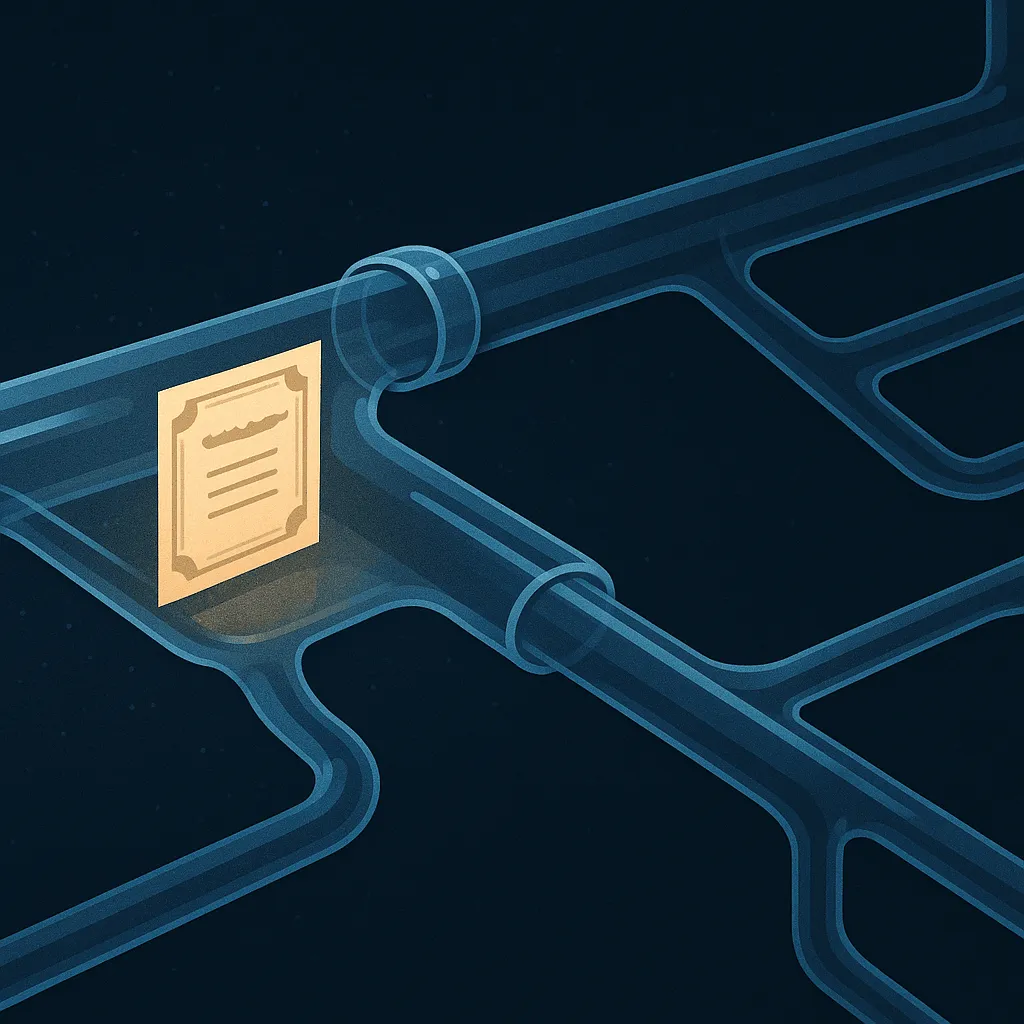
To understand both why the SpaceX offerings broke and what alternative architectures look like, it helps to decompose any tokenized equity product into three layers and ask the same questions of each: who holds what, what is the legal claim, and what happens on failure.
Layer one: the custodian
At the base sits an entity that holds the actual underlying instrument — either physical share certificates, book-entry positions at a transfer agent, or beneficial interests in a fund. For public equities, this is typically a regulated broker-dealer or a qualified custodian operating under jurisdiction-specific rules (SEC-registered in the US, MiFID-authorized in Europe, FSC-licensed in Korea, and so on). For private equities like SpaceX, the custodial picture is murkier: shares may sit in an SPV’s books, in a fund’s custody account, or with a specialized private-markets platform.
The custodian’s solvency, jurisdiction, and regulatory perimeter define the worst-case recovery for the eventual token holder. If the custodian fails, the token is worth whatever the bankruptcy estate can recover against the underlying position — assuming the token holder is recognized as a beneficial owner, which is itself often unclear.
Layer two: the tokenization protocol
The middle layer takes the custodial position and mints tokens against it. This is the layer that most narratives focus on, because it is where blockchain technology actually appears, but it is also the layer with the least economic significance if the layers above and below are weak.
A well-designed tokenization protocol enforces a hard relationship between minted token supply and verified custodial holdings, often through periodic proof-of-reserves attestations and on-chain transfer agent integrations. A poorly designed one treats minting as a marketing function and allows token supply to run ahead of confirmed custody, on the assumption that custody will catch up. The SpaceX cancellations suggest the latter pattern was in play.
Layer three: the exchange wrapper
The top layer is the user-facing surface — the order book, the wallet display, the subscription flow. It is also where most users form their mental model of what they own, and where the gap between marketing and structure tends to be widest. A token labelled “SpaceX” in an exchange UI implies direct ownership; the underlying claim chain may say something quite different.
The exchange wrapper introduces an additional failure mode: the exchange itself can suspend trading, restrict withdrawals, or — as in the SpaceX case — cancel allocations entirely. None of these actions require the underlying custody or tokenization layers to have failed. They are pure platform decisions, and they sit between the token holder and any direct claim on the underlying.
When all three layers are operated by related parties under the same jurisdiction, the user is effectively holding a single counterparty’s promise dressed in three logos. This was approximately the structure of the failed SpaceX offerings.
The on-chain issuance model: Ondo, Exodus, and the public-equity case

Against the offshore exchange model, a parallel architecture has been developing around on-chain issuance of tokenized public equities. The Exodus integration with tokenized markets infrastructure on Solana — offering exposure to more than 200 stocks and ETFs — is one recent example, and Ondo Finance’s broader push into tokenized US equities sits in the same category. These are not the same product as the SpaceX offerings, and the differences are the point.
Why public equities are structurally easier
Public equities solve the share-sourcing problem before it begins. There is a continuous secondary market with deep liquidity, standardized settlement (T+1 in the US as of 2024), and regulated custodians who can hold positions in book-entry form at scale. A tokenization platform that wants to back a token with Apple or SPY shares can do so by routing orders through a regulated broker-dealer and segregating the resulting positions in a qualified custody account. The mechanics are familiar; the only novelty is the on-chain representation.
This structural ease is why nearly every credible tokenized equity launch in 2025 has focused on public stocks and ETFs rather than private companies. The exceptions — SpaceX, OpenAI exposure products, and a handful of others — have consistently been the products that ran into delivery problems.
The Solana architecture
The Solana-based model that Exodus has integrated relies on a different distribution of trust than the offshore exchange stack. The custodian and broker-dealer relationships are typically held by a regulated issuer in a defined jurisdiction. Tokens are minted on a public chain where supply is verifiable. Secondary trading happens either on-chain through permissioned pools or through integrated wallet interfaces. The exchange wrapper, where one exists, is a thinner layer — it provides UX and access but does not insert itself as an additional counterparty between the holder and the issuer.
The tradeoff is access. Most of these products are gated by jurisdiction, KYC, and accredited-investor or similar status. Users in many of the markets where offshore exchange tokens have been popular cannot access the on-chain issued products at all. This is not an accident of the technology; it is the regulatory constraint that the offshore model was implicitly built to evade.
What the model still does not solve
Even at its best, the on-chain issuance model does not collapse the legal distance between holding a token and holding a share. The token holder typically owns a claim against the issuer, which in turn holds shares in custody. Voting rights, dividend pass-through mechanics, corporate action handling, and tax reporting all depend on the issuer’s contractual undertakings and the jurisdiction’s recognition of the token holder as a beneficial owner. These are solvable problems, but they are not solved by the act of tokenization itself.
The Solana model is structurally more honest about what it is — an issuer-intermediated exposure product — and structurally more robust because the custody and broker-dealer layers are operating in environments designed for the underlying instrument. It is not, however, equity ownership in the sense that a directly registered shareholder experiences it.
What a robust tokenized equity rail would actually require
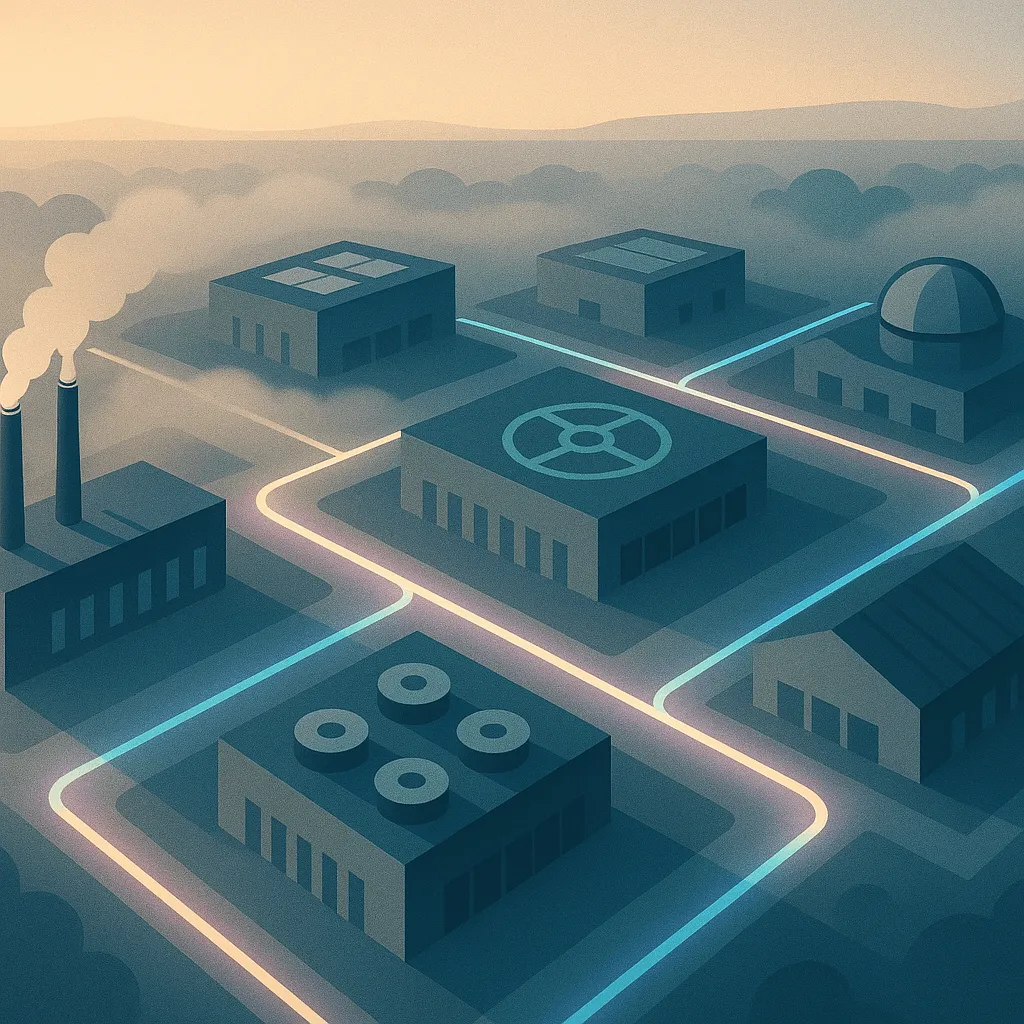
If we treat the SpaceX failure as a diagnostic rather than as a one-off operational stumble, it points toward a small set of properties that any tokenized equity rail would need to satisfy to be structurally credible. None of these are novel; they are the same properties that traditional securities settlement infrastructure has converged on over decades. The question is whether tokenized rails will adopt them or work around them.
Custody segregation and bankruptcy remoteness
The underlying shares must sit in a custody account that is legally segregated from the operating balance sheet of the issuer, the tokenization platform, and any related exchange. The token holder must be recognized as a beneficial owner of the segregated position, ideally with a direct claim that survives the insolvency of any intermediary. This is the property that makes equity custody at a regulated broker meaningfully different from a deposit at an exchange, and it is the property that nearly every offshore tokenized product fails to provide.
Supply-custody binding
Token supply must be bounded by verified custody, not by subscription demand. This requires real-time or near-real-time proof of reserves, integrated with on-chain mint and burn mechanics so that the minting function physically cannot run ahead of confirmed share acquisition. The SpaceX case is what happens when subscription is unbounded and sourcing is best-effort: the gap closes through cancellation rather than through delivery.
Corporate action plumbing
Dividends, stock splits, rights offerings, mergers, and delistings all need defined on-chain handling. A token that represents an equity claim but cannot process a 2-for-1 split without manual intervention is not a serious instrument. The infrastructure for this exists in traditional markets through transfer agents and DTC-equivalent systems; tokenized rails need either to integrate with that infrastructure directly or to build a credible parallel.
Defined legal claim
The token holder must have a clearly documented, jurisdiction-specific legal relationship with the underlying. “Tokenized exposure” without a defined claim is, at best, an unsecured derivative obligation of the issuer. Many current products are exactly this and do not say so plainly. A robust rail names the claim and the jurisdiction in which it is enforceable.
Failure-mode transparency
Every layer in the stack should have a documented failure mode and a documented recovery path. What happens if the custodian fails? If the issuer fails? If the exchange suspends trading? If the chain experiences an extended outage? The SpaceX cancellations were notable partly because the failure mode — exchange-level cancellation — was not something most users had considered when subscribing. A rail that surfaces its failure modes at subscription time is a more honest product than one that surfaces them only when they trigger.
These properties are demanding, and they are why genuinely robust tokenized equity infrastructure has tended to move slowly and to start with the most boring instruments. The products that have moved fastest are the ones that have skipped most of these requirements.
The South Korean clarification and why definitions matter

In late 2025, South Korea’s finance ministry made a determination that, in retrospect, may be more consequential than the SpaceX cancellations: tokenized stocks are securities, not crypto assets. The implication is that they fall under the country’s existing capital markets legislation and tax regime rather than under its emerging crypto-asset framework.
The classification question sounds technical, but it is the question that determines almost everything about how a tokenized equity product can be built and distributed. If a token is a security, it must be issued by a licensed entity, distributed through licensed channels, custodied by a qualified custodian, and reported to tax authorities under securities rules. If it is a crypto asset, a different and generally lighter regime applies. The offshore exchange model has implicitly relied on the latter classification — or on the absence of any classification — to operate.
Why this forces architectural change
Once a jurisdiction declares that tokenized equities are securities, the offshore exchange model loses its regulatory arbitrage in that jurisdiction. Users there can no longer purchase the products without the issuer having gone through securities registration, or the platform having obtained the relevant licenses. This does not eliminate the products; it forces them either to adopt the on-chain issuance model with proper licensing, or to exit the market.
South Korea is not the first jurisdiction to take this position — the SEC has functionally held the same view in the US for years, and several European regulators have moved in similar directions under MiCA and pre-existing securities law. But the Korean determination is notable because Korea is one of the largest retail crypto markets globally, and because the finance ministry’s framing was explicit rather than implicit. It removes the ambiguity that allowed offshore products to operate in a grey zone.
The convergence pressure
Taken together with the SpaceX failure, the Korean clarification points toward a convergence. Tokenized equity products that want to scale will need to look more like the on-chain issuance model — licensed issuer, segregated custody, defined legal claim, jurisdiction-specific access — and less like the offshore exchange model that the SpaceX offerings exemplified. The market may continue to support both for a period, but the structural pressure runs in one direction.
This is not the same as saying that tokenization will inevitably succeed as a meaningful share of equity markets. The on-chain issuance model is more honest and more robust, but it is also slower, more expensive, and less differentiated from existing brokerage infrastructure than its proponents sometimes claim. The genuine value-add of tokenization — composability with on-chain protocols, programmable transfers, integration with stablecoin settlement — has yet to be demonstrated at scale in a regulated wrapper. That demonstration is the next test, and it is harder than the SpaceX one.
Implications and open questions
The SpaceX cancellations are most useful read as a definitional event. They forced a distinction that the marketing language of “tokenized equities” had been working hard to blur: between products that represent ownership claims on actual shares and products that represent platform promises about exposure. The first kind requires the slow, expensive work of custody, licensing, and legal claim construction. The second kind can be deployed in weeks but breaks when the underlying cannot be sourced on demand.
Several questions remain genuinely open. First, whether the on-chain issuance model can find a meaningful product-market fit beyond what existing brokerage apps already offer. Programmable transfer and DeFi composability are real properties, but they require a critical mass of integrated venues to matter, and that mass does not yet exist for tokenized equities. Second, whether the offshore exchange model adapts or exits. The path of least resistance may be to migrate toward derivative or perpetual-style products that drop the pretense of share backing entirely — a structure that is more honest, if less marketable. Third, how the jurisdictional patchwork evolves. The Korean determination is one data point; the cumulative effect of similar determinations across major markets will reshape what is buildable and where.
For readers tracking this space, the watch list is fairly concrete. How do the platforms that cancelled SpaceX allocations restructure their private-company exposure products, if at all? How does Ondo’s tokenized equity suite handle its first material corporate action and its first jurisdictional access dispute? Does any major jurisdiction follow Korea in issuing an explicit classification, or do most continue to leave the question ambiguous? And, perhaps most importantly, does any tokenized equity rail demonstrate a genuine use case — composability, settlement efficiency, or a novel access pattern — that justifies the architectural complexity over a regulated brokerage account holding the same underlying?
Until that last question has a clear answer, tokenization will remain, for equities, primarily a distribution channel innovation rather than a structural one. That is not a small thing, but it is a smaller thing than the marketing has suggested. The SpaceX stress test was a useful reminder of the gap between the two.
서론
2025년 하반기, 세계 최대 규모의 역외 암호화폐 거래소 세 곳 — Bybit, Binance, Bitget — 이 조용히 사용자들에게 판매했던 토큰화 SpaceX 주식 배분을 취소했다. 공식적인 이유는 기초 주식 물량 부족이었다. 며칠 만에 관련 SpaceX 익스포저 상품의 2차 시장 가격은 급등했고, 사용자들이 매수했다고 믿었던 것과 거래소가 실제로 제공할 수 있는 것 사이의 간극은 더 이상 덮어두기 어려워졌다.
이것은 마케팅 실패가 아니었다. 구조적 실패였다. 이 사건은 토큰화 주식 상품이 실제로 어떻게 만들어지는지를 적나라하게 드러냈다. 주식이 어디서 오는지, 누가 보유하는지, 사용자 지갑에 있는 토큰이 법적으로 무엇을 의미하는지, 그리고 그 구조의 어느 한 층이 이행에 실패하면 어떤 일이 벌어지는지. 지난 2년간 토큰화 주식을 실물자산(RWA) 도입의 다음 단계로 마케팅해온 업계 입장에서, SpaceX 취소 사태는 유용한 스트레스 테스트였다.
우리는 이 사건을 출발점으로 삼아 토큰화 주식 인프라를 층별로 — 수탁기관, 토큰화 프로토콜, 거래소 래퍼 — 분해해서 살펴보고, 역외 거래소 모델을 Ondo 인프라 기반으로 Solana에서 출시된 Exodus의 최근 토큰화 마켓 사례와 비교한다. 이어서 한국 기획재정부가 토큰화 주식을 암호자산이 아닌 증권으로 분류하는 방식으로 정의 논쟁을 수면 위로 끌어올리고 있다는 사실과, 그 분류가 아키텍처 자체에 어떤 함의를 갖는지도 살펴본다.
핵심 주제는 단순하다. “토큰화 주식”이라는 표현은 하나의 특정 상품이 아니라 넓은 스펙트럼을 가리킨다. 어떤 상품이 그 스펙트럼의 어느 지점에 위치하느냐에 따라 그것이 실질적인 소유권 청구권인지, 합성 익스포저인지, 아니면 구조화 상품에 가까운 무언가를 감싼 마케팅 포장인지가 결정된다. SpaceX 사태는 그 구분을 어떤 백서도 할 수 없는 방식으로 가시화했다.
SpaceX 사태의 해부
취소된 SpaceX 상품들은 공통된 구조를 갖고 있었다. 역외 거래소가 SpaceX 주식에 대한 익스포저를 나타내는 토큰에 플랫폼을 통해 청약할 수 있다고 발표한 것이다. 토큰은 SpaceX의 잠재적 유동성 이벤트를 앞두고 마케팅되었고, 2024년과 2025년을 거치며 회사에 대한 사모 시장의 관심이 높아지는 흐름을 타고 있었다. 사용자들은 스테이블코인이나 거래소 기축 통화로 청약하면서, 발행일에 토큰이 자신의 계좌에 입금되기를 기대했다.
취소 공지가 나왔을 때, 거래소들은 판매된 토큰을 뒷받침할 실제 SpaceX 주식을 충분히 확보하지 못했다는 이유를 들었다. 이 말 자체가 이 사건에서 가장 많은 것을 알려주는 부분인데, 그 속에는 특정 아키텍처가 전제되어 있기 때문이다. 토큰은 오프체인 어딘가에 보유된 실제 주식으로 일대일(또는 분할 단위)로 뒷받침될 예정이었고, 주식 공급이 확정되기 전에 사용자 수요에 맞춰 발행이 먼저 열렸다는 것이다.
”주식 조달”이 실제로 의미하는 것
SpaceX는 비상장 기업이다. 주식이 자유롭게 거래되지 않는다. 접근 경로는 크게 세 가지다. 회사로부터의 직접 배분(드물고, 통상 전략적 투자자에게만 제공됨), 기존 임직원이나 초기 투자자로부터의 2차 매도, 그리고 SpaceX 포지션을 보유한 펀드나 특수목적법인(SPV)을 통한 간접 익스포저가 그것이다. 각 경로마다 고유의 양도 제한, 우선매수권 조항, 거래상대방 실사 요건이 존재한다.
토큰화 플랫폼이 리테일 대상 토큰을 실제 SpaceX 주식으로 뒷받침하려면, 이 경로들 중 하나를 통해 대량으로 주식을 취득하거나, 이미 주식을 보유한 기관과 파트너십을 맺어 해당 포지션에 담보를 설정해야 한다. 어느 쪽도 간단하지 않다. 비상장 기업 주식의 2차 시장 거래는 통상 몇 주가 걸리고, 가격은 호가가 아닌 협상으로 결정된다. 거래소가 수분 내에 청약을 받을 수 있는 속도와 수탁기관이 실제로 주식을 조달하는 데 걸리는 몇 주 사이의 간극 — 이것이 상품 구조를 붕괴시킨 균열이었다.
래퍼와 실물 뒷받침의 문제
SpaceX 사이클에서 마케팅된 상품들 중 상당수는 직접 주식으로 뒷받침된 토큰이 아니라, 익스포저를 감싼 래퍼 구조였던 것으로 보인다. 래퍼 구조에서 발행자는 SpaceX 주식을 보유한 펀드나 SPV에 대한 지분을 갖고, 그 지분에 대한 청구권을 토큰으로 발행한다. 이렇게 되면 토큰 보유자와 기초 주식 사이에 두 개의 중간자가 추가되고, “SpaceX 주식을 소유하고 있느냐”는 질문에 긍정적으로 답하기가 사실상 불가능해진다. 정직한 답변은 이렇다. 당신은 특정 거래상대방에 대한 거래소의 계약적 청구권을 표상하는 토큰을 보유하고 있으며, 그 거래상대방은 SpaceX 포지션을 보유한 비히클에 대한 청구권을 갖고 있다.
주식 조달이 실패하자 구조는 사용자와 가장 가까운 층에서 무너졌는데, 그 층이 눈에 보이는 거래상대방이 있는 곳이었기 때문이다. 그러나 실패의 씨앗은 처음부터 전체 구조에 걸쳐 존재했다.
토큰화 주식 스택의 세 개 층
SpaceX 상품이 왜 무너졌는지, 그리고 어떤 대안적 아키텍처가 가능한지를 이해하려면, 어떤 토큰화 주식 상품이든 세 개의 층으로 분해하고 각 층에 동일한 질문을 던져보는 것이 도움이 된다. 누가 무엇을 보유하는가, 법적 청구권은 무엇인가, 실패 시 어떤 일이 발생하는가.
첫 번째 층: 수탁기관
가장 아래에는 실제 기초 자산 — 실물 주권, 명의 대리인 계좌의 장부 기재 포지션, 또는 펀드의 수익적 지분 — 을 보유하는 주체가 있다. 상장 주식의 경우, 이는 보통 관할권별 규정 하에 운영되는 규제 대상 브로커-딜러 또는 적격 수탁기관이다(미국의 SEC 등록, 유럽의 MiFID 인가, 한국의 금융위 라이선스 등). SpaceX 같은 비상장 주식의 경우 수탁 구조는 불명확하다. 주식이 SPV 장부, 펀드의 수탁 계좌, 또는 전문 사모 시장 플랫폼에 있을 수 있다.
수탁기관의 지급 능력, 관할권, 규제 범위가 최종 토큰 보유자의 최악의 경우 회수 가능성을 결정한다. 수탁기관이 파산하면, 토큰의 가치는 토큰 보유자가 수익적 소유자로 인정받는다는 전제 하에 — 이 전제 자체도 종종 불분명하다 — 파산 재단이 기초 포지션에서 회수할 수 있는 금액이 전부다.
두 번째 층: 토큰화 프로토콜
중간 층은 수탁 포지션을 받아서 토큰을 발행한다. 대부분의 내러티브가 이 층에 집중하는데, 블록체인 기술이 실제로 등장하는 곳이기 때문이다. 그러나 위아래 층이 취약하다면 경제적으로는 가장 의미 없는 층이기도 하다.
잘 설계된 토큰화 프로토콜은 발행된 토큰 공급량과 검증된 수탁 보유량 사이에 엄격한 관계를 유지하는데, 주로 주기적인 준비금 증명 및 온체인 명의 대리인 연동을 통해 이를 구현한다. 반면 잘못 설계된 프로토콜은 발행을 마케팅 기능처럼 취급하여, 수탁이 나중에 따라잡을 것이라는 가정 하에 토큰 공급이 확정된 수탁 물량을 앞질러 나가도록 허용한다. SpaceX 취소 사태는 후자의 패턴이 작동했음을 시사한다.
세 번째 층: 거래소 래퍼
최상위 층은 사용자 접점 — 오더북, 지갑 화면, 청약 플로우 — 이다. 동시에 대부분의 사용자가 자신이 무엇을 소유하는지에 대한 심상을 형성하는 곳이며, 마케팅과 실제 구조 사이의 간극이 가장 벌어지는 곳이기도 하다. 거래소 UI에서 “SpaceX”로 표시된 토큰은 직접 소유권을 암시하지만, 실제 청구권 체인은 전혀 다른 이야기를 할 수 있다.
거래소 래퍼는 또 다른 실패 모드를 추가한다. 거래소 자체가 거래를 중단하거나, 출금을 제한하거나, SpaceX 사례처럼 배분을 완전히 취소할 수 있다. 이 어떤 조치도 기초 수탁 층이나 토큰화 층의 실패를 요구하지 않는다. 이것들은 순수한 플랫폼의 의사결정이며, 토큰 보유자와 기초 자산에 대한 직접 청구권 사이에 끼어들어 있다.
세 개 층이 모두 같은 관할권 아래 연계된 주체들에 의해 운영될 때, 사용자는 사실상 세 개의 로고로 포장된 단일 거래상대방의 약속을 보유하고 있는 것이다. SpaceX 실패 상품들의 구조가 대략 이와 같았다.
온체인 발행 모델: Ondo, Exodus, 그리고 상장 주식의 경우
역외 거래소 모델과 나란히, 토큰화 상장 주식의 온체인 발행을 중심으로 한 병렬적 아키텍처가 발전해왔다. Solana 기반의 토큰화 마켓 인프라와 연동한 Exodus — 200개 이상의 주식과 ETF 익스포저 제공 — 가 최근의 사례 중 하나이며, Ondo Finance의 토큰화 미국 주식 확장 전략도 같은 범주에 속한다. 이것들은 SpaceX 상품과 동일한 제품이 아니며, 바로 그 차이가 핵심이다.
상장 주식이 구조적으로 더 쉬운 이유
상장 주식은 주식 조달 문제를 시작 전에 해결한다. 심층적인 유동성을 갖춘 연속적인 2차 시장이 있고, 표준화된 결제(미국은 2024년 기준 T+1)가 이루어지며, 규제 대상 수탁기관이 대규모로 장부 기재 형태로 포지션을 보유할 수 있다. Apple이나 SPY 주식으로 토큰을 뒷받침하려는 토큰화 플랫폼은 규제 대상 브로커-딜러를 통해 주문을 내고 결과 포지션을 적격 수탁 계좌에 분리 보관하면 된다. 기술적 절차는 익숙하고, 유일한 새로운 요소는 온체인 표상뿐이다.
이 구조적 용이성 때문에 2025년의 신뢰할 만한 토큰화 주식 출시 사례 거의 모두가 비상장 기업이 아닌 상장 주식과 ETF에 집중했다. 예외적으로 SpaceX, OpenAI 익스포저 상품 등 소수가 있었는데, 이들이 바로 일관되게 이행 문제에 부딪힌 상품들이었다.
Solana 아키텍처
Exodus가 연동한 Solana 기반 모델은 역외 거래소 스택과는 다른 신뢰 분배 구조를 취한다. 수탁기관 및 브로커-딜러 관계는 통상 정의된 관할권 내의 규제 대상 발행자가 유지한다. 토큰은 공급량이 검증 가능한 퍼블릭 체인에서 발행된다. 2차 거래는 온체인 허가형 풀이나 통합 지갑 인터페이스를 통해 이루어진다. 거래소 래퍼는 존재하더라도 더 얇은 층에 불과하다 — UX와 접근성을 제공하지만, 보유자와 발행자 사이에 추가적인 거래상대방으로 끼어들지 않는다.
대신 접근성이 제한된다는 트레이드오프가 있다. 이 상품들 대부분은 관할권, KYC, 적격 투자자 자격 등으로 진입이 제한되어 있다. 역외 거래소 토큰이 인기를 끌었던 많은 시장의 사용자들은 온체인 발행 상품에 아예 접근할 수 없다. 이것은 기술적 사고(事故)가 아니다. 역외 모델이 암묵적으로 우회하려 했던 규제 제약이 바로 이것이다.
이 모델도 해결하지 못하는 것
최선의 경우에도, 온체인 발행 모델은 토큰을 보유하는 것과 주식을 보유하는 것 사이의 법적 거리를 없애지 못한다. 토큰 보유자는 통상 발행자에 대한 청구권을 갖고, 발행자가 수탁 형태로 주식을 보유한다. 의결권, 배당 전달 메커니즘, 기업 행위 처리, 세금 신고 모두 발행자의 계약적 이행과 해당 관할권의 토큰 보유자 수익적 소유자 인정 여부에 달려 있다. 이것들은 해결 가능한 문제들이지만, 토큰화 행위 자체로 해결되지는 않는다.
Solana 모델은 자신이 무엇인지에 대해 — 발행자 매개 익스포저 상품 — 구조적으로 더 솔직하고, 수탁 및 브로커-딜러 층이 기초 자산에 맞게 설계된 환경에서 운영되기 때문에 구조적으로도 더 견고하다. 그러나 직접 등록 주주가 경험하는 의미의 주식 소유는 아니다.
견고한 토큰화 주식 레일이 실제로 요구하는 것
SpaceX 실패를 일회성 운영 실수가 아닌 진단 도구로 본다면, 어떤 토큰화 주식 레일이든 구조적 신뢰성을 갖추기 위해 갖춰야 할 소수의 속성을 가리킨다. 이 속성들 중 새로운 것은 없다. 전통적인 증권 결제 인프라가 수십 년에 걸쳐 수렴해온 바로 그 속성들이다. 문제는 토큰화 레일이 이를 채택할 것이냐, 아니면 우회할 것이냐다.
수탁 분리와 파산 격리
기초 주식은 발행자, 토큰화 플랫폼, 관련 거래소의 운영 재무 상태와 법적으로 분리된 수탁 계좌에 있어야 한다. 토큰 보유자는 분리된 포지션의 수익적 소유자로 인정받아야 하며, 이상적으로는 어느 중간자의 지급 불능에도 살아남는 직접 청구권을 가져야 한다. 이것이 규제 대상 브로커 수탁을 거래소 예탁과 의미 있게 다르게 만드는 속성이며, 역외 토큰화 상품 대부분이 제공하지 못하는 속성이다.
공급-수탁 연동
토큰 공급은 청약 수요가 아닌 검증된 수탁 물량에 의해 제한되어야 한다. 이는 실시간 또는 근실시간 준비금 증명이 필요하며, 발행(mint) 및 소각(burn) 메커니즘과 온체인으로 통합되어야 한다. 그래야 발행 기능이 확정된 주식 취득보다 물리적으로 앞질러 나갈 수 없다. SpaceX 사례는 청약이 무제한이고 조달이 최선 노력 방식일 때 어떤 일이 생기는지 보여준다. 간극은 이행이 아닌 취소로 해소된다.
기업 행위 배관
배당, 주식 분할, 신주인수권, 합병, 상장폐지 모두 온체인에서 정의된 처리 방식이 필요하다. 주식 청구권을 표상하지만 2대1 분할을 수동 개입 없이 처리할 수 없는 토큰은 진지한 금융상품이 아니다. 이를 위한 인프라는 전통 시장에서 명의 대리인 및 DTC 동등 시스템을 통해 존재한다. 토큰화 레일은 해당 인프라와 직접 통합하거나 신뢰할 수 있는 병렬 구조를 구축해야 한다.
명확한 법적 청구권
토큰 보유자는 기초 자산에 대해 관할권이 명시된, 문서화된 법적 관계를 가져야 한다. 정의된 청구권 없는 “토큰화 익스포저”는 기껏해야 발행자에 대한 무담보 파생 의무다. 현재 많은 상품들이 정확히 이런 구조이면서 그 사실을 명확히 고지하지 않는다. 견고한 레일은 청구권과 그것이 집행 가능한 관할권을 명시한다.
실패 모드 투명성
스택의 모든 층은 문서화된 실패 모드와 문서화된 복구 경로를 가져야 한다. 수탁기관이 실패하면? 발행자가 실패하면? 거래소가 거래를 중단하면? 체인이 장시간 중단되면? SpaceX 취소 사태가 주목받았던 이유 중 하나는, 실패 모드 — 거래소 수준의 취소 — 가 대부분의 사용자가 청약 시 고려하지 않았던 것이었다는 점이다. 청약 시점에 실패 모드를 표면화하는 레일은, 실패가 발생할 때만 이를 드러내는 레일보다 더 정직한 상품이다.
이 속성들은 까다롭고, 그래서 진정으로 견고한 토큰화 주식 인프라는 느리게 움직이며 가장 평범한 자산부터 시작하는 경향이 있다. 가장 빠르게 움직인 상품들은 이 요건들 대부분을 건너뛴 것들이었다.
한국의 명확화, 그리고 정의가 중요한 이유
2025년 말, 한국 기획재정부는 사후적으로 SpaceX 취소 사태보다 더 중요할 수 있는 판단을 내렸다. 토큰화 주식은 암호자산이 아닌 증권이라는 것이다. 이는 해당 상품들이 국내의 신흥 암호자산 프레임워크가 아닌 기존 자본시장법 및 세제의 적용을 받는다는 의미다.
분류 문제는 기술적으로 들리지만, 토큰화 주식 상품이 어떻게 구성되고 유통될 수 있는지 거의 모든 것을 결정하는 질문이다. 토큰이 증권이라면 인가된 기관이 발행하고, 인가된 채널을 통해 유통되고, 적격 수탁기관이 보관하며, 증권 규정에 따라 세무당국에 보고되어야 한다. 암호자산이라면 일반적으로 더 가벼운 다른 체제가 적용된다. 역외 거래소 모델은 암묵적으로 후자의 분류에 — 또는 어떤 분류도 없는 상태에 — 의존해 운영해왔다.
이것이 구조적 변화를 강제하는 이유
관할권이 토큰화 주식을 증권으로 선언하면, 역외 거래소 모델은 해당 관할권에서 규제 차익을 잃는다. 해당 지역 사용자들은 발행자가 증권 등록을 마쳤거나 플랫폼이 관련 라이선스를 취득하지 않는 한 해당 상품을 구매할 수 없게 된다. 이것이 상품 자체를 없애지는 않는다. 대신 상품들을 적절한 라이선싱을 갖춘 온체인 발행 모델로 이행하거나 시장에서 철수하도록 강제한다.
한국이 이 입장을 취한 첫 번째 관할권은 아니다 — 미국 SEC는 수년간 실질적으로 같은 견해를 유지해왔고, 유럽 규제기관들도 MiCA 및 기존 증권법 하에서 유사한 방향으로 움직였다. 그러나 한국의 판단은 주목할 만한데, 한국이 세계 최대 리테일 암호화폐 시장 중 하나이고, 기획재정부의 프레이밍이 암묵적이 아닌 명시적이었기 때문이다. 이는 역외 상품들이 회색 지대에서 운영될 수 있게 해주던 모호함을 제거한다.
수렴 압력
SpaceX 실패와 한국의 명확화를 함께 보면, 하나의 수렴 방향이 보인다. 규모를 키우려는 토큰화 주식 상품은 SpaceX 상품이 보여줬던 역외 거래소 모델에서 벗어나 — 인가된 발행자, 분리 수탁, 정의된 법적 청구권, 관할권별 접근 제한 — 온체인 발행 모델에 가까워질 필요가 있다. 시장이 한동안 두 모델을 모두 지탱할 수 있겠지만, 구조적 압력은 한 방향으로 흐른다.
이것이 토큰화가 주식 시장의 의미 있는 비중을 차지하며 반드시 성공할 것이라는 말은 아니다. 온체인 발행 모델은 더 정직하고 더 견고하지만, 더 느리고 더 비싸며 지지자들이 때때로 주장하는 것만큼 기존 브로케이지 인프라와 차별화되지 않는다. 토큰화의 진정한 부가가치 — 온체인 프로토콜과의 컴포저빌리티, 프로그래머블 이전, 스테이블코인 결제 통합 — 는 규제 래퍼 안에서 아직 규모 있게 입증되지 않았다. 그 입증이 다음 테스트이며, SpaceX 테스트보다 어렵다.
함의와 열린 질문들
SpaceX 취소 사태는 정의적 사건으로 읽을 때 가장 유용하다. 이 사태는 “토큰화 주식”이라는 마케팅 언어가 애써 흐리려 했던 구분을 강제했다. 실제 주식에 대한 소유권 청구권을 표상하는 상품과, 익스포저에 대한 플랫폼의 약속을 표상하는 상품 사이의 구분이 그것이다. 전자는 수탁, 라이선싱, 법적 청구권 구축이라는 느리고 비싼 작업을 필요로 한다. 후자는 몇 주 만에 배포할 수 있지만 기초 자산을 수요에 맞춰 즉시 조달할 수 없을 때 무너진다.
몇 가지 질문은 여전히 진정으로 열려 있다. 첫째, 온체인 발행 모델이 기존 브로케이지 앱이 이미 제공하는 것을 넘어 의미 있는 제품-시장 적합성을 찾을 수 있는가. 프로그래머블 이전과 DeFi 컴포저빌리티는 실질적인 속성이지만, 이것이 중요해지려면 통합된 거래 장소의 임계 질량이 필요하고, 토큰화 주식에서 그 질량은 아직 존재하지 않는다. 둘째, 역외 거래소 모델이 적응하는가 아니면 철수하는가. 가장 저항이 적은 경로는 주식 담보의 가장을 완전히 버리고 파생상품이나 영구선물 유형의 상품으로 전환하는 것일 수 있다 — 덜 마케팅되지만 더 정직한 구조다. 셋째, 관할권별 패치워크가 어떻게 전개되는가. 한국의 판단은 하나의 데이터 포인트이고, 주요 시장들의 유사한 판단이 누적되면 무엇을 어디서 구축할 수 있는지가 재편될 것이다.
이 공간을 추적하는 독자들에게 관찰 목록은 꽤 구체적이다. SpaceX 배분을 취소한 플랫폼들은 비상장 기업 익스포저 상품을 어떻게 재구성하는가, 한다면? Ondo의 토큰화 주식 스위트는 첫 번째 중요한 기업 행위와 첫 번째 관할권 접근 분쟁을 어떻게 처리하는가? 어느 주요 관할권이 한국에 이어 명시적 분류를 내놓는가, 아니면 대부분이 계속 모호한 상태로 두는가? 그리고 아마도 가장 중요한 질문: 어떤 토큰화 주식 레일이 — 컴포저빌리티, 결제 효율성, 또는 새로운 접근 패턴 측면에서 — 동일한 기초 자산을 보유하는 규제 대상 브로케이지 계좌보다 아키텍처적 복잡성을 정당화하는 진정한 사용 사례를 입증하는가?
마지막 질문에 명확한 답이 나올 때까지, 토큰화는 주식 분야에서 구조적 혁신이 아닌 주로 유통 채널 혁신에 머물 것이다. 그것도 작은 성과는 아니지만, 마케팅이 시사한 것보다는 작은 성과다. SpaceX 스트레스 테스트는 그 둘 사이의 간극을 상기시켜 주는 유용한 계기였다.
はじめに
2025年後半、大手オフショア暗号資産取引所であるBybit・Binance・Bitgetの3社が、ユーザー向けに販売していたSpaceX株のトークン化アロケーションを相次いで静かにキャンセルした。公式の理由は「原資となる株式の調達不足」だった。数日以内に、関連するSpaceX関連エクスポージャー商品のセカンダリ価格が急騰し、ユーザーが購入したと思っていたものとプラットフォームが実際に提供できるものとの乖離は、もはや取り繕えない状況となった。
これはマーケティング上の失敗ではなく、構造的な失敗だった。この一件は、トークン化株式商品の実際の構造——株式はどこから来るのか、誰が保有しているのか、ユーザーのウォレットに届くトークンは法的に何を表しているのか、そしてスタック内のいずれかの層が履行不能になったときに何が起きるのか——を白日の下に晒した。この2年間、トークン化株式を実世界資産(RWA)普及の次なる柱として売り込んできた業界にとって、SpaceXキャンセル事件は格好のストレステストとなった。
本稿では、この出来事を契機に、トークン化株式のインフラをカストディアン・トークン化プロトコル・取引所ラッパーの各層に分解して検証するとともに、オフショア取引所モデルと、OndoのインフラによるSolanaベースのトークン化マーケットローンチで具現化されたExodusのオンチェーン発行モデルとを比較する。さらに、韓国財務省がトークン化株式を暗号資産ではなく有価証券として分類することで定義上の問題を表面化させ始めた経緯と、その分類がアーキテクチャそのものに対して持つ含意についても考察する。
一貫したテーマはシンプルだ。「トークン化株式」という表現は、単一の商品ではなくスペクトラムを指している。ある商品がそのスペクトラムのどこに位置するかによって、それが真の所有権請求なのか、合成エクスポージャーなのか、それとも仕組み商品に近いものを包んだマーケティングラッパーに過ぎないのかが決まる。SpaceXの失敗は、いかなるホワイトペーパーよりも雄弁にその区別を可視化した。
SpaceX失敗の解剖
キャンセルされたSpaceX商品には、共通の構造があった。オフショア取引所が、SpaceX株へのエクスポージャーを表すトークンへの申し込みを自社プラットフォーム上で受け付けると発表したのだ。これらのトークンは、SpaceXの潜在的な流動性イベントが近づくという期待感を背景に販売され、2024年から2025年にかけて同社への民間市場の関心が高まる中で生まれたナラティブに乗じていた。ユーザーはステーブルコインや取引所の建値通貨で申し込み、発行日にトークンがアカウントに付与されることを期待していた。
キャンセルが発表されると、各取引所は「販売済みトークンを裏付けるに足る実際のSpaceX株を調達できなかった」と説明した。この説明自体が、今回の一件で最も示唆に富む部分だ。なぜなら、それは特定のアーキテクチャの存在を示唆しているからだ——つまり、トークンはオフチェーンのどこかに保管された実株式によって1対1(あるいは端数単位で)裏付けられるものとして設計されており、株式供給が確保される前にユーザー需要に応じた発行が開始されていたということを意味する。
「株式調達」が実際に意味するもの
SpaceXは非公開企業であり、その株式は自由に取引されない。アクセス経路は主に三つある。企業からの直接配分(稀であり、通常は戦略的投資家に限定される)、既存の従業員や初期投資家からのセカンダリ売却、そしてSpaceX株を保有するファンドや特別目的ビークル(SPV)を通じた間接的なエクスポージャーだ。いずれの経路にも、独自の譲渡制限、先買権条項、カウンターパーティのデューデリジェンス要件が存在する。
トークン化プラットフォームがリテール向けトークンを真のSpaceX株式で裏付けるには、これらのいずれかの経路でまとまった量の株式を取得するか、すでに保有している主体と提携してそのポジションに担保設定を行うしかない。どちらも容易ではない。非公開企業株のセカンダリ市場でのアクセスは、通常、数時間ではなく数週間を要し、価格は相場表示ではなく交渉によって決まる。取引所が数分で申し込みを受け付けられる能力と、カストディアンが実際に株式を数週間かけて調達する能力とのミスマッチ——それがこの商品群を崩壊させた溝だった。
ラッパーと裏付けの問題
SpaceXサイクルで販売されたいくつかの商品は、直接の株式裏付けトークンではなく、エクスポージャーを包んだラッパー構造をとっていたと見られる。ラッパー構造では、発行者がSpaceX株を保有するファンドやSPVのポジションを持ち、そのファンドに対する発行者の請求権に対してトークンが発行される。これにより、トークン保有者と原資産株式の間に二つの仲介者が介在する構造となり、「あなたはSpaceXの株を所有しているか?」という問いに率直に「はい」と答えることが不可能になる。正直な答えはむしろこうだ——あなたが保有しているのは、SpaceXのポジションを持つビークルへの請求権を持つカウンターパーティへの、取引所の契約上の請求権を表すトークンだ、と。
株式調達が不可能になると、構造はユーザーに最も近い層から崩壊した。なぜなら、そこが目に見えるカウンターパーティが存在する層だったからだ。しかし失敗の素地は、最初からスタック全体に潜んでいた。
トークン化株式スタックの三層構造
SpaceX商品がなぜ破綻したのか、そして代替アーキテクチャはどのようなものかを理解するために、あらゆるトークン化株式商品を三つの層に分解し、それぞれについて同じ問いを立てることが有効だ——誰が何を保有しているのか、法的な請求権は何か、障害時には何が起きるのか。
第一層:カストディアン
最下層に位置するのは、実際の原資産——物理的な株式証明書、振替代理機関における帳簿上のポジション、またはファンドへの受益持分——を保有する主体だ。公開株式の場合、これは通常、管轄固有の規制のもとで運営される規制を受けたブローカーディーラーまたは適格カストディアンだ(米国ではSEC登録、欧州ではMiFID認可、韓国ではFSCライセンスなど)。SpaceXのような非公開株式の場合、カストディの実態はより不透明で、株式がSPVの帳簿上に、あるいはファンドのカストディ口座や専門的な私募市場プラットフォームに存在することもある。
カストディアンの支払能力・管轄・規制の範囲が、最終的なトークン保有者にとっての最悪ケースの回収可能額を規定する。カストディアンが破綻した場合、トークンの価値は破産財団が原資産ポジションから回収できる額に依存するが、それはトークン保有者が受益所有者として認識されていることが前提であり、この点自体がしばしば曖昧だ。
第二層:トークン化プロトコル
中間層は、カストディポジションを受け取ってトークンを発行する機能を担う。ほとんどのナラティブがここに焦点を当てるのは、ブロックチェーン技術が実際に登場する層だからだが、上下の層が脆弱であれば、経済的な意義が最も薄い層でもある。
適切に設計されたトークン化プロトコルは、発行済みトークン供給量と検証済みカストディ保有量の間に厳密な対応関係を強制する。多くの場合、定期的なプルーフ・オブ・リザーブ証明とオンチェーンの振替代理機関連携を通じてこれを実現する。設計が粗雑なプロトコルは、発行をマーケティング機能として扱い、「いずれカストディが追いつく」という前提のもとで、確認済みのカストディ保有量を上回るトークン供給を容認する。SpaceXキャンセルは、後者のパターンが機能していたことを示唆している。
第三層:取引所ラッパー
最上層はユーザー向けの接点——注文板、ウォレット表示、申し込みフロー——だ。同時に、ほとんどのユーザーが「自分が何を持っているか」についてのメンタルモデルを形成する場でもあり、マーケティングと実態の乖離が最も大きくなりやすい層でもある。取引所UIで「SpaceX」とラベル付けされたトークンは直接所有を示唆するが、その下に続く請求権の連鎖はまったく異なる内容を語っていることもある。
取引所ラッパーは追加の障害モードをもたらす。取引所は売買を停止し、出金を制限し、あるいはSpaceXの事例のようにアロケーションを全面的にキャンセルすることができる。これらのいずれの措置も、カストディやトークン化の下位層が破綻していることを必要としない。純粋にプラットフォームの判断であり、それがトークン保有者と原資産への直接請求権の間に割り込んでいる。
三層すべてが同一管轄下の関連主体によって運営されている場合、ユーザーは実質的に、三つのロゴをまとった単一カウンターパーティの約束を保有していることになる。これが、失敗に終わったSpaceX商品の概ねの構造だった。
オンチェーン発行モデル:Ondo・Exodus・公開株式の事例
オフショア取引所モデルとは対照的に、Solana上でのトークン化公開株式のオンチェーン発行をめぐる並行アーキテクチャが発展しつつある。Solana上のトークン化マーケットインフラと連携したExodusの統合——200銘柄超の株式とETFへのエクスポージャーを提供——はその最近の一例であり、Ondo Financeのトークン化米国株式への積極展開も同じカテゴリに属する。これらはSpaceX商品とは異なる商品であり、その差異こそが本質だ。
公開株式が構造的に扱いやすい理由
公開株式は、株式調達の問題を発生前に解消している。継続的なセカンダリ市場に深い流動性があり、標準化された決済(2024年から米国はT+1)があり、規制を受けたカストディアンが大規模に帳簿記録でポジションを保有できる。AppleやSPYの株式でトークンを裏付けたいトークン化プラットフォームは、規制を受けたブローカーディーラーを通じて注文を執行し、生じたポジションを適格カストディ口座に分別保管することで実現できる。仕組みは既存のものと変わらず、新しいのはオンチェーン表現だけだ。
この構造的な容易さが、2025年における信頼性の高いほぼすべてのトークン化株式ローンチが、非公開企業ではなく公開株式・ETFに集中している理由だ。例外——SpaceX、OpenAIエクスポージャー商品、そのほか少数——は、一貫して実際の引き渡しに問題が生じた商品だった。
Solanaのアーキテクチャ
Exodusが統合したSolanaベースのモデルは、オフショア取引所スタックとは異なる信頼の分配構造を採用している。カストディアンとブローカーディーラーの関係は、通常、特定管轄内の規制を受けた発行体が保有する。トークンは、供給量が検証可能なパブリックチェーン上で発行される。セカンダリ取引はオンチェーンのパーミッション付きプールまたは統合ウォレットインターフェースで行われる。取引所ラッパーが存在する場合も、その層は薄く、UXとアクセス提供にとどまり、保有者と発行体の間に追加のカウンターパーティとして割り込まない。
トレードオフはアクセスだ。これらの商品の多くは管轄・KYC・認定投資家資格等によってゲートされている。オフショア取引所トークンが人気を博してきた多くの市場のユーザーは、オンチェーン発行商品に一切アクセスできない。これはテクノロジーの偶然の帰結ではなく、オフショアモデルが暗黙的に回避しようとしてきた規制上の制約そのものだ。
このモデルでも解決できないこと
最善の状態でも、オンチェーン発行モデルはトークン保有と株式保有の間にある法的距離を消すことはできない。トークン保有者が持つのは通常、発行体に対する請求権であり、発行体がカストディで株式を保有している。議決権、配当の受け渡し仕組み、コーポレートアクション処理、税務申告はいずれも、発行体の契約上の義務と、トークン保有者を受益所有者として認める管轄の規定に依存している。これらは解決可能な問題だが、トークン化という行為そのものが解決するわけではない。
Solanaモデルは自らの性質——発行体が仲介するエクスポージャー商品——についてより率直であり、カストディとブローカーディーラーの層が原資産に適した環境で機能しているため、構造的により堅牢だ。しかしそれは、直接登録株主が経験するような意味での株式所有ではない。
堅牢なトークン化株式レールが実際に必要とするもの
SpaceXの失敗を単発の業務上のつまずきとしてではなく診断として捉えれば、構造的に信頼できるトークン化株式レールが満たすべき少数の特性が浮かび上がる。いずれも目新しいものではなく、伝統的な証券決済インフラが数十年をかけて収束してきたものと同じ特性だ。問いはただ一つ——トークン化レールはこれらを採用するか、それとも迂回するか。
カストディの分別管理と倒産隔離
原資産株式は、発行体・トークン化プラットフォーム・関連取引所の事業貸借対照表から法的に分別されたカストディ口座に置かれなければならない。トークン保有者は分別管理されたポジションの受益所有者として認識され、理想的にはいかなる仲介者の経営破綻に対しても存続する直接請求権を持つべきだ。これが、規制を受けたブローカーでの株式カストディを取引所への預金と本質的に異なるものにする特性であり、ほぼすべてのオフショアトークン化商品が提供できていない特性でもある。
供給量とカストディの結合
トークン供給量は申し込み需要ではなく、検証済みのカストディによって上限を設けられなければならない。これには、オンチェーンの発行・焼却(ミント・バーン)の仕組みと連動したリアルタイムまたはほぼリアルタイムのプルーフ・オブ・リザーブが必要だ。株式取得の確認前にミント機能が物理的に作動できないよう設計することが求められる。SpaceXの事例は、申し込みが無制限で調達がベストエフォートだった場合に何が起きるかを示している——ギャップは引き渡しによってではなく、キャンセルによって埋められる。
コーポレートアクションの配管
配当・株式分割・株主割当・合併・上場廃止はすべて、オンチェーンでの取り扱いが明確に定義されていなければならない。株式請求権を表しながらも手作業なしに2対1の株式分割を処理できないトークンは、真剣な金融商品とは言えない。このためのインフラは、振替代理機関やDTC相当のシステムを通じて伝統的市場に既に存在する。トークン化レールはそのインフラと直接統合するか、信頼性の高い並行システムを構築する必要がある。
明確な法的請求権
トークン保有者は、原資産に対して明確に文書化された管轄固有の法的関係を持たなければならない。明確な請求権を持たない「トークン化エクスポージャー」は、精々のところ発行体に対する無担保のデリバティブ債務に過ぎない。現在の商品の多くがまさにこれであるにもかかわらず、そのことを明示していない。堅牢なレールは、請求権の性質とそれが執行可能な管轄を明記する。
障害モードの透明性
スタックの各層について、障害モードと回復経路が文書化されていなければならない。カストディアンが破綻した場合は?発行体が破綻した場合は?取引所が取引を停止した場合は?チェーンが長期停止した場合は?SpaceXのキャンセルが特に注目を集めたのは、その障害モード——取引所レベルでのキャンセル——がほとんどのユーザーにとって申し込み時には想定外だったからだ。申し込み時点で障害モードを開示するレールは、発動して初めて開示するものよりも誠実な商品だ。
これらの要件は厳しく、それが真に堅牢なトークン化株式インフラが概してゆっくりと進展し、最も地味な商品から着手する傾向がある理由だ。最も速く動いた商品は、こうした要件のほとんどを省略してきたものだ。
韓国の分類決定と定義が重要な理由
2025年後半、韓国財務省がある判断を下した。振り返れば、それはSpaceXキャンセルよりも重大な意味を持つかもしれない——トークン化株式は暗号資産ではなく有価証券だという判断だ。含意は、トークン化株式が新興の暗号資産フレームワークではなく、既存の資本市場法制と税制のもとに置かれるということだ。
この分類の問題は技術的に聞こえるが、トークン化株式商品がいかに構築・流通できるかについてほぼすべてを規定する問いだ。あるトークンが有価証券であれば、ライセンスを持つ主体が発行し、ライセンスを持つチャネルで流通し、適格カストディアンが保管し、証券規則のもとで税務当局に報告されなければならない。暗号資産であれば、異なる——そして概してより軽い——規制が適用される。オフショア取引所モデルは、暗黙的に後者の分類に、あるいはいかなる分類もないことに依存して機能してきた。
なぜこれがアーキテクチャを変えるのか
ある管轄がトークン化株式を有価証券と宣言した瞬間、オフショア取引所モデルはその管轄における規制裁定の余地を失う。そこのユーザーは、発行体が証券登録を経るか、プラットフォームが関連ライセンスを取得するかしなければ、当該商品を購入できなくなる。これは商品の消滅を意味しない。しかし、適切なライセンスを持つオンチェーン発行モデルを採用するか、市場から撤退するかを迫ることになる。
韓国がこの立場をとった最初の管轄というわけではない——SECは米国で機能的に同様の見解を長年維持しており、欧州のいくつかの規制当局もMiCAと既存証券法のもとで同様の方向へ動いてきた。しかし韓国の決定が注目に値するのは、韓国がグローバルで最大規模のリテール暗号資産市場の一つであり、財務省の枠組みが暗黙的ではなく明示的だったからだ。これにより、オフショア商品がグレーゾーンで操業することを許してきた曖昧さが排除される。
収束の圧力
SpaceXの失敗と韓国の分類決定を合わせて考えると、ある方向への収束が見えてくる。規模拡大を目指すトークン化株式商品は、SpaceX商品群に見られたオフショア取引所モデルから離れ、ライセンス発行体・分別カストディ・明確な法的請求権・管轄固有のアクセス管理を備えるオンチェーン発行モデルへと近づかざるを得なくなる。市場は当面両者を並存させ続けるかもしれないが、構造的な圧力は一方向に働いている。
これはトークン化が株式市場の有意なシェアを獲得することを意味するとは限らない。オンチェーン発行モデルはより誠実で堅牢だが、動きが遅く、コストも高く、提唱者が主張するほど既存の証券仲介インフラとの差別化が明確ではない。トークン化の本来の付加価値——オンチェーンプロトコルとのコンポーザビリティ、プログラマブルな移転、ステーブルコイン決済との統合——は、規制の枠組みを備えた状態で大規模に実証されていない。その実証こそが次のテストであり、SpaceXよりも難しい問いだ。
含意と未解決の問い
SpaceXキャンセルは、定義上のイベントとして読むことが最も有益だ。「トークン化株式」というマーケティング言語が一生懸命ぼかしてきた区別を浮かび上がらせた——実際の株式に対する所有権請求権を表す商品と、エクスポージャーについてのプラットフォームの約束を表す商品との区別だ。前者にはカストディ・ライセンス・法的請求権構築という遅く費用のかかる作業が必要だ。後者は数週間で展開できるが、原資産をオンデマンドで調達できないときに破綻する。
いくつかの問いは真に未解決のままだ。第一に、オンチェーン発行モデルが既存の証券取引アプリがすでに提供するものを超えて、意味のあるプロダクト・マーケット・フィットを見つけられるかどうか。プログラマブルな移転とDeFiコンポーザビリティは本物の特性だが、それが重要になるためには統合された取引場所の臨界質量が必要であり、トークン化株式においてその質量はまだ存在しない。第二に、オフショア取引所モデルが適応するか撤退するか。最も抵抗の少ない道は、株式裏付けの建前を完全に捨てたデリバティブまたはパーペチュアル型商品への移行かもしれない——マーケタビリティは下がるが、より誠実な構造だ。第三に、管轄のパッチワークがどのように進化するか。韓国の決定は一つのデータポイントに過ぎず、主要市場での同様の判断が累積されることで、何がどこで構築できるかが再形成されていく。
この分野を追う読者にとって、注目リストはかなり具体的だ。SpaceXアロケーションをキャンセルしたプラットフォームは、非公開企業エクスポージャー商品をどのように再構成するのか、そもそも再構成するのか。Ondoのトークン化株式スイートは、最初の重大なコーポレートアクションと最初の管轄アクセス紛争をどう処理するのか。韓国に続いて明示的な分類を発表する主要管轄は現れるのか、それとも大半が曖昧さを維持し続けるのか。そして恐らく最も重要な問いは、いずれかのトークン化株式レールが——コンポーザビリティ、決済効率、新しいアクセスパターンといった——同じ原資産を保有する規制を受けた証券口座に対してアーキテクチャの複雑さを正当化する真のユースケースを実証できるかどうかだ。
最後の問いに明確な答えが出るまで、トークン化は株式市場においてもっぱら流通チャネルのイノベーションにとどまり、構造的なイノベーションではないだろう。それは些細なことではないが、マーケティングが示唆してきたよりは小さなことだ。SpaceXのストレステストは、その二つの間にある溝を思い出させる有益な機会だった。
引言
2025年下半年,三家最大的离岸加密交易所——Bybit、Binance和Bitget——悄然取消了此前向用户销售的代币化SpaceX股票配额。官方理由是底层股票供应不足。短短数日之内,相关SpaceX敞口产品的二级市场价格急剧攀升,用户的预期与平台实际的交付能力之间的裂口,再也无法遮掩。
这不是一次营销层面的失败,而是结构层面的失败。这一事件撕开了代币化股票产品真实运作逻辑的遮羞布:股票从何而来、由谁持有、用户钱包中的代币在法律上究竟代表什么,以及当整个架构中任意一层无法履约时会发生什么。对于一个花了两年时间将代币化股票作为真实世界资产 (RWA) 采用下一阶段大力推广的行业而言,SpaceX取消事件是一次颇具价值的压力测试。
我们以此事件为切入点,逐层拆解代币化股票的基础架构——托管方、代币化协议、交易所封装层——并将离岸交易所模式与Exodus近期在Solana上、借助Ondo基础设施推出代币化市场所体现的链上发行模式进行对比。我们随后考察韩国财政部如何开始通过将代币化股票认定为证券而非加密资产,将这一定义之争推向台面,以及这一分类对架构本身意味着什么。
核心逻辑很简单:“代币化股票”描述的是一个谱系,而非一个产品。一个产品在这个谱系上的位置,决定了它究竟是真实的所有权主张、合成敞口,还是包裹在某种更接近结构性票据之上的营销外壳。SpaceX事件让这一区分以任何白皮书都无法做到的方式清晰呈现。
SpaceX失败事件的解剖
此次被取消的SpaceX产品具有共同的形态:某离岸交易所宣布,用户可通过其平台认购一种代表SpaceX股权敞口的代币。这些代币的发行恰逢SpaceX潜在流动性事件的预期升温之际,搭乘了2024年至2025年间私募市场对该公司兴趣持续高涨的叙事东风。用户以稳定币或交易所报价货币认购,预期在发行日当天代币会记入其账户。
取消公告发出时,各交易所给出的理由是无法获取足够的实际SpaceX股票来支撑已售出的代币。这一表述本身才是整个事件最具信息量的部分——它揭示了一种特定架构:这些代币原本应由链下某处持有的真实股票按一比一(或按比例碎片化)支撑,而在股票供应尚未锁定之前,认购渠道便已向用户开放。
“股票获取”究竟意味着什么
SpaceX是一家私人公司,其股票不能自由流通。获取渠道主要有三条:公司直接配售(极为罕见,通常仅面向战略投资者)、现有员工或早期投资者的二级市场转让,以及通过持有SpaceX头寸的基金或特殊目的载体 (SPV) 间接获取敞口。每条渠道都有各自的转让限制条款、优先购买权约定以及交易对手尽职调查要求。
若要让代币化平台以真实SpaceX股票作为面向散户代币的背书,平台必须通过上述渠道之一以一定规模获取股票,或者与已持有股票且愿意将其头寸用于抵押的实体建立合作。两条路都不简单。私募公司股票的二级市场成交通常以周计,而非以小时计,且价格需要谈判而非可直接查询。交易所在几分钟内完成认购,而托管方需要数周才能实际获取股票——正是这一时差打穿了这些产品。
封装层与底层支撑的问题
SpaceX系列产品中,有几款表面上营销为代币化股票,实质上更像是围绕敞口构建的封装层,而非真正由股票支撑的代币。在封装层结构中,发行方持有某基金或SPV的份额,而该基金或SPV持有SpaceX股票,代币则是针对发行方对该基金的索偿权发行的。这在代币持有人与底层股权之间引入了两个中间环节,使得”你是否持有SpaceX股份?“这一问题在诚实意义上根本无法给出肯定答案。更准确的表述是:你持有一个代币,该代币代表交易所对某交易对手的合同索偿权,而该交易对手持有一个载体的索偿权,该载体持有SpaceX的头寸。
当股票获取宣告失败时,整个结构从最靠近用户的那层开始崩塌,因为那是有可见交易对手风险的一层。但这种失败模式从一开始就贯穿了整个架构。
代币化股票架构的三层结构
要理解SpaceX产品为何失败,以及替代架构是什么样的,有必要将任何代币化股票产品拆解为三层,并对每一层提出同样的问题:谁持有什么、法律索偿权是什么、失败时会发生什么。
第一层:托管方
底层是实际持有底层工具的实体——无论是实物股票凭证、过户代理处的账簿记录头寸,还是基金的受益权。对于公开市场股票,这通常是在特定司法管辖区依规运营的受监管经纪商或合格托管机构(美国为SEC注册机构,欧洲为MiFID授权机构,韩国为FSC持牌机构,等等)。对于SpaceX这样的私募股权,托管状况则更为模糊:股票可能记录在某SPV的账簿上、存放于某基金的托管账户,或由专门从事私募市场的平台托管。
托管方的偿付能力、所在司法管辖区及监管范围,决定了最终代币持有人在最坏情况下的资产追索空间。若托管方破产,代币的价值取决于破产财产能从底层头寸中追回多少——前提是代币持有人被认定为受益所有人,而这本身往往并不明确。
第二层:代币化协议
中间层将托管头寸作为依据,铸造相应代币。大多数叙事聚焦于这一层,因为区块链技术正是在此发挥作用,但如果上下两层基础薄弱,这一层的经济意义也最为有限。
设计良好的代币化协议会在铸造代币供应量与经过核实的托管持仓之间强制维系一种硬性约束关系,通常通过定期储备证明认证和链上过户代理集成来实现。设计不善的协议则将铸币视为营销功能,允许代币供应超前于已确认的托管持仓运行,并寄希望于托管能够追上进度。SpaceX取消事件表明,后一种模式正是彼时的运作方式。
第三层:交易所封装层
最上层是面向用户的界面——订单簿、钱包显示、认购流程。这也是大多数用户形成”我买了什么”这一心理认知的地方,也是营销话术与底层结构之间落差最大的地方。交易所界面上标注”SpaceX”的代币,给人以直接持有股权的暗示;而底层的索偿链条可能讲述的是另一回事。
交易所封装层引入了额外的失败模式:交易所本身可以暂停交易、限制提款,或者如SpaceX事件中所发生的——彻底取消配额。这些操作都不需要底层托管层或代币化层出现故障,它们纯粹是平台层面的决策,横亘在代币持有人与底层资产的直接索偿权之间。
当三层全部由同一司法管辖区下的关联方运营时,用户实际上持有的是被贴上三个品牌标识的单一交易对手的承诺。此次失败的SpaceX产品,大体上正是这种结构。
链上发行模式:Ondo、Exodus与公开市场股票案例
与离岸交易所模式并行,一套围绕代币化公开市场股票链上发行的架构正在发展成形。Exodus与Solana上代币化市场基础设施的整合——提供200余种股票和ETF的敞口——是近期的一个典型案例,而Ondo Finance在代币化美国股票领域的持续推进也属于同一类别。这些产品与SpaceX系列产品并不相同,而差异本身正是关键所在。
为什么公开市场股票在结构上更易操作
公开市场股票从根本上解决了股票获取问题。其拥有持续运作的深度流动性二级市场、标准化结算流程(美国自2024年起为T+1)以及能够以规模化方式账簿记录持仓的受监管托管机构。希望以苹果股票或SPY ETF支撑代币的代币化平台,只需通过受监管经纪商下单,并将相应头寸隔离于合格托管账户,即可实现。操作机制已相当成熟,唯一的新颖之处在于链上表示方式。
这种结构上的便利性,正是为何2025年几乎所有值得信赖的代币化股票产品都聚焦于公开市场股票和ETF,而非私人公司。例外情形——SpaceX、OpenAI敞口产品及少数其他产品——始终是那些遭遇交付问题的产品。
Solana架构
Exodus所整合的Solana架构,采用了与离岸交易所架构不同的信任分配方式。托管方和经纪商关系通常由明确司法管辖区内的受监管发行方持有。代币在公开链上铸造,供应量可供核查。二级交易或通过许可池在链上进行,或通过集成的钱包界面进行。交易所封装层(若有)是更薄的一层——它提供用户体验和访问入口,但不会在持有人与发行方之间插入自身作为额外的交易对手。
其代价是访问门槛。大多数此类产品受司法管辖区、KYC及合格投资者或类似资质的限制。在许多离岸交易所代币颇受欢迎的市场,用户根本无法访问链上发行的产品。这不是技术层面的偶然,而是监管层面的约束——离岸模式在隐性层面正是为了规避这一约束而构建。
这一模式仍未解决的问题
即便在最理想的状态下,链上发行模式也无法消弭持有代币与持有股票之间的法律距离。代币持有人通常持有的是对发行方的索偿权,而发行方将股票存于托管账户。投票权、股息转付机制、公司行为处理以及税务申报,均依赖于发行方的合同承诺以及所在司法管辖区对代币持有人作为受益所有人的认可。这些问题并非无解,但单凭代币化行为本身并不能解决。
Solana模式在结构上更为诚实——它就是一种由发行方居中介导的敞口产品——结构上也更为稳健,因为托管和经纪商层在为底层工具专门设计的环境中运行。然而,它并不构成直接注册股东意义上的股权持有。
真正稳健的代币化股票通道究竟需要什么
如果将SpaceX失败事件视为一次诊断而非偶发的操作失误,它指向了任何代币化股票通道若要在结构上具备可信度所须满足的一组属性。这些属性并不新鲜,而是传统证券结算基础设施经过数十年演进后所汇聚的共同要求。问题在于,代币化通道究竟会采纳它们,还是绕道而行。
托管隔离与破产隔离
底层股票必须存放于在法律上与发行方、代币化平台及任何关联交易所运营资产负债表相隔离的托管账户。代币持有人须被认定为隔离头寸的受益所有人,理想情况下拥有在任何中间环节破产时仍可存续的直接索偿权。这一属性使得在受监管经纪商处的股权托管与在交易所的存款具有本质差异,而几乎所有离岸代币化产品都无法提供这一属性。
供应量与托管量的绑定
代币供应量必须受经过核实的托管持仓约束,而非受认购需求驱动。这要求实时或准实时的储备证明,并与链上铸造和销毁机制相集成,使得铸币功能在物理意义上无法超前于已确认的股票获取。SpaceX事件正是认购无约束、获取凭尽力而为时所发生的后果:缺口以取消而非交付的方式弥合。
公司行为处理管道
股息、拆股、配股权、合并及摘牌均需要定义好的链上处理流程。一个代表股权索偿权但无法在不进行人工干预的情况下处理二合一拆股的代币,算不上一个严肃的金融工具。传统市场的相关基础设施通过过户代理和DTC同类系统运作;代币化通道需要直接与该基础设施集成,或构建可信的平行系统。
明确的法律索偿权
代币持有人必须与底层资产之间具备清晰记录的、特定司法管辖区的法律关系。没有明确索偿权的”代币化敞口”,充其量是发行方的无担保衍生债务。许多现有产品正是如此,但并未明言。一个稳健的通道应明确陈述索偿权的性质及其可执行的司法管辖区。
失败模式透明度
架构中的每一层都应有文件记录的失败模式和文件记录的恢复路径。若托管方倒闭会怎样?若发行方倒闭呢?若交易所暂停交易?若公链发生长时间宕机?SpaceX取消事件引人注目的原因之一,正是这种失败模式——即交易所层面的取消——在认购时压根不在大多数用户的考量之中。一个在认购时即呈现失败模式的通道,比只在失败触发后才揭示的通道要诚实得多。
这些属性要求甚高,也正因如此,真正稳健的代币化股票基础设施往往推进缓慢,并倾向于从最无聊的工具入手。推进最快的产品,恰恰是那些跳过了大多数上述要求的产品。
韩国的定性裁决,以及定义为何至关重要
2025年末,韩国财政部作出了一项裁定,事后来看,其影响可能比SpaceX取消事件更为深远:代币化股票是证券,而非加密资产。其含义在于,相关产品适用该国现行资本市场立法和税务体系,而非其正在构建的加密资产监管框架。
这一分类问题听起来颇为技术性,但它实际上决定了代币化股票产品构建和分发方式的几乎一切。若代币属于证券,则必须由持牌机构发行,通过持牌渠道分发,由合格托管机构托管,并依证券规则向税务机关申报。若属于加密资产,则适用另一套通常更为宽松的监管体系。离岸交易所模式隐性地依赖于后一种分类——或依赖于尚无任何分类的灰色地带——来维系运营。
为何这会倒逼架构变革
一旦某司法管辖区宣布代币化股票属于证券,离岸交易所模式便在该管辖区失去了监管套利空间。当地用户将无法在发行方未完成证券注册、或平台未获取相关牌照的情况下购买此类产品。这并不意味着产品会消失,而是迫使它们要么采用具备合规牌照的链上发行模式,要么退出该市场。
韩国并非第一个持此立场的司法管辖区——美国SEC在功能意义上多年来持有相同观点,多个欧洲监管机构在MiCA框架下及既有证券法框架下也有类似动向。但韩国的裁定尤为值得关注,原因有二:其一,韩国是全球最大的散户加密市场之一;其二,财政部的措辞是明确的,而非暗示性的。这消除了离岸产品得以在灰色地带运营的模糊空间。
趋同压力
结合SpaceX失败事件,韩国裁定指向一种趋同态势:希望实现规模化的代币化股票产品,将不得不更接近链上发行模式——持牌发行方、隔离托管、明确法律索偿权、特定司法管辖区访问限制——而非此次SpaceX产品所体现的离岸交易所模式。市场或许还能在一段时间内同时容纳两种模式,但结构性压力只朝一个方向运行。
这并不等同于断言代币化必然能在股票市场中占据有意义的份额。链上发行模式更诚实、更稳健,但也更缓慢、更昂贵,且与现有经纪商基础设施的差异化程度,远不如其支持者有时所声称的那样显著。代币化真正的价值增益——与链上协议的可组合性、可编程转让、与稳定币结算的集成——尚未在受监管框架内得到规模化验证。这一验证才是下一道考题,且比SpaceX这道更难。
启示与待解问题
SpaceX取消事件最有价值的读法是将其视为一次定义性事件。它强制呈现了”代币化股票”这一营销话术一直努力模糊的区别:代表真实股份所有权主张的产品,与代表平台关于敞口的承诺的产品之间的区别。前者需要托管、牌照和法律索偿权构建方面缓慢而昂贵的扎实工作;后者可以在数周内部署,但当底层资产无法按需获取时便会崩溃。
若干问题目前仍真正悬而未决。第一,链上发行模式能否在现有经纪商应用已能提供同类服务的领域之外,找到真正的产品市场契合点。可编程转让和DeFi可组合性是真实的属性,但它们需要达到一定临界规模的集成场所才能发挥价值,而这一规模对于代币化股票而言尚不存在。第二,离岸交易所模式是选择适应还是选择退出。阻力最小的路径或许是转向衍生品或永续合约类产品,彻底放弃股票支撑的表象——这种结构更为诚实,尽管营销价值较低。第三,司法管辖区的碎片化格局将如何演变。韩国裁定只是一个数据点;主要市场类似裁定的累积效应,将重塑哪些产品可被构建、在何处构建。
对于追踪这一领域的读者而言,观察清单相当具体。取消SpaceX配额的平台,将如何重构其私人公司敞口产品(如果有的话)?Ondo的代币化股票套件如何处理其首个重大公司行为事件和首个司法管辖区访问争议?是否有主要司法管辖区效仿韩国发布明确分类,还是大多数继续维持模糊状态?以及,或许最重要的是,是否有任何代币化股票通道能展示真正的使用价值——可组合性、结算效率或新颖的访问模式——从而证明相较于持有相同底层资产的受监管经纪账户,其架构复杂性是合理的?
在最后这个问题得到清晰答案之前,代币化对于股票而言,将主要停留在分发渠道创新,而非结构性创新的层面。这并非微不足道,但远比营销话术所暗示的更为有限。SpaceX压力测试是一次有益的提醒,让人看清两者之间的距离。
Introducción
En la segunda mitad de 2025, tres de los mayores exchanges cripto offshore —Bybit, Binance y Bitget— cancelaron silenciosamente las asignaciones de acciones tokenizadas de SpaceX que habían comercializado a sus usuarios. El motivo oficial fue la escasez de acciones subyacentes. En cuestión de días, los precios en el mercado secundario de productos de exposición a SpaceX se dispararon, y la brecha entre lo que los usuarios creían haber comprado y lo que las plataformas podían entregar realmente se hizo imposible de disimular.
Esto no fue un fallo de marketing. Fue un fallo estructural. El episodio descorrió el velo sobre cómo se construyen realmente los productos de renta variable tokenizada: de dónde provienen las acciones, quién las custodia, qué representa legalmente el token en la cartera del usuario y qué ocurre cuando cualquier capa de esa arquitectura no puede cumplir. Para un sector que lleva dos años vendiendo las acciones tokenizadas como el próximo impulso de la adopción de activos del mundo real (RWA), las cancelaciones de SpaceX constituyen un test de estrés revelador.
Usamos este evento para recorrer capa por capa la infraestructura de la renta variable tokenizada —custodio, protocolo de tokenización, capa exchange— y comparar el modelo de los exchanges offshore con el modelo de emisión on-chain que ejemplifica el reciente lanzamiento de mercados tokenizados de Exodus en Solana, apoyado en la infraestructura de Ondo. A continuación analizamos cómo el Ministerio de Finanzas de Corea del Sur ha empezado a forzar la cuestión definitoria al clasificar las acciones tokenizadas como valores mobiliarios en lugar de criptoactivos, y qué implica esa clasificación para la propia arquitectura.
El hilo conductor es simple: la expresión “renta variable tokenizada” describe un espectro, no un producto. El lugar que ocupa una oferta determinada en ese espectro define si se trata de una reclamación genuina de propiedad, una exposición sintética o un envoltorio de marketing que se acerca más a una nota estructurada. El fracaso de SpaceX hizo visible esa distinción de una manera que ningún whitepaper habría logrado.
La anatomía del fracaso de SpaceX
Las ofertas de SpaceX canceladas compartían una misma forma. Un exchange offshore anunciaba que los usuarios podían suscribirse, a través de su plataforma, a un token que representaba exposición al capital de SpaceX. Los tokens se comercializaban en la antesala de un posible evento de liquidez de SpaceX, aprovechando la narrativa que había impulsado el interés del mercado privado en la compañía a lo largo de 2024 y 2025. Los usuarios se suscribían en stablecoins o en las monedas de cotización del exchange, esperando que en la fecha de emisión los tokens fueran acreditados en sus cuentas.
Cuando se anunciaron las cancelaciones, los exchanges alegaron la imposibilidad de conseguir suficientes acciones reales de SpaceX para respaldar los tokens vendidos. Esa declaración es, en sí misma, la parte más informativa del episodio, porque implica una arquitectura específica: los tokens debían estar respaldados uno a uno (o en unidades fraccionarias) por acciones reales custodiadas fuera de la cadena, y la suscripción había sido abierta a la demanda de los usuarios antes de asegurar el suministro de acciones.
Lo que implica realmente “conseguir acciones”
SpaceX es una empresa privada. Sus acciones no se negocian libremente. El acceso a ellas se produce a través de tres canales principales: asignaciones directas de la compañía (raras y reservadas generalmente a inversores estratégicos), ventas secundarias de empleados existentes o inversores tempranos, y exposición indirecta a través de fondos o vehículos de propósito especial que mantienen posiciones en SpaceX. Cada canal tiene sus propias restricciones de transmisión, cláusulas de derecho de tanteo y requisitos de diligencia debida con la contraparte.
Para que una plataforma de tokenización pueda respaldar un token dirigido al inversor minorista con acciones reales de SpaceX, debe adquirir acciones a través de uno de estos canales en volumen, o asociarse con una entidad que ya las tenga y esté dispuesta a comprometer su posición. Ninguna de las dos opciones es sencilla. El acceso al mercado secundario de acciones de empresas privadas suele liquidarse en semanas, no en horas, y los precios se negocian en lugar de cotizarse. La asimetría entre la capacidad de un exchange para recibir suscripciones en minutos y la capacidad de un custodio para conseguir acciones en semanas es la brecha que dinamitó las ofertas.
La cuestión del envoltorio frente al respaldo real
Varios de los productos comercializados en el ciclo de SpaceX parecen haber sido envoltorios de exposición más que tokens respaldados directamente por acciones. En una estructura de envoltorio, el emisor mantiene una posición en un fondo o SPV que a su vez posee acciones de SpaceX, y los tokens se emiten contra el derecho del emisor sobre ese fondo. Esto añade dos intermediarios entre el titular del token y la renta variable subyacente, y hace que la pregunta “¿eres propietario de una acción de SpaceX?” no pueda responderse honestamente de forma afirmativa. La respuesta se acerca más a: tienes un token que representa el derecho contractual del exchange frente a una contraparte que tiene un derecho sobre un vehículo que mantiene una posición en SpaceX.
Cuando la obtención de acciones fracasó, la estructura se derrumbó en la capa más próxima al usuario, porque esa era la capa con la contraparte visible. Pero el modo de fallo existía en toda la arquitectura desde el principio.
Las tres capas de una arquitectura de renta variable tokenizada
Para entender tanto por qué fallaron las ofertas de SpaceX como qué aspecto tienen las arquitecturas alternativas, conviene descomponer cualquier producto de renta variable tokenizada en tres capas y hacerse las mismas preguntas sobre cada una: quién tiene qué, cuál es el derecho legal y qué ocurre en caso de fallo.
Capa uno: el custodio
En la base se encuentra una entidad que custodia el instrumento subyacente real —ya sean certificados físicos de acciones, posiciones en formato de anotaciones en cuenta ante un agente de transmisión o participaciones en un fondo. Para la renta variable pública, suele ser un corredor de bolsa regulado o un custodio cualificado que opera bajo la normativa de su jurisdicción (registrado ante la SEC en EE. UU., autorizado bajo MiFID en Europa, con licencia FSC en Corea, etc.). Para la renta variable privada como SpaceX, el panorama custodial es más opaco: las acciones pueden estar en los libros de un SPV, en la cuenta de custodia de un fondo o en una plataforma especializada en mercados privados.
La solvencia, la jurisdicción y el perímetro regulatorio del custodio definen la recuperación en el peor escenario para el titular final del token. Si el custodio quiebra, el token vale lo que la masa de la quiebra pueda recuperar de la posición subyacente —suponiendo que el titular del token sea reconocido como propietario beneficiario, lo cual en sí mismo es frecuentemente incierto.
Capa dos: el protocolo de tokenización
La capa intermedia toma la posición custodial y emite tokens contra ella. Esta es la capa en la que se centran la mayoría de los relatos, porque es donde aparece realmente la tecnología blockchain, pero también es la de menor significado económico si las capas superior e inferior son débiles.
Un protocolo de tokenización bien diseñado impone una relación estricta entre el suministro de tokens acuñados y las posiciones custodiales verificadas, a menudo mediante atestaciones periódicas de prueba de reservas e integraciones con agentes de transmisión on-chain. Uno mal diseñado trata la acuñación como una función de marketing y permite que el suministro de tokens adelante a la custodia confirmada, bajo el supuesto de que la custodia acabará alcanzándolo. Las cancelaciones de SpaceX sugieren que este último patrón estaba en juego.
Capa tres: el envoltorio del exchange
La capa superior es la superficie orientada al usuario: el libro de órdenes, la visualización en la cartera, el flujo de suscripción. Es también donde la mayoría de los usuarios forman su modelo mental de lo que poseen, y donde la brecha entre el marketing y la estructura tiende a ser mayor. Un token etiquetado como “SpaceX” en la interfaz de un exchange implica propiedad directa; la cadena de derechos subyacente puede decir algo muy distinto.
El envoltorio del exchange introduce un modo de fallo adicional: el propio exchange puede suspender la negociación, restringir los retiros o —como en el caso de SpaceX— cancelar las asignaciones por completo. Ninguna de estas acciones requiere que las capas de custodia o tokenización hayan fallado. Son decisiones puras de plataforma, y se interponen entre el titular del token y cualquier reclamación directa sobre el subyacente.
Cuando las tres capas son operadas por partes relacionadas bajo la misma jurisdicción, el usuario está efectivamente manteniendo la promesa de una única contraparte vestida con tres logotipos. Ésta era, aproximadamente, la estructura de las ofertas fallidas de SpaceX.
El modelo de emisión on-chain: Ondo, Exodus y el caso de la renta variable pública
Frente al modelo de los exchanges offshore, se ha ido desarrollando una arquitectura paralela en torno a la emisión on-chain de renta variable pública tokenizada. La integración de Exodus con la infraestructura de mercados tokenizados en Solana —que ofrece exposición a más de 200 acciones y ETFs— es un ejemplo reciente, y el impulso más amplio de Ondo Finance hacia la renta variable estadounidense tokenizada pertenece a la misma categoría. Estos no son el mismo producto que las ofertas de SpaceX, y las diferencias son precisamente la cuestión.
Por qué la renta variable pública es estructuralmente más sencilla
La renta variable pública resuelve el problema de la obtención de acciones antes de que este se plantee. Existe un mercado secundario continuo con profunda liquidez, una liquidación estandarizada (T+1 en EE. UU. desde 2024) y custodios regulados capaces de mantener posiciones en formato de anotaciones en cuenta a escala. Una plataforma de tokenización que desee respaldar un token con acciones de Apple o con SPY puede hacerlo enrutando órdenes a través de un corredor de bolsa regulado y segregando las posiciones resultantes en una cuenta de custodia cualificada. La mecánica es conocida; la única novedad es la representación on-chain.
Esta facilidad estructural explica por qué prácticamente todos los lanzamientos creíbles de renta variable tokenizada en 2025 se han centrado en acciones públicas y ETFs, en lugar de empresas privadas. Las excepciones —SpaceX, productos de exposición a OpenAI y algunos otros— han sido sistemáticamente los productos que han topado con problemas de entrega.
La arquitectura en Solana
El modelo basado en Solana que Exodus ha integrado descansa en una distribución de confianza diferente a la del stack de los exchanges offshore. Las relaciones con el custodio y el corredor de bolsa son mantenidas típicamente por un emisor regulado en una jurisdicción definida. Los tokens se acuñan en una cadena pública donde el suministro es verificable. La negociación secundaria ocurre bien on-chain a través de pools con permisos, bien a través de interfaces de cartera integradas. El envoltorio del exchange, donde existe, es una capa más delgada: proporciona UX y acceso, pero no se inserta como una contraparte adicional entre el titular y el emisor.
La contrapartida es el acceso. La mayoría de estos productos están restringidos por jurisdicción, KYC y estatus de inversor acreditado o equivalente. Los usuarios de muchos mercados donde los tokens de exchanges offshore han sido populares no pueden acceder a los productos emitidos on-chain en absoluto. Esto no es un accidente de la tecnología; es la restricción regulatoria que el modelo offshore fue construido implícitamente para eludir.
Lo que el modelo aún no resuelve
Incluso en su mejor versión, el modelo de emisión on-chain no elimina la distancia legal entre tener un token y tener una acción. El titular del token posee típicamente un derecho frente al emisor, que a su vez mantiene las acciones en custodia. Los derechos de voto, la mecánica de distribución de dividendos, la gestión de acciones corporativas y la información fiscal dependen todos de los compromisos contractuales del emisor y del reconocimiento por parte de la jurisdicción del titular del token como propietario beneficiario. Son problemas resolubles, pero no los resuelve el mero acto de tokenización.
El modelo de Solana es estructuralmente más honesto sobre lo que es —un producto de exposición intermediado por un emisor— y estructuralmente más robusto porque las capas de custodia y de corredor de bolsa operan en entornos diseñados para el instrumento subyacente. No es, sin embargo, propiedad accionarial en el sentido que experimenta un accionista directamente registrado.
Lo que requeriría realmente una infraestructura sólida de renta variable tokenizada
Si tratamos el fracaso de SpaceX como un diagnóstico en lugar de como un tropiezo operativo aislado, apunta hacia un conjunto reducido de propiedades que cualquier infraestructura de renta variable tokenizada necesitaría satisfacer para ser estructuralmente creíble. Ninguna es novedosa; son las mismas propiedades hacia las que ha convergido la infraestructura tradicional de liquidación de valores a lo largo de décadas. La pregunta es si los sistemas tokenizados las adoptarán o las sortearán.
Segregación custodial e impermeabilidad a la quiebra
Las acciones subyacentes deben estar en una cuenta de custodia legalmente segregada del balance operativo del emisor, la plataforma de tokenización y cualquier exchange relacionado. El titular del token debe ser reconocido como propietario beneficiario de la posición segregada, idealmente con un derecho directo que sobreviva a la insolvencia de cualquier intermediario. Esta es la propiedad que hace que la custodia de renta variable en un corredor regulado sea significativamente diferente de un depósito en un exchange, y es la propiedad que casi todo producto tokenizado offshore no proporciona.
Vinculación entre suministro y custodia
El suministro de tokens debe estar acotado por la custodia verificada, no por la demanda de suscripción. Esto requiere pruebas de reservas en tiempo real o casi real, integradas con la mecánica on-chain de acuñación y quema, de modo que la función de acuñación no pueda físicamente adelantarse a la adquisición confirmada de acciones. El caso de SpaceX es lo que ocurre cuando la suscripción es ilimitada y la obtención es de mejor esfuerzo: la brecha se cierra mediante cancelación en lugar de entrega.
Plomería para acciones corporativas
Los dividendos, los splits de acciones, las ofertas de derechos, las fusiones y las exclusiones de cotización necesitan un tratamiento on-chain definido. Un token que representa un derecho sobre renta variable pero que no puede procesar un split 2-por-1 sin intervención manual no es un instrumento serio. La infraestructura para esto existe en los mercados tradicionales a través de agentes de transmisión y sistemas equivalentes al DTC; los sistemas tokenizados necesitan integrarse directamente con esa infraestructura o construir una alternativa creíble.
Derecho legal definido
El titular del token debe tener una relación legal claramente documentada y específica de la jurisdicción con el subyacente. Una “exposición tokenizada” sin un derecho definido es, en el mejor de los casos, una obligación derivada no garantizada del emisor. Muchos productos actuales son exactamente esto y no lo dicen claramente. Una infraestructura sólida nombra el derecho y la jurisdicción en la que es exigible.
Transparencia en los modos de fallo
Cada capa de la arquitectura debe tener un modo de fallo documentado y una vía de recuperación documentada. ¿Qué ocurre si falla el custodio? ¿Si falla el emisor? ¿Si el exchange suspende la negociación? ¿Si la cadena sufre una interrupción prolongada? Las cancelaciones de SpaceX fueron notables en parte porque el modo de fallo —la cancelación a nivel de exchange— no era algo que la mayoría de los usuarios hubiera considerado al suscribirse. Una infraestructura que muestra sus modos de fallo en el momento de la suscripción es un producto más honesto que uno que solo los muestra cuando se producen.
Estas propiedades son exigentes, y por eso la infraestructura genuinamente robusta de renta variable tokenizada ha tendido a avanzar lentamente y a comenzar con los instrumentos más aburridos. Los productos que han avanzado más rápido son los que han prescindido de la mayoría de estos requisitos.
La clarificación surcoreana y por qué importan las definiciones
A finales de 2025, el Ministerio de Finanzas de Corea del Sur adoptó una determinación que, en retrospectiva, puede ser más consecuente que las cancelaciones de SpaceX: las acciones tokenizadas son valores mobiliarios, no criptoactivos. La implicación es que quedan bajo la legislación de mercados de capitales y el régimen fiscal existentes en el país, en lugar de bajo su emergente marco de criptoactivos.
La cuestión de la clasificación parece técnica, pero es la pregunta que determina casi todo sobre cómo puede construirse y distribuirse un producto de renta variable tokenizada. Si un token es un valor mobiliario, debe ser emitido por una entidad con licencia, distribuido a través de canales con licencia, custodiado por un custodio cualificado e informado a las autoridades fiscales bajo las normas de valores. Si es un criptoactivo, se aplica un régimen diferente y generalmente más ligero. El modelo de los exchanges offshore ha confiado implícitamente en esta última clasificación —o en la ausencia de cualquier clasificación— para operar.
Por qué esto fuerza un cambio arquitectónico
Una vez que una jurisdicción declara que la renta variable tokenizada son valores mobiliarios, el modelo de los exchanges offshore pierde su arbitraje regulatorio en esa jurisdicción. Los usuarios ya no pueden adquirir los productos sin que el emisor haya completado el registro como valor, o sin que la plataforma haya obtenido las licencias pertinentes. Esto no elimina los productos; los obliga a adoptar el modelo de emisión on-chain con la licencia adecuada, o a abandonar el mercado.
Corea del Sur no es la primera jurisdicción en adoptar esta postura —la SEC ha sostenido funcionalmente la misma visión en EE. UU. durante años, y varios reguladores europeos se han movido en direcciones similares bajo MiCA y la legislación preexistente de valores. Pero la determinación coreana es notable porque Corea es uno de los mayores mercados cripto minoristas del mundo, y porque el enfoque del ministerio fue explícito en lugar de implícito. Elimina la ambigüedad que permitía a los productos offshore operar en una zona gris.
La presión hacia la convergencia
Tomada en conjunto con el fracaso de SpaceX, la clarificación coreana apunta hacia una convergencia. Los productos de renta variable tokenizada que quieran escalar tendrán que parecerse más al modelo de emisión on-chain —emisor con licencia, custodia segregada, derecho legal definido, acceso específico por jurisdicción— y menos al modelo de exchange offshore que ejemplificaron las ofertas de SpaceX. El mercado puede seguir admitiendo ambos durante un tiempo, pero la presión estructural corre en una sola dirección.
Esto no equivale a decir que la tokenización tendrá inevitablemente éxito como porción significativa de los mercados de renta variable. El modelo de emisión on-chain es más honesto y más robusto, pero también es más lento, más costoso y menos diferenciado de la infraestructura de corretaje existente de lo que a veces afirman sus defensores. El valor añadido genuino de la tokenización —componibilidad con protocolos on-chain, transferencias programables, integración con la liquidación en stablecoins— aún no se ha demostrado a escala dentro de un envoltorio regulado. Esa demostración es la siguiente prueba, y es más difícil que la de SpaceX.
Implicaciones y preguntas abiertas
Las cancelaciones de SpaceX son más útiles leídas como un evento definitorio. Forzaron una distinción que el lenguaje de marketing de la “renta variable tokenizada” había trabajado intensamente para difuminar: entre productos que representan derechos de propiedad sobre acciones reales y productos que representan promesas de plataforma sobre exposición. El primer tipo requiere el trabajo lento y costoso de custodia, licencias y construcción de derechos legales. El segundo puede desplegarse en semanas, pero se rompe cuando el subyacente no puede conseguirse a demanda.
Varias preguntas permanecen genuinamente abiertas. Primera: si el modelo de emisión on-chain puede encontrar un encaje producto-mercado significativo más allá de lo que ya ofrecen las aplicaciones de corretaje existentes. La transferencia programable y la componibilidad con DeFi son propiedades reales, pero requieren una masa crítica de plataformas integradas para ser relevantes, y esa masa aún no existe para la renta variable tokenizada. Segunda: si el modelo de los exchanges offshore se adapta o se retira. La vía de menor resistencia puede ser migrar hacia productos de tipo derivado o perpetuo que abandonen por completo la pretensión de respaldo en acciones —una estructura más honesta, aunque menos vendible. Tercera: cómo evoluciona el mosaico jurisdiccional. La determinación coreana es un punto de datos; el efecto acumulado de determinaciones similares en los principales mercados remodelará qué puede construirse y dónde.
Para quienes siguen este espacio, la lista de vigilancia es bastante concreta. ¿Cómo reestructuran los productos de exposición a empresas privadas las plataformas que cancelaron las asignaciones de SpaceX, si es que lo hacen? ¿Cómo gestiona el conjunto de renta variable tokenizada de Ondo su primera acción corporativa material y su primera disputa de acceso jurisdiccional? ¿Sigue Corea alguna jurisdicción importante emitiendo una clasificación explícita, o la mayoría sigue dejando la cuestión en la ambigüedad? Y, quizás lo más importante: ¿demuestra alguna infraestructura de renta variable tokenizada un caso de uso genuino —componibilidad, eficiencia en la liquidación o un patrón de acceso novedoso— que justifique la complejidad arquitectónica frente a una cuenta de corretaje regulada que mantenga el mismo subyacente?
Mientras esa última pregunta no tenga una respuesta clara, la tokenización seguirá siendo, para la renta variable, principalmente una innovación en el canal de distribución más que una innovación estructural. Eso no es poca cosa, pero es menos de lo que el marketing ha sugerido. El test de estrés de SpaceX fue un recordatorio útil de la brecha entre ambas.
Read next다음으로 읽기次に読む继续阅读Leer a continuación
온체인 구조화 신용: 이더나의 2억 5천만 달러 CLO 베팅
에테나가 시큐리타이즈의 토큰화 AAA CLO 펀드에 2억 5,000만 달러를 배분하면서 DeFi 준비금이 단기국채를 넘어 구조화 신용 영역으로 확장되고 있다. 이번 글에서는 그 작동 방식과 내재된 리스크를 살펴본다.
에테나의 2억 5천만 달러 CLO 베팅: 국채를 넘어선 준비금 전략
에테나가 시큐리타이즈의 STAC을 통해 USDe 준비금을 토큰화된 AAA 등급 CLO에 편입하고 있다. 이로 인해 발생하는 구조적 신용 리스크와 그 시사점을 분석한다.

부채를 넘어서: DeFi 안정성의 기본 요소로서의 옵션
옵션을 활용해 부채 대신 지수 추종 자산을 구성하자는 비탈릭의 제안에 대한 메커니즘 수준의 분석, 그리고 이것이 청산 리스크에 시사하는 바.
Follow the next market structure breakdown 다음 시장 구조 분석 받기 次の市場構造分析をフォロー 关注下一篇市场结构分析 Sigue el próximo análisis de estructura de mercado
New Steadyrain research is published several times a week across DeFi risk, BTCFi, stablecoins, and RWA. Steadyrain은 DeFi 리스크, BTCFi, 스테이블코인, RWA 분석을 매주 여러 차례 발행합니다. SteadyrainはDeFiリスク、BTCFi、ステーブルコイン、RWAの分析を毎週公開しています。 Steadyrain 每周发布 DeFi 风险、BTCFi、稳定币和 RWA 研究。 Steadyrain publica análisis sobre riesgo DeFi, BTCFi, stablecoins y RWA varias veces por semana.