


Introduction
For most of DeFi’s history, the collateral set has been narrow and self-referential: ETH, staked ETH, BTC wrappers, a handful of governance tokens, and stablecoins whose backing is itself a black box to the protocols that accept them. The credit stack built on those assets is procyclical by design — when crypto trades down, collateral value falls, borrow demand collapses, and the system contracts in lockstep with the market it is supposed to serve.
The recent move to admit tokenized money market funds — VanEck’s VBILL onto Euler, BlackRock’s BUIDL into a growing list of vaults and borrow markets, Franklin Templeton’s BENJI through various integrations — is being framed in industry coverage as a yield story. We think that framing misses the structurally interesting part. The yield on three-month T-bills is a fact about traditional markets; routing that yield through a transfer agent and an ERC-20 wrapper does not, by itself, change DeFi. What changes DeFi is the moment those wrappers stop being passive holdings and start being posted as collateral against on-chain borrow.
That transition introduces a set of design problems the major lending venues have only begun to answer in public. How is the NAV oracle constructed, and what happens between updates? What does “liquidation” mean for an asset that can only be redeemed during the issuer’s business hours, in fiat, to a whitelisted wallet? Who eats the loss when on-chain liquidation completes in seconds but real-world settlement takes two days? And how should a protocol price the credit risk of a regulated issuer it cannot legally enforce against?
This piece looks at the mechanics — oracle pipelines, liquidation paths, custody assumptions — and compares the structural choices Euler, Morpho, and Aave are making as they curate this new collateral class.
What a tokenized treasury actually is
Before we can talk about collateralization, it is worth being precise about what the token represents, because the design space for treating these instruments as collateral collapses or expands depending on that answer.
A tokenized treasury fund is, in almost every current implementation, a wrapped interest in a regulated fund — typically a Delaware or BVI vehicle, sometimes a Luxembourg structure — that holds short-duration U.S. Treasury bills, repos, or a money market fund’s shares. The token itself is an ERC-20 (or equivalent) whose transfer logic is gated by an allowlist maintained by the issuer or its transfer agent. Holders are KYC’d subscribers of record. The token is not a bearer instrument in the legal sense, even though it behaves like one mechanically; the issuer can, and in practice does, retain the right to freeze, force-redeem, or invalidate transfers that violate compliance rules.
The yield accrues in one of two structural patterns:
- Rebasing. The token balance grows over time to reflect accrued interest, while the price remains pinned near $1. BUIDL uses a daily dividend that is paid in additional tokens.
- Accumulating. The token supply is fixed and the per-token NAV rises. VBILL and several Franklin Templeton products follow this pattern, which is closer to how a traditional money market share class works for total-return investors.
The distinction is not cosmetic when you are wiring the asset into a lending market. A rebasing token requires the lending protocol to either pass the rebase through to depositors or capture it at the vault layer — both are solved problems, but each has fee and accounting consequences. An accumulating token requires an oracle that tracks NAV between official publication windows; without one, the borrowable LTV has to be set conservatively enough to absorb a day’s worth of unobserved drift.
The subscription and redemption flow sits entirely off-chain. A holder who wants cash sends an instruction to the transfer agent, the agent burns tokens after settlement confirmation, and USD wires out of the fund’s bank in T+0 or T+1 depending on the cutoff. There is no atomic on-chain redemption, and there is no secondary market on a centralized exchange of meaningful depth. This single fact — that the asset has no fast exit other than a private OTC sale to another whitelisted holder — is the constraint that every collateralization design has to bend around.
The oracle pipeline
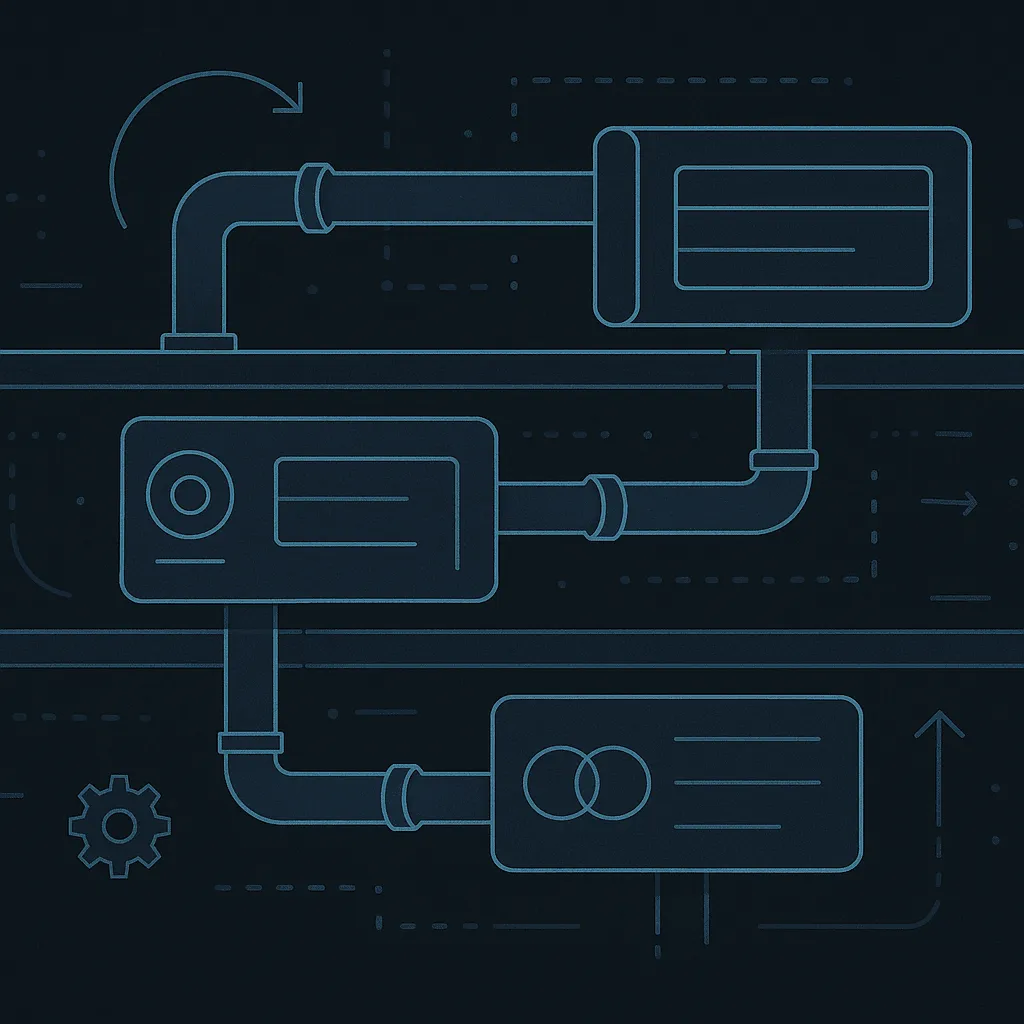
An oracle for a tokenized treasury looks superficially trivial: the fund publishes a NAV, the oracle posts it on-chain, the lending market reads it. In practice, three layers of decisions determine whether the resulting price feed is usable for liquidations.
The reference value
For an accumulating token, the natural reference is the fund’s official NAV per share, published once per business day after market close. That feed is appropriate for valuing the position but not for triggering liquidations, because it is stale by definition relative to intraday Treasury moves. Most current oracle designs therefore composite the official NAV with a model of accrued interest since the last publication, using a published yield rate as the drift parameter. The output is a price that ticks up smoothly between official prints and snaps to the published NAV when one arrives.
For a rebasing token, the on-chain balance carries the yield and the per-token price target is $1. The oracle’s job here is to verify that the redemption value is in fact near par — a check that becomes interesting only in a stress scenario where the underlying T-bills are trading away from par, for example during a debt ceiling episode or a sharp duration shock at the very front end.
The publication channel
The Block’s coverage of the VBILL integration notes that the oracle layer relies on price feeds curated by infrastructure providers rather than the issuer publishing directly to chain. That layering matters. The transfer agent is the source of truth, but the lending protocol does not want to bind its liveness to a single off-chain actor. The intermediate oracle provider takes on the job of reading the agent’s data, attesting to it, and writing it on-chain on a schedule the lending market can rely on.
The risk this layering creates is failure of the off-chain-to-on-chain handoff during exactly the moments collateral pricing matters most: a fund administrator pauses publication during a corporate action, a custodian’s reporting pipeline lags during a holiday, or a transfer agent’s systems are down. The lending market’s fallback policy in those windows — freeze, fall back to a stale-but-conservative price, or halt liquidations — is itself a credit decision the protocol is making on behalf of depositors.
Update frequency vs. liquidation cadence
DeFi liquidation engines were built to operate on price feeds that update at least every few minutes and often every block. A treasury NAV that updates once per business day is, from the engine’s perspective, effectively constant. That is not a problem when the underlying instrument’s volatility is bounded by Fed policy expectations and a known maturity wall — three-month T-bills do not gap. It becomes a problem when the collateral asset is paired against a volatile debt asset, such as ETH or a long-tail stablecoin, because all of the mark-to-market action sits on the debt leg. The liquidation threshold has to be set with that asymmetry in mind, and the close factor — how much of a position a single liquidator can seize — has to account for the fact that the collateral cannot actually be sold into a deep market within the liquidation window.
How Euler, Morpho, and Aave have curated the markets

The three venues most actively building out tokenized-RWA collateral markets have taken visibly different architectural paths. Those paths are not incidental — they reflect each protocol’s underlying model for how risk is curated and who bears it.
Euler’s vault-per-asset model
Euler v2’s design treats every market as a freely composable vault, with risk parameters set by whoever launches the vault rather than by protocol-wide governance. The VBILL integration uses this structure directly: the vault accepting VBILL as collateral is curated by a third party, parameters are public, and lenders who deposit the borrowable asset into that vault are opting into that curator’s risk choices.
The advantage of this model for an asset like VBILL is that the curator can write parameters tightly fitted to the instrument — a high LTV reflecting the low underlying volatility, paired with a long grace period before liquidation that respects the off-chain settlement constraint. The disadvantage is that the curator’s competence and economic alignment are now part of the credit stack. A lender depositing into the vault is, in effect, extending unsecured credit to the curator’s risk model, on top of the secured exposure to the borrower.
For a sophisticated participant this is a feature; the risk surface is legible and isolatable. For a retail depositor expecting Aave-style protocol guarantees it is something else, and the venue’s UX has to make that distinction loud.
Morpho’s isolated market primitive
Morpho Blue’s primitive is even more atomic: each market is a single collateral-asset pair with its own LTV, oracle, and interest rate model, immutable after deployment. Curation happens at the MetaMorpho vault layer, where allocators choose which underlying markets to expose depositors to and in what weights.
For tokenized treasuries this is, in some ways, a more natural fit than Euler’s design, because the isolated-market constraint maps cleanly onto the regulatory reality that the collateral is whitelisted and the universe of borrowers is small. A market accepting BUIDL as collateral against USDC can be sized to the issuer’s known holder base, and the MetaMorpho allocator can size its exposure based on its read of the issuer’s credit and operational risk. Several allocators have publicly leaned into this design, treating RWA-backed markets as a distinct tranche from crypto-native markets within the same vault.
The structural cost is fragmentation. Each RWA collateral asset, each oracle choice, each LTV setting produces a separate market, and liquidity does not pool across them. For instruments where holder counts may be in the low hundreds rather than tens of thousands, that fragmentation can dominate.
Aave’s governance-curated, monolithic pool
Aave’s approach to RWA collateral has been the most conservative of the three. Where Euler and Morpho allow markets to be launched permissionlessly, Aave’s monolithic v3 pool requires a governance vote to onboard a collateral type, and the asset has to fit within the protocol’s existing risk framework — supply caps, isolation mode, e-mode, and a unified liquidation flow.
For tokenized treasuries this has meant that integrations enter through carefully scoped facilities — Aave’s earlier GHO and Horizon-style RWA-focused efforts and the more recent isolation-mode listings — rather than as drop-in collateral in the main pool. The benefit is that the depositors in the main USDC or ETH market are not silently exposed to a new credit assumption. The cost is speed: getting an asset listed is a multi-week governance process, and the parameters that emerge tend toward the conservative tail of the design space.
The three approaches reflect a deeper disagreement about where risk should sit. Euler and Morpho push it outward to curators and allocators; Aave keeps it at the protocol governance layer. Tokenized RWAs, because their risk is fundamentally legal and operational rather than market-driven, may turn out to be the asset class that most exposes the tradeoffs of each model.
When real-world settlement lags on-chain liquidation

The most consequential design problem in this whole arrangement is the settlement asymmetry between the on-chain debt leg and the off-chain collateral leg. We want to spend time on it because it is the failure mode least well understood from a crypto-native perspective.
Consider a stylized position. A borrower posts $10M of an accumulating tokenized treasury and borrows $7M of USDC against it — a 70% LTV against an asset that, in normal conditions, has effectively zero volatility. The protocol’s liquidation threshold is 80%. The borrow accrues interest. For months, nothing happens; this is exactly the kind of position the asset class is designed to host.
Now imagine the liquidation threshold is breached. There are roughly three ways this can occur, and each has a different settlement profile.
The first is slow drift: borrow interest accrues faster than the implicit yield on the collateral, the LTV crosses the threshold, and the position becomes eligible for liquidation. This is the benign case. A liquidator can repay USDC and receive the collateral token at a discount, and as long as the liquidator is itself whitelisted to hold the token, the transfer settles atomically on-chain. The liquidator then carries the collateral until they can redeem it via the transfer agent the following business day, taking T+1 settlement risk and the funding cost of the position in the interim. The liquidation incentive — typically 2–5% — has to be calibrated to compensate that funding cost plus the operational overhead. This is solvable engineering.
The second is a mark-to-market event on the debt side: the borrowed asset is not USDC but ETH or a volatile stablecoin, and a price move pushes the position into liquidation territory not because the collateral fell but because the debt rose in dollar terms. Here the same liquidation flow applies, but the velocity of the debt move can compress the time available to act, and a thin liquidator base — because few addresses are whitelisted to hold the collateral — can leave the position underwater before anyone executes. This is the case for tight close factors and large incentives.
The third is the dangerous one: a discontinuity on the collateral side itself. The fund administrator suspends redemptions during a stress window — a debt ceiling impasse, a money market fund gating, a custodian operational failure, an OFAC action against a holder. The on-chain token is still transferable on the secondary market, but its true redemption value has decoupled from its quoted NAV, and the oracle is either reporting the last published NAV (now misleading) or has been frozen by its operator (now stale). Any liquidation that occurs in this window transfers a synthetic version of a frozen asset from the borrower to the liquidator, and the liquidator’s expected recovery is no longer a function of NAV but of how the off-chain situation resolves.
This is not a hypothetical class of risk; it is the same class that produced the Silicon Valley Bank weekend in March 2023, where USDC briefly depegged because the redemption channel for a small fraction of its reserves was closed for two days. A tokenized treasury fund that ever needs to gate redemptions, even briefly, will produce a similar shock — and unlike USDC, the on-chain debt against the asset cannot be socialized through a sponsor’s balance sheet.
Design responses
The protocol-level responses available are limited and unsatisfying. One is to cap exposure — supply caps that ensure no single asset can dominate a vault’s collateral base, so that a redemption gating event is a haircut rather than an insolvency. Another is to shorten the debt-side duration — limit borrows to stable assets with their own redemption channels, on the theory that the lender of last resort during a real-world stress event is the U.S. Treasury, not the lending protocol. A third is to lengthen the liquidation grace period — give the borrower a window measured in days rather than seconds to top up the position before forced sale, accepting more bad-debt risk in exchange for fewer pathological liquidations.
None of these is free, and the fact that the three major venues have made different choices among them is part of what makes this period structurally interesting.
Custody and the trust stack underneath

A point worth being blunt about: when a lending protocol accepts a tokenized treasury as collateral, it is accepting a chain of trust assumptions that the protocol cannot itself verify or enforce.
The chain runs roughly like this. The token’s redemption value depends on the fund administrator’s solvency and operational continuity. The administrator’s reporting depends on the fund custodian — a bank that holds the underlying T-bills in segregated accounts. The custodian’s segregation depends on the bank’s compliance with the relevant securities regulation. The token’s transferability depends on the issuer’s transfer agent and the allowlist it maintains. The oracle’s accuracy depends on the data provider’s pipeline from the administrator. And the protocol’s ability to actually recover value in a default scenario depends on whether a court in the relevant jurisdiction would recognize the on-chain liquidation as legally effective.
Each of these layers is, in conventional finance, addressed by a written contract, an insurance policy, and a regulatory backstop. In the on-chain wrapping, most of those instruments are inherited from the underlying fund structure but are not directly available to the lending protocol or its depositors. A depositor in a Morpho vault has a claim against the vault; the vault has a claim against the borrower; the borrower has, in principle, a claim against the fund. There is no privity of contract between the depositor and the fund.
This is not a fatal problem — it is the same legal topology that exists when a prime broker accepts a money market fund share as margin — but it does mean that the credit quality of the collateral is bounded above by the credit quality of the issuer, and the protocol has very few tools to enforce that boundary if the issuer disputes a liquidation. The largest current issuers — BlackRock, VanEck, Franklin Templeton — are large enough that the operational and reputational cost of disputing a liquidation would likely exceed any benefit, which is itself a form of soft enforcement. Whether that soft enforcement holds for the next tier of issuers, who will inevitably enter the market once the integration patterns are proven, is an open question.
Implications and open questions

The integration of tokenized treasuries into DeFi credit markets is being driven by a clear demand: borrowers who hold yield-bearing instruments do not want to liquidate them to access on-chain liquidity, and lending protocols want a collateral asset whose value is not correlated with crypto market cycles. Both motivations are sound, and the supply of these instruments is growing. The structural question is whether the wrapping survives contact with a stress event that originates outside the crypto market.
A few things we will be watching as this builds out.
The first redemption gating, whenever it happens. No major tokenized treasury has yet had to suspend redemptions in a way that decouples its on-chain quote from its true value. The first time this happens — and it will happen, even briefly, because money market funds have always occasionally needed to manage liquidity at the gates — will be the first real test of how the on-chain layer handles a discontinuity at the off-chain layer. The protocol that has shortened its grace period, frozen its oracle correctly, and capped its exposure will look prescient. The protocol that has not will socialize a loss.
The emergence of a tiered issuer market. The current cohort of issuers is large and bank-grade. As the on-chain demand grows, smaller issuers will enter — both new-entrant fund administrators and existing crypto-native firms wrapping their own treasury holdings. The lending protocols will face a choice about whether to treat all tokenized treasuries as fungible from a risk perspective or to tier them by issuer credit. Our prior is that tiering is correct and that the venues which collapse the distinction will eventually pay for it.
The legal status of on-chain liquidation. No major jurisdiction has yet ruled on whether an on-chain liquidation of a whitelisted security token is enforceable against the issuer’s records. The convenient assumption is that it is, because the transfer happens within the rules the issuer itself encoded. The inconvenient possibility is that a court in a stress scenario decides otherwise — finding, for example, that the borrower retained a beneficial interest the on-chain transfer did not extinguish. A clarifying ruling, in either direction, would meaningfully reshape the design space.
The interaction with restaking and looped strategies. Tokenized treasuries as collateral compose naturally into the kinds of looped yield strategies that dominate current on-chain credit usage. A borrower can post VBILL, borrow USDC, swap into another yield-bearing stablecoin, post that as collateral elsewhere, and repeat. The same procyclicality risk that the asset class was supposed to neutralize re-emerges through the loop. Whether the major venues add policy to discourage this — supply caps that detect re-collateralization, isolation modes that prevent it — is a design choice we expect to see contested.
What we do not expect is for this trend to reverse. The yield is real, the demand is durable, and the operational pieces — transfer agents that can write to chain, oracle providers that can price NAV, custodians that can integrate with on-chain settlement — are now built and being used in production. The interesting work over the next cycle is in the curation layer: who picks the parameters, who underwrites the issuer risk, and who is on the other side of the table when a real-world settlement delay meets an on-chain liquidation queue.
들어가며
DeFi의 역사 대부분에서 담보 자산군은 좁고 자기참조적이었다. ETH, 스테이킹된 ETH, BTC 래퍼, 몇 가지 거버넌스 토큰, 그리고 이를 담보로 받아들이는 프로토콜조차 내부 구성을 제대로 알 수 없는 스테이블코인이 전부였다. 이 자산들 위에 쌓인 신용 구조는 설계 자체가 경기순응적이다. 크립토 시장이 하락하면 담보 가치가 떨어지고, 차입 수요가 무너지며, 시스템 전체가 그것이 뒷받침해야 할 시장과 함께 수축한다.
최근 토큰화된 머니마켓 펀드들이 담보 자산으로 편입되는 움직임이 나타나고 있다. VanEck의 VBILL은 Euler에, BlackRock의 BUIDL은 늘어나는 볼트와 차입 시장 목록에, Franklin Templeton의 BENJI는 다양한 통합을 통해 자리를 잡고 있다. 업계에서는 이를 주로 수익률 이야기로 프레이밍하지만, 우리는 그 시각이 구조적으로 흥미로운 핵심을 놓치고 있다고 생각한다. 3개월물 T-bill의 수익률은 전통 시장의 사실이며, 그 수익률을 이전대리인과 ERC-20 래퍼를 통해 라우팅한다고 해서 그 자체만으로 DeFi가 달라지지는 않는다. DeFi를 바꾸는 것은 그 래퍼들이 단순한 보유 자산에 머무르지 않고 온체인 차입의 담보로 활용되는 순간이다.
이 전환은 주요 대출 플랫폼들이 이제야 공개적으로 답을 내놓기 시작한 일련의 설계 문제를 제기한다. NAV 오라클은 어떻게 구성되며, 업데이트 사이에는 무슨 일이 일어나는가? 발행사의 영업 시간 중에만, 법정화폐로, 허용 목록에 등록된 지갑에 한해 상환 가능한 자산에 대해 “청산”은 무엇을 의미하는가? 온체인 청산이 수 초 만에 완료되지만 실물 결제에 이틀이 걸릴 때 손실은 누가 부담하는가? 그리고 프로토콜은 법적으로 강제할 수 없는 규제 발행사의 신용 리스크를 어떻게 가격에 반영해야 하는가?
이 글에서는 오라클 파이프라인, 청산 경로, 커스터디 가정 등 세부 메커니즘을 살펴보고, Euler·Morpho·Aave가 이 새로운 담보 자산군을 편입하면서 내리고 있는 구조적 선택들을 비교한다.
토큰화된 국채란 실제로 무엇인가
담보화에 대해 논하기 전에, 이 토큰이 무엇을 나타내는지 정확히 짚어둘 필요가 있다. 이 기기를 담보로 취급할 때의 설계 공간은 바로 그 답에 따라 좁아지거나 넓어지기 때문이다.
토큰화된 국채 펀드는 현재 거의 모든 구현에서 규제 펀드의 지분을 래핑한 것이다. 보통 델라웨어 또는 BVI 법인, 때로는 룩셈부르크 구조를 사용하며, 단기 미국 국채·레포·머니마켓 펀드 지분을 보유한다. 토큰 자체는 ERC-20(또는 동등한 표준)으로, 발행사 또는 이전대리인이 관리하는 허용 목록에 의해 전송 로직이 통제된다. 보유자는 KYC를 완료한 등록 가입자다. 이 토큰은 법적 의미의 무기명 증권이 아니다. 온체인에서는 그처럼 작동하지만, 발행사는 규정 위반 전송을 동결·강제 상환·무효화할 권리를 실제로 보유한다.
수익률은 두 가지 구조적 방식으로 발생한다.
- 리베이싱. 토큰 잔액이 시간에 따라 증가하여 발생 이자를 반영하며, 가격은 1달러 근방에 고정된다. BUIDL은 추가 토큰으로 지급되는 일별 배당 방식을 사용한다.
- 누적형. 토큰 공급량은 고정되고 토큰당 NAV가 상승한다. VBILL과 Franklin Templeton의 여러 상품이 이 방식을 채택하며, 총수익 투자자를 위한 전통적인 머니마켓 쉐어 클래스의 작동 방식과 유사하다.
이 차이는 자산을 대출 시장에 연결할 때 단순한 외형의 문제가 아니다. 리베이싱 토큰은 대출 프로토콜이 리베이스를 예금자에게 전달하거나 볼트 레이어에서 캡처하도록 요구한다. 둘 다 해결된 문제이지만, 각각 수수료와 회계상의 결과를 수반한다. 누적형 토큰은 공식 발표 주기 사이에 NAV를 추적하는 오라클을 필요로 한다. 그게 없으면 차입 가능한 LTV를 하루치 미관측 변동을 흡수할 만큼 보수적으로 설정해야 한다.
구독 및 상환 흐름은 전적으로 오프체인에서 이루어진다. 현금이 필요한 보유자는 이전대리인에게 지시를 보내고, 대리인은 결제 확인 후 토큰을 소각하며, USD는 마감 시간에 따라 T+0 또는 T+1로 펀드 계좌에서 출금된다. 원자적 온체인 상환은 없으며, 의미 있는 깊이를 가진 중앙화 거래소의 2차 시장도 존재하지 않다. 이 하나의 사실—빠른 출구가 다른 허용 목록 보유자와의 비공개 OTC 거래 외에는 없다는 것—이 모든 담보화 설계가 우회해야 하는 제약이다.
오라클 파이프라인
토큰화된 국채의 오라클은 표면적으로는 단순해 보인다. 펀드가 NAV를 발표하면, 오라클이 이를 온체인에 게시하고, 대출 시장이 이를 읽는다. 하지만 실제로는 세 겹의 설계 결정이 그 결과 가격 피드를 청산에 사용할 수 있는지를 결정한다.
기준 값
누적형 토큰의 경우, 자연스러운 기준은 장 마감 후 매 영업일 한 번 발표되는 펀드의 공식 주당 NAV다. 이 피드는 포지션 평가에는 적합하지만 청산 트리거에는 적합하지 않다. 정의상 장중 국채 가격 움직임에 비해 이미 낡은 값이기 때문이다. 따라서 현재 대부분의 오라클 설계는 공식 NAV에 마지막 발표 이후 발생 이자 모델을 결합하는데, 공시 수익률을 드리프트 파라미터로 사용한다. 결과물은 공식 발표 사이에 부드럽게 올라가다가 새 발표가 도착하면 공식 NAV로 스냅되는 가격이다.
리베이싱 토큰의 경우, 온체인 잔액이 수익률을 담으므로 토큰당 가격 목표는 1달러다. 여기서 오라클의 역할은 상환 가치가 실제로 액면에 가까운지를 검증하는 것으로, 부채 한도 공방이나 초단기 영역의 급격한 듀레이션 충격처럼 기초 T-bill이 액면에서 이탈하는 스트레스 시나리오에서만 흥미로운 문제가 된다.
발표 채널
The Block의 VBILL 통합 관련 보도에 따르면, 오라클 레이어는 발행사가 체인에 직접 게시하는 것이 아니라 인프라 제공자가 관리하는 가격 피드에 의존한다. 이 중간 레이어는 중요하다. 이전대리인이 진실의 원천이지만, 대출 프로토콜은 단일 오프체인 주체에 자신의 활성화를 묶고 싶지 않다. 중간 오라클 제공자가 대리인 데이터를 읽고, 이를 증명하고, 대출 시장이 신뢰할 수 있는 일정에 따라 온체인에 기록하는 역할을 맡는다.
이 중간 레이어가 만드는 리스크는 담보 가격이 가장 중요한 순간, 즉 오프체인-온체인 전달이 실패하는 순간에 발생한다. 펀드 관리자가 기업 행위 중 발표를 중단하거나, 공휴일에 커스터디언의 보고 파이프라인이 지연되거나, 이전대리인 시스템이 다운될 수 있다. 이러한 공백 기간에 대출 시장이 취하는 폴백 정책—동결, 낡지만 보수적인 가격으로 폴백, 청산 중단—은 그 자체로 프로토콜이 예금자를 대신해 내리는 신용 판단이다.
업데이트 주기 대 청산 주기
DeFi 청산 엔진은 최소 몇 분마다, 많은 경우 매 블록마다 업데이트되는 가격 피드를 기반으로 작동하도록 설계되었다. 영업일당 한 번 업데이트되는 국채 NAV는 엔진의 관점에서 사실상 고정값이다. 기초 상품의 변동성이 연준 정책 기대치와 알려진 만기 구조에 의해 제한될 때—3개월물 T-bill은 갭이 생기지 않는다—이는 문제가 되지 않는다. 그러나 담보 자산이 ETH나 롱테일 스테이블코인 같은 변동성 높은 부채 자산과 쌍을 이룰 때 문제가 된다. 모든 시가 평가 움직임이 부채 레그에 집중되기 때문이다. 청산 임계값은 이 비대칭성을 고려하여 설정해야 하며, 청산자가 한 번에 압류할 수 있는 비율인 close factor는 담보를 실제로 청산 창 안에 깊은 시장에 팔 수 없다는 사실을 반영해야 한다.
Euler·Morpho·Aave의 시장 편입 방식
토큰화된 실물자산(RWA) 담보 시장을 가장 적극적으로 구축하는 세 플랫폼은 눈에 띄게 다른 아키텍처 경로를 택했다. 이는 우연이 아니라 각 프로토콜의 리스크 큐레이션 모델과 리스크 귀속 방식에 대한 기본 관점을 반영한다.
Euler의 자산별 볼트 모델
Euler v2 설계는 모든 시장을 자유롭게 조합 가능한 볼트로 취급하며, 리스크 파라미터는 프로토콜 전체 거버넌스가 아닌 볼트를 개설하는 주체가 설정한다. VBILL 통합은 이 구조를 그대로 활용한다. VBILL을 담보로 받는 볼트는 제3자가 관리하며, 파라미터는 공개되고, 차입 가능 자산을 볼트에 예치하는 대출자는 해당 큐레이터의 리스크 선택을 수용하는 것이다.
이 모델이 VBILL 같은 자산에 주는 이점은 큐레이터가 상품에 딱 맞는 파라미터를 설정할 수 있다는 것이다. 낮은 기초 변동성을 반영한 높은 LTV와, 오프체인 결제 제약을 존중하는 긴 청산 유예 기간을 함께 설정할 수 있다. 단점은 큐레이터의 역량과 경제적 정렬이 이제 신용 스택의 일부가 된다는 것이다. 볼트에 예치하는 대출자는 사실상 담보 자산에 대한 담보부 익스포저 위에, 큐레이터의 리스크 모델에 대한 무담보 신용을 제공하는 셈이다.
정교한 참여자에게 이는 장점이다. 리스크 표면이 명확하고 분리 가능하다. Aave 수준의 프로토콜 보증을 기대하는 소매 예금자에게는 전혀 다른 이야기이며, 플랫폼의 UX가 그 차이를 분명히 드러내야 한다.
Morpho의 격리 시장 프리미티브
Morpho Blue의 프리미티브는 더욱 원자적이다. 각 시장은 하나의 담보-자산 쌍으로 구성되며, 자체 LTV·오라클·이자율 모델을 갖고 배포 후에는 불변이다. 큐레이션은 MetaMorpho 볼트 레이어에서 이루어지며, 알로케이터가 예금자를 어떤 기초 시장에 어느 비중으로 노출할지 결정한다.
토큰화된 국채에는 어떤 면에서 Euler 설계보다 더 자연스러운 구조다. 격리 시장 제약이 담보가 허용 목록 방식이고 차입자 풀이 소규모라는 규제적 현실과 깔끔하게 맞아떨어지기 때문이다. BUIDL을 USDC의 담보로 받는 시장은 발행사의 알려진 보유자 기반에 맞게 규모를 조정할 수 있고, MetaMorpho 알로케이터는 발행사의 신용·운영 리스크 평가를 기반으로 익스포저를 조정할 수 있다. 여러 알로케이터가 이 설계를 공개적으로 채택하며, 동일 볼트 내에서 RWA 담보 시장을 크립토 네이티브 시장과 별도의 트랜치로 취급하고 있다.
구조적 비용은 파편화다. RWA 담보 자산마다, 오라클 선택마다, LTV 설정마다 별도의 시장이 생기며, 유동성이 그 사이에 모이지 않는다. 보유자 수가 수만 명이 아니라 수백 명 수준인 상품에서 이 파편화는 지배적인 문제가 될 수 있다.
Aave의 거버넌스 주도 단일 풀
RWA 담보에 대한 Aave의 접근법은 셋 중 가장 보수적이다. Euler와 Morpho가 무허가 방식으로 시장 개설을 허용하는 반면, Aave의 단일 v3 풀은 담보 유형 편입에 거버넌스 투표를 요구하며, 자산이 공급 한도·격리 모드·e-mode·통합 청산 흐름 등 기존 리스크 프레임워크에 부합해야 한다.
토큰화된 국채의 경우, 메인 풀에 직접 담보로 편입되기보다는 신중하게 범위를 제한한 방식으로 통합이 이루어졌다. Aave의 GHO 및 Horizon 스타일 RWA 전용 이니셔티브와 최근의 격리 모드 등록이 그 예다. 이 방식의 장점은 메인 USDC 또는 ETH 시장의 예금자가 새로운 신용 가정에 조용히 노출되지 않는다는 것이다. 비용은 속도다. 자산 등록은 수 주에 걸친 거버넌스 프로세스이며, 결과 파라미터는 설계 공간의 보수적 끝단에 수렴하는 경향이 있다.
세 가지 접근법은 리스크가 어디에 위치해야 하는가에 대한 더 깊은 견해 차이를 반영한다. Euler와 Morpho는 리스크를 큐레이터와 알로케이터에게 외부화하고, Aave는 프로토콜 거버넌스 레이어에 유지한다. 토큰화된 RWA는 리스크가 시장 기반이 아니라 본질적으로 법적·운영적 성격을 띠기 때문에, 각 모델의 트레이드오프를 가장 명확하게 드러낼 자산 군이 될 수 있다.
실물 결제가 온체인 청산에 뒤처질 때
이 구조 전체에서 가장 중요한 설계 문제는 온체인 부채 레그와 오프체인 담보 레그 사이의 결제 비대칭이다. 이것이 크립토 네이티브 관점에서 가장 잘 이해되지 않은 실패 모드이기 때문에 충분히 다루려 한다.
단순화된 포지션을 가정해보자. 차입자가 1,000만 달러어치의 누적형 토큰화 국채를 예치하고 700만 달러의 USDC를 차입한다. 사실상 변동성이 없는 자산에 대한 70% LTV다. 프로토콜의 청산 임계값은 80%다. 차입 이자가 발생한다. 수 개월 동안 아무 일도 일어나지 않는다. 이것이 바로 이 자산군이 설계상 호스팅하도록 만들어진 포지션이다.
이제 청산 임계값이 돌파된다고 가정하자. 이 상황이 발생하는 방식은 대략 세 가지이며, 각각 다른 결제 프로파일을 갖는다.
첫 번째는 완만한 드리프트다. 차입 이자가 담보의 내재 수익률보다 빠르게 쌓여 LTV가 임계값을 넘고 포지션이 청산 대상이 된다. 이는 양성적인 경우다. 청산자가 USDC를 상환하고 할인된 가격에 담보 토큰을 받을 수 있으며, 청산자가 해당 토큰을 보유할 수 있는 허용 목록에 등록되어 있다면 전송이 온체인에서 원자적으로 결제된다. 청산자는 그 다음 영업일 이전대리인을 통해 상환할 수 있을 때까지 담보를 보유하며, T+1 결제 리스크와 그 기간의 자금 조달 비용을 부담한다. 청산 인센티브—일반적으로 2~5%—는 이 자금 조달 비용과 운영 비용을 보상하도록 보정해야 한다. 이는 해결 가능한 엔지니어링 문제다.
두 번째는 부채 레그의 시가 평가 이벤트다. 차입 자산이 USDC가 아니라 ETH나 변동성 높은 스테이블코인이고, 담보가 하락해서가 아니라 부채가 달러 기준으로 상승하면서 포지션이 청산 영역에 진입하는 경우다. 동일한 청산 흐름이 적용되지만, 부채 움직임의 속도가 대응 시간을 압박할 수 있다. 담보를 보유할 수 있는 주소가 소수에 불과해 청산자 풀이 얕을 경우, 누군가 실행하기 전에 포지션이 손실 상태가 될 수 있다. 이 경우 타이트한 close factor와 큰 인센티브가 필요하다.
세 번째가 가장 위험한 경우다. 담보 레그 자체의 불연속성이 발생한다. 펀드 관리자가 스트레스 구간에 상환을 중단하는 것이다. 부채 한도 교착, 머니마켓 펀드 게이팅, 커스터디언 운영 장애, 보유자에 대한 OFAC 조치 등이 그 예다. 온체인 토큰은 2차 시장에서 여전히 전송 가능하지만, 실제 상환 가치가 공시 NAV에서 이탈했고, 오라클은 마지막으로 공시된 NAV(이제 오해를 유발)를 보고하거나 운영자에 의해 동결(이제 낡은 값)된 상태다. 이 구간에서 발생하는 청산은 동결된 자산의 합성 버전을 차입자에서 청산자로 이전하는 것이며, 청산자의 예상 회수율은 더 이상 NAV의 함수가 아니라 오프체인 상황이 어떻게 해결되느냐에 달려 있다.
이것은 가상의 리스크 범주가 아니다. 2023년 3월 실리콘밸리은행 사태가 바로 이 범주에서 발생했다. USDC의 소규모 준비금 상환 채널이 이틀간 닫히면서 USDC가 잠시 디페깅을 경험했다. 비록 일시적이라도 상환을 게이팅해야 하는 토큰화 국채 펀드는 유사한 충격을 만들어낼 것이다. 그리고 USDC와 달리, 해당 자산에 대한 온체인 부채는 스폰서의 대차대조표를 통해 손실 분담 방식으로 처리될 수 없다.
설계적 대응
사용 가능한 프로토콜 수준의 대응책은 제한적이고 만족스럽지 않다. 하나는 익스포저 상한 설정이다. 단일 자산이 볼트 담보 기반을 지배하지 못하도록 공급 한도를 설정함으로써, 상환 게이팅 이벤트가 파산이 아닌 헤어컷으로 머물게 한다. 다른 하나는 부채 레그의 듀레이션 단축이다. 차입을 자체 상환 채널이 있는 안정 자산에 한정함으로써, 실물 스트레스 이벤트 발생 시 최후의 대출자가 대출 프로토콜이 아닌 미국 재무부가 되도록 한다. 세 번째는 청산 유예 기간 연장이다. 강제 매각 전에 차입자가 포지션을 보충할 수 있는 창을 초 단위가 아닌 일 단위로 부여함으로써, 불량 부채 리스크를 더 감수하는 대신 병리적 청산을 줄인다.
이 중 공짜는 없으며, 주요 세 플랫폼이 서로 다른 선택을 했다는 사실 자체가 이 시기를 구조적으로 흥미롭게 만드는 이유 중 하나다.
커스터디와 그 아래의 신뢰 스택
솔직하게 짚어둘 점이 있다. 대출 프로토콜이 토큰화된 국채를 담보로 수용할 때, 프로토콜 자체가 검증하거나 집행할 수 없는 신뢰 가정의 연쇄를 수용하는 것이다.
그 연쇄는 대략 다음과 같다. 토큰의 상환 가치는 펀드 관리자의 지급 능력과 운영 연속성에 달려 있다. 관리자의 보고는 펀드 커스터디언, 즉 분리 계좌에 기초 T-bill을 보유하는 은행에 의존한다. 커스터디언의 분리는 그 은행이 관련 증권 규정을 준수하는 데 달려 있다. 토큰의 전송 가능성은 발행사의 이전대리인과 그것이 관리하는 허용 목록에 달려 있다. 오라클의 정확성은 데이터 제공자의 관리자 연결 파이프라인에 달려 있다. 그리고 채무 불이행 시 프로토콜이 실제 가치를 회수할 수 있는지는 관련 관할권의 법원이 온체인 청산을 법적으로 유효한 것으로 인정하는지에 달려 있다.
전통 금융에서 이 각각의 레이어는 서면 계약, 보험 증권, 규제 안전장치로 처리된다. 온체인 래핑에서는 이러한 수단들이 대부분 기초 펀드 구조로부터 상속되지만, 대출 프로토콜이나 예금자가 직접 이용할 수 있는 것은 아니다. Morpho 볼트의 예금자는 볼트에 청구권을 갖고, 볼트는 차입자에게 청구권을 갖고, 차입자는 원칙적으로 펀드에 청구권을 갖는다. 예금자와 펀드 사이에는 계약 관계가 없다.
이것은 치명적인 문제가 아니다. 프라임 브로커가 머니마켓 펀드 지분을 증거금으로 받을 때와 동일한 법적 구조다. 하지만 담보의 신용 품질이 발행사의 신용 품질을 상한으로 한다는 것을 의미하며, 발행사가 청산에 이의를 제기할 경우 프로토콜이 그 경계를 집행할 수단이 거의 없다. 현재의 주요 발행사들—BlackRock, VanEck, Franklin Templeton—은 청산에 이의를 제기할 때의 운영·평판 비용이 이익을 초과할 만큼 규모가 크다. 이것 자체가 일종의 연성 집행 메커니즘이다. 통합 패턴이 검증된 후 필연적으로 시장에 진입하게 될 차세대 발행사들에 대해서도 이 연성 집행이 유지될지는 열린 질문이다.
시사점과 미해결 질문들
토큰화된 국채의 DeFi 신용 시장 통합은 명확한 수요에 의해 추진되고 있다. 수익률 창출 자산을 보유한 차입자는 온체인 유동성 확보를 위해 그것을 청산하고 싶지 않으며, 대출 프로토콜은 크립토 시장 사이클과 상관관계가 없는 담보 자산을 원한다. 두 동기 모두 타당하며, 이러한 상품의 공급은 증가하고 있다. 구조적 질문은 이 래핑이 크립토 시장 외부에서 발생하는 스트레스 이벤트와 충돌할 때 살아남을 수 있느냐다.
앞으로 지켜볼 몇 가지를 정리한다.
첫 번째 상환 게이팅이 발생하는 순간. 아직 주요 토큰화 국채 중 온체인 호가와 실제 가치가 괴리될 만큼의 상환 중단이 발생한 사례는 없다. 이것이 처음 일어날 때—언제가 됐든 반드시 일어날 것이다. 머니마켓 펀드는 항상 간헐적으로 유동성 관리가 필요했으니—는 온체인 레이어가 오프체인 레이어의 불연속성을 어떻게 처리하는지에 대한 첫 번째 실전 시험이 될 것이다. 유예 기간을 단축하고, 오라클을 올바르게 동결하고, 익스포저를 제한한 프로토콜은 선견지명이 있었다는 평을 받을 것이다. 그렇지 않은 프로토콜은 손실 분담을 하게 될 것이다.
계층화된 발행사 시장의 등장. 현재 발행사 코호트는 대규모 은행 수준이다. 온체인 수요가 성장함에 따라 더 작은 발행사들이 진입할 것이다. 새로 진입하는 펀드 관리자와 자체 국채 보유분을 래핑하는 기존 크립토 네이티브 기업 모두 포함된다. 대출 프로토콜들은 모든 토큰화 국채를 리스크 관점에서 동등하게 취급할지, 아니면 발행사 신용도에 따라 계층화할지 선택에 직면하게 될 것이다. 우리의 사전 확률은 계층화가 올바르다는 것이며, 이 구분을 무시하는 플랫폼은 결국 그 대가를 치를 것이라고 본다.
온체인 청산의 법적 지위. 아직 어떤 주요 관할권도 허용 목록 기반 증권 토큰의 온체인 청산이 발행사 기록에 대해 집행력이 있는지 판결한 바 없다. 편리한 가정은 집행력이 있다는 것이다. 발행사 자신이 인코딩한 규칙 내에서 전송이 이루어지기 때문이다. 불편한 가능성은 스트레스 시나리오에서 법원이 다르게 판단하는 것이다. 예컨대, 차입자가 온체인 전송으로 소멸되지 않은 수익적 이익을 보유했다고 판결할 수 있다. 어느 방향으로든 명확한 판결이 나온다면 설계 공간을 의미 있게 재편할 것이다.
리스테이킹 및 루프 전략과의 상호작용. 담보로서의 토큰화 국채는 현재 온체인 신용 사용을 지배하는 루프 수익률 전략과 자연스럽게 결합된다. 차입자가 VBILL을 예치하고 USDC를 차입해 다른 수익률 창출 스테이블코인으로 스왑하고, 이를 다른 곳의 담보로 예치하고 반복하는 식이다. 이 자산군이 중화하기로 되어 있던 경기순응성 리스크가 루프를 통해 재등장한다. 주요 플랫폼들이 재담보화를 탐지하는 공급 한도나 이를 방지하는 격리 모드 등 이를 억제하는 정책을 추가할지는 앞으로 논쟁이 예상되는 설계 선택이다.
우리가 예상하지 않는 것은 이 흐름이 역전되는 것이다. 수익률은 실재하고, 수요는 지속적이며, 운영 인프라—체인에 기록 가능한 이전대리인, NAV를 가격에 반영할 수 있는 오라클 제공자, 온체인 결제와 통합 가능한 커스터디언—는 이미 구축되어 실제로 활용 중이다. 다음 사이클의 흥미로운 작업은 큐레이션 레이어에 있다. 누가 파라미터를 설정하고, 누가 발행사 리스크를 인수하며, 실물 결제 지연이 온체인 청산 큐와 충돌하는 순간 테이블 맞은편에 앉아 있는 것은 누구인가.
はじめに
DeFi の歴史の大半において、担保の選択肢は狭く自己言及的だった。ETH、ステーキング済み ETH、BTC のラッパー、一握りのガバナンストークン、そしてそれ自体の裏付けがプロトコルにとってブラックボックスであるステーブルコイン。これらの資産の上に積み上げられた信用の積層構造は、設計上プロシクリカルだ。暗号資産市場が下落すれば担保価値が落ち、借り入れ需要が崩れ、システムはそれが支えるべき市場と連動して収縮する。
最近、トークン化されたマネー・マーケット・ファンド(VanEck の VBILL を Euler へ、BlackRock の BUIDL を急増するボールトと借り入れ市場へ、Franklin Templeton の BENJI をさまざまな統合経由で)を受け入れる動きが広まっているが、業界の報道ではもっぱら利回りの話として語られている。私たちはそのフレーミングが、構造的に重要な部分を見落としていると考える。3 ヵ月物 T-bill の利回りは伝統的市場における事実であり、それを振替代理人と ERC-20 ラッパーを通して流しても、それ自体では DeFi は変わらない。DeFi を変えるのは、それらのラッパーが単なる保有物であることをやめ、オンチェーンの借り入れに対する担保として差し入れられる瞬間だ。
この転換は、主要なレンディング市場がようやく公に向き合い始めた一連の設計上の問題を提起する。NAV オラクルはどう構築され、更新と更新の間に何が起きるのか。オンチェーンでは数秒で清算が完了するが、現実の決済には 2 日かかる場合、誰が損失を被るのか。プロトコルは、法的に強制執行できない規制対象の発行体の信用リスクをどう価格付けすべきか。本稿ではオラクルパイプライン、清算経路、カストディの前提といった仕組みを詳しく見たうえで、Euler、Morpho、Aave がこの新しい担保クラスをどのように整備しているかを比較する。
トークン化されたトレジャリーとは何か
担保化について論じる前に、トークンが何を表しているかを正確に定義しておく必要がある。この点の理解次第で、これらの商品を担保として扱う設計空間が大きく広がるか、あるいは大きく狭まるかが決まるからだ。
トークン化トレジャリー・ファンドは、ほぼすべての現行実装において、規制対象ファンドへの持分をラップしたものだ。典型的にはデラウェア州または英領バージン諸島のビークル、場合によってはルクセンブルク構造を用いており、短期米国債、レポ取引、あるいはマネー・マーケット・ファンドの持分を保有する。トークン自体は ERC-20(またはそれに準ずるもの)で、その移転ロジックは発行体または振替代理人が管理するアローリストによって制限されている。保有者は KYC を経た登録加入者だ。トークンは機械的には無記名証券のように振る舞うが、法的な意味での無記名証券ではない。発行体は、コンプライアンス規則に違反した移転を凍結・強制償還・無効化する権限を持っており、実際にそれを行使する。
利回りは 2 つの構造パターンのいずれかで発生する。
- リベーシング型。 発生した利息を反映してトークン残高が増加し、トークン価格は 1 ドル近傍に固定される。BUIDL は追加トークンとして日次配当を支払う方式を採用している。
- アキュムレーティング型。 トークン供給量は固定され、1 トークンあたりの NAV が上昇する。VBILL および Franklin Templeton の複数商品がこのパターンに従う。これはトータルリターン投資家向けの伝統的なマネー・マーケット・ファンドのシェアクラスに近い仕組みだ。
この違いは、資産をレンディング市場に組み込む際に見た目以上に重要だ。リベーシング型トークンは、プロトコルがリベースを預金者に還流させるか、ボールト層で取り込むかを選択しなければならない。どちらも解決済みの問題だが、手数料と会計処理にそれぞれ影響を及ぼす。アキュムレーティング型トークンは、公式の発行ウィンドウの間に NAV を追跡するオラクルを必要とする。オラクルがなければ、借入可能 LTV は 1 日分の観測されていない乖離を吸収できるよう保守的に設定しなければならない。
申込と換金のフローは完全にオフチェーンで行われる。現金化を望む保有者が振替代理人に指示を送り、代理人は決済確認後にトークンをバーンし、ファンドの銀行口座からカットオフ時間に応じて T+0 または T+1 で USD が振り込まれる。原子的なオンチェーン換金は存在せず、中央集権型取引所における意味のある深さのセカンダリーマーケットも存在しない。この一点——他のホワイトリスト登録済み保有者への相対 OTC 売却以外に迅速な出口がない——が、すべての担保化設計が対処しなければならない制約だ。
オラクルパイプライン
トークン化トレジャリーのオラクルは表面上は単純に見える。ファンドが NAV を公表し、オラクルがそれをオンチェーンに投稿し、レンディング市場がそれを参照する。だが実際には、3 つの層の設計判断によって、結果として得られる価格フィードが清算に使えるものかどうかが決まる。
参照値の設計
アキュムレーティング型トークンの場合、最も自然な参照値はファンドが市場終了後に 1 営業日 1 回公表する 1 口あたり公式 NAV だ。そのフィードはポジション評価には適しているが、清算のトリガーには適していない。日中の国債価格動向に対して定義上スタールになるからだ。そのため現在ほとんどのオラクル設計では、公式 NAV と直近公表以降の経過利息のモデルを合成し、公表利回りをドリフトパラメータとして用いる。その結果、価格は公式公表の間も滑らかに上昇し続け、公式 NAV が届いた際にそれに吸着する。
リベーシング型トークンの場合、利回りはオンチェーン残高に反映され、1 トークンあたりの価格目標は 1 ドルだ。オラクルの役割は換金価値が実際にパー近傍にあることを確認することであり、この確認が重要になるのは、例えばデット・シーリング問題や短期ゾーンの急激なデュレーションショックのような、原資産の T-bill がパーから乖離するストレス局面に限られる。
公開チャネル
The Block の VBILL 統合に関するレポートによれば、オラクル層は発行体が直接オンチェーンに公開するのではなく、インフラプロバイダーが整備した価格フィードに依拠している。この層構造は重要だ。振替代理人が真実の情報源だが、レンディングプロトコルはその稼働を単一のオフチェーンアクターに依存させたくない。中間のオラクルプロバイダーが代理人のデータを読み取り、それを証明し、レンディング市場が信頼できるスケジュールでオンチェーンに書き込む役割を担う。
この層構造が生むリスクは、担保の価格付けが最も重要な局面——まさにその瞬間——に、オフチェーンからオンチェーンへのハンドオフが失敗することだ。ファンド管理者がコーポレートアクション中に公表を停止したり、カストディアンの報告パイプラインが休日にラグしたり、振替代理人のシステムがダウンしたりする可能性がある。そうした窓においてレンディング市場が取るフォールバック方針——凍結するか、古くとも保守的な価格にフォールバックするか、清算を停止するか——は、プロトコルが預金者に代わって行うクレジット上の意思決定だ。
更新頻度と清算ケイデンスのミスマッチ
DeFi の清算エンジンは、数分おき、しばしばブロックごとに更新される価格フィードを前提に設計されている。1 営業日 1 回更新されるトレジャリー NAV は、エンジンの観点からは事実上一定値だ。原資産のボラティリティが Fed の政策期待と既知の満期構造によって抑制されている場合——3 ヵ月物 T-bill は突然ギャップしない——それ自体は問題ではない。だが担保資産が ETH や長いテールのステーブルコインといったボラタイルな負債資産と組み合わせられる場合には問題が生じる。時価評価の変動はすべて負債サイドに集中するからだ。清算閾値はこの非対称性を念頭に置いて設定する必要があり、クローズファクター——1 人の清算者が 1 回で差し押さえられる量——は、清算ウィンドウ内に深い市場で担保を実際に売却できないという事実を考慮に入れなければならない。
Euler、Morpho、Aave による市場の整備
トークン化 RWA の担保市場を最も積極的に構築している 3 つの会場は、明確に異なるアーキテクチャの経路を歩んでいる。その経路は偶然ではなく、各プロトコルがリスクをどのように整備し、誰が負担するかという根本的な考え方を反映している。
Euler のボールト・パー・アセット・モデル
Euler v2 の設計は、すべての市場を自由に組み合わせ可能なボールトとして扱い、リスクパラメータはプロトコル全体のガバナンスではなく、ボールトを立ち上げた者が設定する。VBILL 統合はこの構造を直接活用している。VBILL を担保として受け入れるボールトはサードパーティがキュレートし、パラメータは公開されており、借入可能資産をそのボールトに預けるレンダーはそのキュレーターのリスク判断に同意することになる。
このモデルの VBILL のような資産に対する利点は、キュレーターが当該商品にぴったりフィットしたパラメータを書けることだ——低い原資産ボラティリティを反映した高い LTV と、オフチェーン決済制約を考慮した長めの清算猶予期間を組み合わせることができる。欠点は、キュレーターの能力と経済的アラインメントが信用の積層構造に組み込まれることだ。ボールトに預金するレンダーは実質的に、担保付きの借り手へのエクスポージャーに加えて、キュレーターのリスクモデルへの無担保信用を提供していることになる。
洗練された参加者にとってこれは特徴だ。リスクの表面が見え、分離可能だからだ。Aave 方式のプロトコル保証を期待するリテール預金者にとってはまったく別の話であり、この区別を UX ではっきり伝えなければならない。
Morpho のアイソレーテッド・マーケット・プリミティブ
Morpho Blue のプリミティブはさらに原子的だ。各マーケットは単一の担保・資産ペアで構成され、独自の LTV、オラクル、金利モデルを持ち、デプロイ後は変更不可能だ。キュレーションは MetaMorpho ボールト層で行われ、アロケーターがどのアンダーライングマーケットに預金者をさらすか、どの比率で行うかを選択する。
トークン化トレジャリーにとって、これはある意味で Euler の設計よりも自然なフィットだ。アイソレーテッド・マーケットという制約が、担保がホワイトリスト制で借り手の範囲が限定されるという規制上の実態にきれいに対応するからだ。BUIDL を USDC に対する担保として受け入れるマーケットは、発行体の既知の保有者層に合わせてサイジングでき、MetaMorpho のアロケーターは発行体の信用リスクと業務リスクの評価に基づいてエクスポージャーを調整できる。複数のアロケーターがこの設計を公に採用し、同一ボールト内で RWA 担保マーケットを暗号ネイティブなマーケットとは別のトランシェとして扱っている。
構造的なコストは断片化だ。RWA 担保資産ごと、オラクル選択ごと、LTV 設定ごとに別々のマーケットが生まれ、流動性はそれらをまたがってプールされない。保有者数が数万ではなく数百という規模の商品では、この断片化が支配的な問題になりうる。
Aave のガバナンス主導型・モノリシックプール
トークン化 RWA 担保に対する Aave のアプローチは 3 者の中で最も保守的だ。Euler と Morpho がパーミッションレスなマーケット立ち上げを許可するのに対し、Aave のモノリシックな v3 プールは担保タイプのオンボーディングにガバナンス投票を必要とし、資産はプロトコルの既存リスクフレームワーク——供給上限、アイソレーションモード、e-mode、統一清算フロー——に適合しなければならない。
トークン化トレジャリーにとってこれは、メインプールへの直接組み込みではなく、慎重にスコープされたファシリティ——Aave の GHO や Horizon スタイルの RWA 重視の取り組み、そして最近のアイソレーションモードへの上場——を通じて統合が進んでいることを意味する。利点は、メインの USDC または ETH マーケットの預金者が新たな信用前提に暗黙的にさらされないことだ。コストは速度だ。資産の上場には数週間のガバナンスプロセスが必要で、結果として出てくるパラメータは設計空間の保守的な端に偏りがちだ。
3 つのアプローチはリスクをどこに置くべきかについての深い意見の相違を反映している。Euler と Morpho はリスクをキュレーターやアロケーターに外部化し、Aave はそれをプロトコルのガバナンス層に留める。トークン化 RWA は、そのリスクが市場的というより本質的に法的・業務的なものであるがゆえに、各モデルのトレードオフを最もよく浮き彫りにする資産クラスになるかもしれない。
現実の決済がオンチェーン清算に遅れるとき
この仕組み全体で最も重大な設計上の問題は、オンチェーンの負債サイドとオフチェーンの担保サイドの間の決済非対称性だ。暗号ネイティブな視点からは最も理解されていない障害モードであるため、ここで詳しく検討する。
スタイライズされたポジションを考えてみよう。借り手がアキュムレーティング型のトークン化トレジャリー 1,000 万ドルを差し入れ、それに対して 700 万ドルの USDC を借りる。通常の状況では事実上ゼロのボラティリティを持つ資産に対する 70% の LTV だ。プロトコルの清算閾値は 80%。借り入れは利息を発生させる。何ヵ月もの間、何も起きない。まさにこのような資産クラスが意図するポジションだ。
さて、清算閾値が突破されたとしよう。これが起きる経路は大きく 3 つあり、それぞれ異なる決済プロファイルを持つ。
第一は緩慢なドリフトだ。借り入れ利息が担保の暗黙の利回りより速く積み上がり、LTV が閾値を超えてポジションが清算対象になる。これは良性のケースだ。清算者は USDC を返済してディスカウントで担保トークンを受け取ることができ、清算者自身がそのトークンの保有者としてホワイトリストに登録されている限り、移転はオンチェーンで原子的に決済される。清算者はその後、翌営業日に振替代理人経由で換金できるまで担保を保有し、T+1 の決済リスクと期間中のポジションの資金調達コストを負う。清算インセンティブ——通常 2〜5%——はその資金調達コストと業務上の諸費用を補償するよう調整しなければならない。これは解決可能なエンジニアリングの問題だ。
第二は負債サイドの時価評価イベントだ。借入資産が USDC ではなく ETH やボラタイルなステーブルコインであり、価格変動によって担保が下落したのではなく負債のドル建て評価が上昇してポジションが清算域に入る。同じ清算フローが適用されるが、負債の動きの速さが行動可能な時間を圧縮し、担保を保有できるホワイトリスト登録アドレスが少ないことで清算者層が薄くなり、誰も執行しないうちにポジションが水面下に沈む可能性がある。これはタイトなクローズファクターと大きなインセンティブが必要なケースだ。
第三は危険なケースだ。担保サイド自体の不連続。ファンド管理者がストレス局面——デット・シーリングの膠着、マネー・マーケット・ファンドのゲーティング、カストディアンの業務障害、保有者に対する OFAC の措置——の中で換金を停止する。オンチェーントークンはセカンダリーマーケットで依然移転可能だが、その真の換金価値は提示 NAV から乖離しており、オラクルは最後に公表された NAV(今や誤解を招く)を報告しているか、オペレーターによって凍結されて陳腐化しているかのどちらかだ。この窓で行われた清算はいずれも、凍結された資産の合成版を借り手から清算者に移転するに過ぎず、清算者が期待するリカバリーはもはや NAV の関数ではなく、オフチェーンの状況がどのように解決するかによる。
これは仮定のリスククラスではない。2023 年 3 月のシリコンバレー銀行の週末と同じクラスだ。あの時、USDC の準備金のわずか一部の換金チャネルが 2 日間閉鎖されただけで USDC は一時的にデペッグした。換金をゲーティングする必要が生じたトークン化トレジャリー・ファンドは——たとえ一時的であっても——同様のショックを引き起こす。そして USDC と異なり、その資産に対するオンチェーン負債をスポンサーのバランスシートで損失分担することはできない。
設計上の対応策
プロトコル層で取りうる対応策は限られており、いずれも完全とは言えない。一つはエクスポージャーの上限設定だ——単一資産がボールトの担保基盤を支配しないようにする供給上限を設け、換金ゲーティングイベントが破綻ではなくヘアカットに留まるようにする。もう一つは負債サイドのデュレーション短縮だ——借り入れを独自の換金チャネルを持つ安定資産に限定する。現実世界のストレスイベントにおける最後の貸し手はレンディングプロトコルではなく米国財務省であるという考え方に基づく。三つ目は清算の猶予期間の延長だ——強制売却前に借り手がポジションを補充できる時間を秒ではなく日単位で設ける。病理的な清算を減らす代わりに、より多くの不良債権リスクを受け入れることになる。
どれもコストなしには得られない。3 つの主要会場がそれぞれ異なる選択をしていることが、この時期を構造的に興味深いものにしている。
カストディとその下に積み上がる信頼の構造
率直に言っておきたいことがある。レンディングプロトコルがトークン化トレジャリーを担保として受け入れるとき、プロトコル自身が検証も強制もできない一連の信頼前提を受け入れることになる。
その連鎖はおおよそ以下のとおりだ。トークンの換金価値はファンド管理者の支払能力と業務継続性に依存する。管理者の報告はファンドカストディアン——分別管理口座で原資産の T-bill を保有する銀行——に依存する。カストディアンの分別管理は当該証券規制への銀行のコンプライアンスに依存する。トークンの移転可能性は発行体の振替代理人とそれが管理するアローリストに依存する。オラクルの正確性は管理者からのデータプロバイダーのパイプラインに依存する。そしてデフォルト発生時にプロトコルが実際に価値を回収できるかどうかは、管轄する裁判所がオンチェーン清算を発行体の記録に対して法的に有効と認めるかどうかに依存する。
従来型ファイナンスにおいては、これらの各層は書面による契約、保険、そして規制上のセーフティネットによって対処されている。オンチェーンのラッパーでは、それらの手段の多くは原資産のファンド構造から引き継がれているが、レンディングプロトコルやその預金者には直接利用可能ではない。Morpho ボールトの預金者はボールトに対する請求権を持ち、ボールトは借り手に対する請求権を持ち、借り手は原則としてファンドに対する請求権を持つ。預金者とファンドの間に契約上の直接関係はない。
これは致命的な問題ではない——プライムブローカーがマネー・マーケット・ファンドの持分をマージンとして受け入れる場合と同じ法的トポロジーだ。だが、担保の信用品質が発行体の信用品質によって上限を与えられており、発行体が清算に異議を唱えた場合にプロトコルがその境界を強制する手段をほとんど持たないことを意味する。現在の主要な発行体——BlackRock、VanEck、Franklin Templeton——は、清算に異議を唱えることの業務上・評判上のコストが利益を上回るほど大きく、それ自体が一種のソフト・エンフォースメントとして機能している。この統合パターンが実証された後に必然的に市場に参入してくる次の層の発行体に対してもそのソフト・エンフォースメントが機能するかどうかは、未解決の問いだ。
示唆と残された問い
トークン化トレジャリーの DeFi 信用市場への統合は、明確な需要によって推進されている。利回りを生む商品を保有する借り手はそれを清算せずにオンチェーン流動性にアクセスしたいし、レンディングプロトコルは暗号市場サイクルと相関しない担保資産を欲している。どちらの動機も合理的であり、これらの商品の供給は拡大している。構造的な問いは、そのラッピングが暗号市場以外を起点とするストレスイベントに接触したときに持ちこたえられるかどうかだ。
今後の展開として私たちが注目していることを挙げる。
最初の換金ゲーティングが起きたとき。 主要なトークン化トレジャリーは、そのオンチェーン価格を真の価値から乖離させる形で換金を停止した例がまだない。これが初めて起きたとき——それは必ず起きる。マネー・マーケット・ファンドは常に流動性管理のためにゲートを必要とすることがある——オンチェーン層がオフチェーン層の不連続にどう対応するかが初めて真剣に試される。猶予期間を短縮し、オラクルを正しく凍結し、エクスポージャーを上限設定しておいたプロトコルは先見の明があると評価されるだろう。そうでなかったプロトコルは損失を分担することになる。
発行体の階層市場の出現。 現在の発行体コホートは大手かつ銀行水準の信用力を持つ。オンチェーンの需要が成長するにつれて、より小規模な発行体——新規参入のファンド管理者と、自社のトレジャリー保有分をラップする既存の暗号ネイティブ企業の双方——が参入してくる。レンディングプロトコルは、すべてのトークン化トレジャリーをリスク的に均質と扱うか、発行体の信用力で階層化するかを選択しなければならない。私たちは階層化が正しいと考えており、その区別を消し去る会場はいずれ代価を払うことになると予測する。
オンチェーン清算の法的地位。 主要な法域のいずれも、ホワイトリスト登録セキュリティトークンのオンチェーン清算が発行体の記録に対して強制力を持つかどうかについてまだ判断を下していない。便利な前提は強制力があるというものだ。移転が発行体自身がエンコードしたルールの範囲内で行われるからだ。不都合な可能性は、ストレス局面で裁判所が別途判断することだ——例えば借り手が、オンチェーン移転では消滅しない受益的権利を保持していたという判断だ。いずれの方向であれ明確化する判断が下れば、設計空間は大きく再編されるだろう。
リステーキングやループ戦略との相互作用。 担保としてのトークン化トレジャリーは、現在のオンチェーン信用利用を支配するループ型の利回り戦略に自然に組み込まれる。借り手は VBILL を差し入れ、USDC を借り、別の利回りを生むステーブルコインにスワップし、それを別の場所で担保として差し入れるというサイクルを繰り返せる。この資産クラスが中和するはずだったプロシクリカリティのリスクが、ループを通じて再出現する。主要会場がこれを抑制するポリシーを追加するかどうか——再担保化を検出する供給上限、それを防ぐアイソレーションモード——は、今後争われる設計上の選択だと私たちは考えている。
この傾向が逆転することは予想していない。利回りは本物であり、需要は持続的であり、オペレーションの部品——オンチェーンに書き込める振替代理人、NAV を価格付けできるオラクルプロバイダー、オンチェーン決済と統合できるカストディアン——は今や構築され、本番稼働している。次のサイクルで最も興味深い作業はキュレーション層にある。誰がパラメータを設定し、誰が発行体リスクを引き受け、現実の決済遅延がオンチェーン清算キューに衝突したとき、テーブルの向こう側に誰がいるのか。
引言
在 DeFi 的大部分历史中,抵押品集合既狭窄又自我循环:ETH、质押 ETH、BTC 封装代币、少量治理代币,以及那些底层支撑对接受它们的协议而言本身就是黑箱的稳定币。建立在这些资产之上的信用体系在设计上具有顺周期性——当加密市场下行时,抵押品价值下跌,借贷需求崩塌,整个体系随着它本应服务的市场同步收缩。
近期,代币化货币市场基金被纳入 DeFi 信用市场——VanEck 的 VBILL 上线 Euler、贝莱德的 BUIDL 进入越来越多的金库和借贷市场、富兰克林邓普顿的 BENJI 通过各类集成接入——业界的叙事框架多围绕收益展开。我们认为这一视角忽略了真正具有结构性意义的部分。三个月国库券的收益率不过是传统市场的一个事实;将这笔收益通过过户代理和 ERC-20 封装来路由,本身并不改变 DeFi 的本质。真正改变 DeFi 的,是这些封装代币从被动持有转变为被用作链上借贷抵押品的那个时刻。
这一转变带来了一系列设计难题,各大借贷平台目前公开给出的答案才刚刚起步:NAV 预言机如何构建,更新间隔内会发生什么?对于一种只能在发行方工作时间内、以法币形式、向白名单地址赎回的资产,“清算”意味着什么?当链上清算在数秒内完成,而现实世界的结算需要两天,这中间的损失由谁承担?协议又该如何为一个它无法依法追索的受监管发行方定价信用风险?
本文聚焦于具体机制——预言机管道、清算路径、托管假设——并比较 Euler、Morpho 和 Aave 在构建这一新型抵押品类别时所做出的结构性选择。
代币化国债究竟是什么
在讨论抵押化之前,有必要精确界定这类代币所代表的含义,因为将这些工具用作抵押品的设计空间,会因这一答案而截然不同。
代币化国债基金在几乎所有现行实现中,都是对一只受监管基金的封装权益——通常是特拉华州或英属维尔京群岛的载体,有时是卢森堡结构——该基金持有短久期美国国库券、回购协议或货币市场基金份额。代币本身是一个 ERC-20(或同类标准),其转让逻辑受发行方或其过户代理维护的白名单管控。持有者是已完成 KYC 的登记认购人。从法律意义上讲,该代币并非无记名工具,尽管它在机制上表现如此;发行方可以——且在实践中确实——保留冻结、强制赎回或撤销违反合规规则的转让的权利。
收益以两种结构模式累积:
- Rebase 模式。 代币余额随时间增长以反映应计利息,而价格则锚定在 1 美元附近。BUIDL 采用每日股息的方式,以增发代币的形式支付。
- 累积模式。 代币供应量固定,每个代币的 NAV 随时间上升。VBILL 和富兰克林邓普顿的多款产品采用这一模式,更接近传统货币市场份额类别对追求总回报投资者的运作方式。
当你将该资产接入借贷市场时,这一区别并非无关紧要。Rebase 代币要求借贷协议要么将 rebase 传导给存款人,要么在金库层面捕获——两种方案都已有成熟处理,但各自在费用和会计上存在影响。累积代币则需要一个在官方公布窗口之间持续追踪 NAV 的预言机;若缺乏该预言机,可借出的 LTV 必须设置得足够保守,以吸收一天内无法观测的漂移。
认购和赎回流程完全在链下进行。希望变现的持有人向过户代理发送指令,代理在结算确认后销毁代币,美元则在 T+0 或 T+1(取决于截止时间)从基金的银行账户电汇出去。不存在原子性的链上赎回,也不存在有实质深度的中心化交易所二级市场。这一单一事实——该资产除了向其他白名单持有人进行私下场外销售外没有快速退出通道——是所有抵押化设计都必须绕开的核心约束。
预言机管道
代币化国债的预言机表面上看似微不足道:基金发布 NAV,预言机将其上传至链上,借贷市场读取即可。但实际上,三个层面的决策决定了最终的价格馈送是否可用于清算。
参考价值
对于累积代币,最自然的参考值是基金在每个工作日收盘后发布的官方每份 NAV。这一馈送适合用来估值持仓,但不适合触发清算,因为相对于日内国债价格波动,它在定义上就是滞后的。因此,大多数现行预言机设计会将官方 NAV 与一个自上次公布以来应计利息的模型进行合成,以公布的收益率作为漂移参数。最终输出的价格在官方发布之间平滑向上滚动,并在新 NAV 到来时对齐。
对于 rebase 代币,链上余额承载了收益,每个代币的价格目标是 1 美元。预言机在这里的工作是验证赎回价值是否确实接近面值——这一检验只有在底层国库券偏离面值的压力情景下才变得有意义,例如债务上限僵局或极短端的大幅久期冲击。
发布渠道
The Block 关于 VBILL 集成的报道指出,预言机层依赖基础设施提供商策划的价格馈送,而非发行方直接向链上发布。这种分层至关重要。过户代理是真相来源,但借贷协议不希望将自身的存活绑定在单一的链下参与者身上。中间预言机提供商承担读取代理数据、进行认证并按借贷市场可依赖的时间表写入链上的职责。
这种分层带来的风险,恰恰是在抵押品定价最为关键的时刻,链下到链上的交接发生失败:基金管理人在公司行动期间暂停发布,托管方的报告管道在假日期间滞后,或过户代理的系统宕机。借贷市场在这些窗口期的回退策略——冻结、回退至过时但保守的价格,还是暂停清算——本身就是协议代表存款人做出的信用决策。
更新频率与清算节奏
DeFi 清算引擎的设计前提是价格馈送至少每隔几分钟更新一次,通常每个区块都会更新。每个工作日仅更新一次的国债 NAV,从引擎的角度来看实际上是一个常数。当底层工具的波动性受到美联储政策预期和已知到期期限约束时,这并不构成问题——三个月国库券不会跳空。然而,当抵押品资产与波动性较高的负债资产配对时(例如 ETH 或长尾稳定币),问题便出现了,因为所有盯市动作都发生在负债端。清算阈值的设置必须考虑这种不对称性,而平仓系数——单次清算人可没收的仓位比例——必须考虑抵押品在清算窗口内实际上无法卖入深度市场的现实。
Euler、Morpho 和 Aave 如何构建市场
三家最积极建设代币化 RWA 抵押品市场的平台,走上了明显不同的架构路径。这些路径并非偶然——它们反映了各协议关于风险如何策划以及由谁承担的底层模型。
Euler 的每资产独立金库模型
Euler v2 的设计将每个市场视为可自由组合的金库,风险参数由金库的启动方而非全协议治理来设定。VBILL 的集成直接使用了这一结构:接受 VBILL 作为抵押品的金库由第三方策划,参数公开,向该金库存入可借出资产的贷款人,即是在选择接受该策划人的风险决策。
对于 VBILL 这类资产,这一模型的优势在于策划人可以针对该工具精细设置参数——较高的 LTV 反映底层低波动性,配合尊重链下结算约束的较长清算宽限期。其劣势在于策划人的能力与经济利益对齐程度现在也成为信用体系的一部分。存款人存入金库,实际上是在向策划人的风险模型提供无担保信用,叠加在对借款人的有担保敞口之上。
对于经验丰富的参与者而言,这是一个优点,因为风险面清晰可见且可隔离。对于期望 Aave 式协议保障的散户存款人而言则另当别论,平台的用户体验必须将这一区别明确呈现。
Morpho 的隔离市场原语
Morpho Blue 的原语更为原子化:每个市场是一个单一的抵押品-资产配对,拥有独立的 LTV、预言机和利率模型,部署后不可变更。策划发生在 MetaMorpho 金库层,分配人在该层选择将存款人暴露于哪些底层市场,以及各自的权重。
对于代币化国债而言,在某种程度上这比 Euler 的设计更为契合,因为隔离市场的约束与抵押品白名单化、借款人群体有限的监管现实高度吻合。一个接受 BUIDL 作为 USDC 抵押品的市场,可以根据发行方已知的持有人基础来定规模,MetaMorpho 分配人可以根据其对发行方信用和运营风险的判断来控制敞口。多位分配人已公开采纳这一设计,将 RWA 支持的市场视为同一金库内与加密原生市场相互独立的细分档次。
其结构性代价是碎片化。每一个 RWA 抵押资产、每一种预言机选择、每一档 LTV 设置都产生一个独立市场,流动性不跨市场汇聚。对于持有人数量可能仅数百而非数万的工具而言,这种碎片化效应可能占据主导。
Aave 的治理策划一体化资金池
Aave 对 RWA 抵押品的处理方式是三者中最保守的。Euler 和 Morpho 允许无需许可地启动市场,而 Aave 的一体化 v3 资金池要求通过治理投票才能接入新的抵押品类型,且资产必须符合协议现有风险框架——供应上限、隔离模式、e-mode 以及统一的清算流程。
对于代币化国债,这意味着集成通过精心界定范围的专项机制进入——Aave 早期以 GHO 和 Horizon 式 RWA 专项为代表的努力,以及近期的隔离模式上市——而非作为主资金池的即插即用抵押品。其优势在于主 USDC 或 ETH 市场的存款人不会在不知情的情况下承受新的信用假设。代价是速度:一项资产上线需要历经数周的治理流程,最终产出的参数往往偏向设计空间的保守端。
三种方式折射出一个更深层的分歧:风险应置于何处。Euler 和 Morpho 将其向外推给策划人和分配人;Aave 将其保留在协议治理层。代币化 RWA 的风险从根本上是法律和运营性质的,而非市场驱动,这一资产类别或许最终将充分揭示每种模型的权衡取舍。
当现实世界的结算滞后于链上清算
整个安排中最关键的设计难题,是链上负债端与链下抵押品端之间的结算不对称。我们希望在此深入探讨,因为从加密原生视角来看,这是最不为人所理解的失效模式。
设想一个简化的仓位:借款人存入 1000 万美元的累积型代币化国债,借出 700 万美元的 USDC——在正常条件下,该抵押品的波动性实际上为零,LTV 为 70%。协议的清算阈值为 80%。借款持续计息。数月内无事发生;这正是该资产类别所设计承载的仓位类型。
现在设想清算阈值被触及。这大致可以通过三种方式发生,每种方式的结算情况各不相同。
第一种是缓慢漂移:借款利息累积速度超过抵押品的隐含收益,LTV 越过阈值,仓位进入清算资格。这是良性情形。清算人可以偿还 USDC 并以折价获得抵押品代币,只要清算人本身已在白名单内可持有该代币,转让即在链上原子结算。清算人随后持有该抵押品,直至次日工作日通过过户代理赎回,承担 T+1 结算风险和中间持仓的资金成本。清算激励——通常为 2–5%——必须经过校准,以补偿该资金成本加运营开销。这是可以工程化解决的问题。
第二种是负债端的盯市事件:借出的不是 USDC 而是 ETH 或波动性稳定币,价格波动推动仓位进入清算区间,并非因为抵押品下跌,而是因为以美元计价的负债上涨。此处适用同样的清算流程,但负债端价格变动的速度可能压缩可用时间,而稀薄的清算人基础——因为有资格持有抵押品的地址屈指可数——可能导致仓位在任何人执行清算之前就已资不抵债。这正是需要较紧平仓系数和较大激励的情形。
第三种是危险情形:抵押品端本身的跳跃性断裂。基金管理人在压力窗口期暂停赎回——债务上限僵局、货币市场基金设闸、托管方运营故障、针对持有人的 OFAC 制裁。链上代币仍可在二级市场转让,但其真实赎回价值已与报价 NAV 脱钩,预言机要么仍在报告上次公布的 NAV(现已误导性),要么已被其运营方冻结(现已过时)。在这一窗口内发生的任何清算,都是将一种冻结资产的合成替代物从借款人转移给清算人,而清算人预期的回收价值不再取决于 NAV,而取决于链下情况如何化解。
这并非假想的风险类别;其与 2023 年 3 月硅谷银行周末事件属于同一类型——当时 USDC 短暂脱锚,原因是其小部分储备的赎回渠道关闭了两天。一只代币化国债基金一旦需要暂停赎回,哪怕只是短暂地,都将引发类似冲击——而与 USDC 不同,针对该资产的链上债务无法通过赞助方资产负债表进行社会化损失处理。
设计层面的应对
协议层面可用的应对手段有限,且均难言令人满意。其一是限制敞口——设置供应上限,确保单一资产不能主导金库的抵押品构成,使赎回暂停事件表现为减值而非资不抵债。其二是缩短负债端久期——将借款限制于拥有自身赎回渠道的稳定资产,基于这样的逻辑:现实世界压力事件中的最终贷款人是美国财政部,而非借贷协议。其三是延长清算宽限期——给予借款人以天而非秒为单位的时间窗口来补充仓位,再进行强制出售,以更大的坏账风险换取减少病理性清算。
这些选项均非免费,三家主要平台在其中做出了不同选择,这正是当前时期在结构上值得关注的原因之一。
托管与其下的信任体系
有一点值得直说:当借贷协议接受代币化国债作为抵押品时,它正在接受一条协议本身无法验证或执行的信任假设链。
这条链大致如下:代币的赎回价值取决于基金管理人的偿付能力和运营持续性;管理人的报告取决于基金托管方——一家在隔离账户中持有底层国库券的银行;托管方的隔离取决于该银行对相关证券监管的合规;代币的可转让性取决于发行方的过户代理及其维护的白名单;预言机的准确性取决于数据提供商从管理人处获取数据的管道;而协议在违约情形下实际回收价值的能力,取决于相关司法管辖区的法院是否认定链上清算在法律上有效。
在传统金融中,每一层都通过书面合同、保险合约和监管背书来应对。在链上封装中,大多数这些机制继承自底层基金结构,但并不直接对借贷协议或其存款人开放。Morpho 金库中的存款人对金库享有索赔权;金库对借款人享有索赔权;借款人原则上对基金享有索赔权。存款人与基金之间不存在合同相对性。
这并非致命问题——当主经纪商接受货币市场基金份额作为保证金时,同样的法律拓扑结构便已存在——但这确实意味着抵押品的信用质量受到发行方信用质量的上限约束,而若发行方对清算提出异议,协议几乎没有工具来维护这一边界。当前规模最大的发行方——贝莱德、VanEck、富兰克林邓普顿——体量足够大,对清算提出异议的运营和声誉成本很可能超过任何潜在收益,这本身构成一种软性约束。随着集成模式得到验证、下一梯队发行方不可避免地进入市场,这种软性约束是否依然有效,仍是一个开放性问题。
启示与待解问题
代币化国债融入 DeFi 信用市场的进程,由清晰的需求驱动:持有生息工具的借款人不愿变现以获取链上流动性,而借贷协议希望获得与加密市场周期不相关的抵押资产。两种动机都有其合理性,此类工具的供给也在持续增长。结构性问题在于,这层封装能否经受住源自加密市场以外的压力事件的考验。
以下是我们在这一进程中持续关注的几个方向。
首次赎回暂停,无论何时发生。 目前尚无主要代币化国债在链上报价与真实价值脱钩的意义上暂停过赎回。首次发生时——这终将发生,哪怕只是短暂地,因为货币市场基金历来偶尔需要在闸口管理流动性——将是链上层面如何应对链下层面断裂的首次真实检验。缩短了宽限期、正确冻结了预言机、限制了敞口的协议届时将显得有先见之明;未能做到这些的协议将承担社会化损失。
分级发行方市场的形成。 当前这批发行方体量庞大,达到银行级别。随着链上需求增长,规模更小的发行方将会进入——包括新入场的基金管理人,以及将自身国债持仓封装上链的加密原生公司。借贷协议将面临选择:从风险角度将所有代币化国债视为同质,还是按发行方信用进行分级。我们的判断是分级才是正确的,而将二者混为一谈的平台最终将为此付出代价。
链上清算的法律效力。 目前尚无主要司法管辖区就白名单证券代币的链上清算是否对发行方记录具有可执行性作出裁决。方便的假设是肯定的,因为转让发生在发行方自己编码的规则框架内。令人不安的可能性是,法院在压力情景下会作出相反裁定——例如认定借款人保留了链上转让未能消除的受益所有权。任何方向的明确裁决,都将实质性地重塑这一设计空间。
与再质押和循环策略的交互。 代币化国债作为抵押品,天然地与当前主导链上信用使用的循环收益策略相互融合。借款人可以存入 VBILL,借出 USDC,换成另一种生息稳定币,再将其作为其他地方的抵押品,如此循环。这一资产类别本应中和的顺周期风险,通过循环重新出现。主要平台是否会增加政策来抑制这种行为——检测重复抵押的供应上限、阻止其发生的隔离模式——是我们预计将引发争议的设计选择。
我们不预期这一趋势会逆转。收益是真实的,需求是持久的,运营基础设施——能够写入链上的过户代理、能够为 NAV 定价的预言机提供商、能够与链上结算集成的托管方——已经建立并在生产环境中运行。下一个周期真正有价值的工作在于策划层:谁来设定参数,谁来承保发行方风险,以及当现实世界的结算延迟遭遇链上清算队列时,对面坐着的是谁。
Introducción
Durante la mayor parte de la historia de DeFi, el conjunto de colaterales ha sido estrecho y autorreferencial: ETH, ETH en staking, wrappers de BTC, un puñado de tokens de gobernanza y stablecoins cuyo respaldo es en sí mismo una caja negra para los protocolos que los aceptan. El stack crediticio construido sobre esos activos es procíclico por diseño: cuando el mercado cripto cae, el valor del colateral se desploma, la demanda de préstamos se contrae y el sistema se encoge al ritmo del mercado al que supuestamente sirve.
El movimiento reciente para admitir fondos tokenizados del mercado monetario —VBILL de VanEck en Euler, BUIDL de BlackRock en una lista creciente de vaults y mercados de préstamos, BENJI de Franklin Templeton a través de diversas integraciones— está siendo presentado en la cobertura sectorial como una historia de rendimiento. Creemos que ese enfoque pasa por alto la parte estructuralmente interesante. El rendimiento de las letras del Tesoro a tres meses es un dato de los mercados tradicionales; enrutar ese rendimiento a través de un agente de transferencia y un wrapper ERC-20 no cambia DeFi por sí solo. Lo que cambia DeFi es el momento en que esos wrappers dejan de ser posiciones pasivas y empiezan a publicarse como colateral frente a préstamos on-chain.
Esa transición introduce una serie de problemas de diseño que los principales venues de lending apenas han comenzado a responder públicamente. ¿Cómo se construye el oráculo de NAV y qué ocurre entre actualizaciones? ¿Qué significa “liquidación” para un activo que solo puede redimirse durante el horario laboral del emisor, en fiat y a una wallet en lista blanca? ¿Quién absorbe la pérdida cuando la liquidación on-chain se completa en segundos pero la liquidación real toma dos días? ¿Y cómo debe un protocolo valorar el riesgo de crédito de un emisor regulado contra el que no puede ejercer acciones legales?
Este artículo examina la mecánica —pipelines de oráculos, rutas de liquidación, supuestos de custodia— y compara las decisiones estructurales que Euler, Morpho y Aave están tomando al incorporar esta nueva clase de colateral.
Qué es realmente un tesoro tokenizado
Antes de hablar de colateralización, conviene ser precisos sobre qué representa el token, porque el espacio de diseño para tratar estos instrumentos como colateral se expande o se contrae en función de esa respuesta.
Un fondo de tesorería tokenizado es, en casi todas las implementaciones actuales, una participación envuelta en un fondo regulado —generalmente un vehículo de Delaware o BVI, a veces una estructura luxemburguesa— que mantiene letras del Tesoro estadounidense de corta duración, repos o acciones de un fondo del mercado monetario. El propio token es un ERC-20 (o equivalente) cuya lógica de transferencia está condicionada por una lista de permisos gestionada por el emisor o su agente de transferencia. Los tenedores son suscriptores con KYC registrados. El token no es un instrumento al portador en el sentido legal, aunque mecánicamente se comporte como tal; el emisor puede —y en la práctica se reserva el derecho de— congelar, forzar el rescate o invalidar transferencias que incumplan las normas de cumplimiento.
El rendimiento se acumula según uno de dos patrones estructurales:
- Rebasing. El saldo del token crece con el tiempo para reflejar los intereses devengados, mientras el precio se mantiene cercano a $1. BUIDL utiliza un dividendo diario que se paga en tokens adicionales.
- Acumulación. La oferta de tokens es fija y el NAV por token aumenta. VBILL y varios productos de Franklin Templeton siguen este patrón, que se asemeja más al funcionamiento de una clase de acciones tradicional de mercado monetario para inversores de retorno total.
La distinción no es cosmética cuando se integra el activo en un mercado de lending. Un token con rebasing requiere que el protocolo de préstamos transfiera el rebase a los depositantes o lo capture en la capa del vault —ambos son problemas resueltos, pero cada uno tiene consecuencias en comisiones y contabilidad—. Un token acumulativo exige un oráculo que rastree el NAV entre ventanas oficiales de publicación; sin él, el LTV disponible para préstamos debe fijarse con suficiente conservadurismo para absorber la deriva no observada de un día.
El flujo de suscripción y rescate reside completamente off-chain. Un tenedor que quiere efectivo envía una instrucción al agente de transferencia, el agente quema los tokens tras la confirmación de la liquidación y el USD sale por transferencia bancaria del fondo en T+0 o T+1 según el horario de corte. No existe rescate atómico on-chain ni mercado secundario en un exchange centralizado con profundidad significativa. Este único hecho —que el activo no tiene salida rápida más allá de una venta OTC privada a otro tenedor en lista blanca— es la restricción en torno a la cual todo diseño de colateralización debe articularse.
El pipeline del oráculo
Un oráculo para un tesoro tokenizado parece superficialmente trivial: el fondo publica un NAV, el oráculo lo registra on-chain, el mercado de lending lo lee. En la práctica, tres niveles de decisiones determinan si el feed de precio resultante es utilizable para liquidaciones.
El valor de referencia
Para un token acumulativo, la referencia natural es el NAV oficial por acción del fondo, publicado una vez por día hábil tras el cierre del mercado. Ese feed es adecuado para valorar la posición, pero no para desencadenar liquidaciones, porque está desactualizado por definición respecto a los movimientos intradía de los bonos del Tesoro. La mayoría de los diseños de oráculos actuales componen por tanto el NAV oficial con un modelo de intereses devengados desde la última publicación, utilizando una tasa de rendimiento publicada como parámetro de deriva. El resultado es un precio que sube suavemente entre publicaciones oficiales y se ajusta al NAV publicado cuando llega uno nuevo.
Para un token con rebasing, el saldo on-chain incorpora el rendimiento y el precio objetivo por token es $1. La función del oráculo aquí es verificar que el valor de rescate se sitúa efectivamente cerca de la paridad —una verificación que solo resulta interesante en un escenario de estrés en el que las letras del Tesoro subyacentes cotizan lejos de la par, por ejemplo durante un episodio de techo de deuda o un shock de duración pronunciado en el tramo más corto de la curva.
El canal de publicación
La cobertura de The Block sobre la integración de VBILL señala que la capa del oráculo depende de feeds de precios curados por proveedores de infraestructura, en lugar de que el emisor publique directamente on-chain. Esa estructura intermediada importa. El agente de transferencia es la fuente de verdad, pero el protocolo de lending no quiere vincular su disponibilidad a un único actor off-chain. El proveedor de oráculo intermedio asume la tarea de leer los datos del agente, attestarlos y escribirlos on-chain según un calendario en el que el mercado de lending puede confiar.
El riesgo que genera esa intermediación es el fallo del handoff off-chain a on-chain precisamente en los momentos en que más importa el precio del colateral: un administrador de fondo pausa la publicación durante una acción corporativa, el pipeline de reporting de un custodio se retrasa durante un día festivo, o los sistemas de un agente de transferencia están caídos. La política de fallback del mercado de lending durante esas ventanas —congelar, recurrir a un precio desactualizado pero conservador, o suspender las liquidaciones— es en sí misma una decisión de crédito que el protocolo toma en nombre de sus depositantes.
Frecuencia de actualización frente a cadencia de liquidación
Los motores de liquidación de DeFi fueron construidos para operar con feeds de precios que se actualizan al menos cada pocos minutos y a menudo en cada bloque. Un NAV de tesorería que se actualiza una vez por día hábil es, desde la perspectiva del motor, efectivamente constante. Eso no representa un problema cuando la volatilidad del instrumento subyacente está acotada por las expectativas de política de la Fed y un vencimiento conocido —las letras a tres meses no experimentan saltos bruscos—. Se convierte en un problema cuando el activo colateral se empareja con un activo de deuda volátil, como ETH o una stablecoin de cola larga, porque toda la acción de mark-to-market recae en el tramo de la deuda. El umbral de liquidación debe fijarse teniendo en cuenta esa asimetría, y el close factor —qué porción de una posición puede incautar un solo liquidador— debe contemplar que el colateral no puede venderse en un mercado profundo dentro de la ventana de liquidación.
Cómo Euler, Morpho y Aave han curado los mercados
Los tres venues que más activamente están desarrollando mercados de colateral RWA tokenizado han tomado caminos arquitectónicos visiblemente distintos. Esos caminos no son casuales: reflejan el modelo subyacente de cada protocolo respecto a cómo se cura el riesgo y quién lo asume.
El modelo vault-por-activo de Euler
El diseño de Euler v2 trata cada mercado como un vault libremente componible, con parámetros de riesgo fijados por quien lanza el vault y no por la gobernanza a nivel de protocolo. La integración de VBILL utiliza esta estructura directamente: el vault que acepta VBILL como colateral está curado por un tercero, los parámetros son públicos y los prestamistas que depositan el activo prestable en ese vault están optando por las decisiones de riesgo de ese curador.
La ventaja de este modelo para un activo como VBILL es que el curador puede escribir parámetros ajustados al instrumento —un LTV elevado que refleje la baja volatilidad subyacente, combinado con un largo período de gracia antes de la liquidación que respete la restricción de liquidación off-chain—. La desventaja es que la competencia y la alineación económica del curador pasan a formar parte del stack crediticio. Un prestamista que deposita en el vault está, en efecto, extendiendo crédito sin garantía al modelo de riesgo del curador, además de la exposición garantizada frente al prestatario.
Para un participante sofisticado esto es una ventaja; la superficie de riesgo es legible y aislable. Para un depositante minorista que espera las garantías del protocolo al estilo Aave es algo diferente, y la UX del venue debe hacer esa distinción explícita.
El primitivo de mercado aislado de Morpho
El primitivo de Morpho Blue es aún más atómico: cada mercado es un par único colateral-activo con su propio LTV, oráculo y modelo de tasa de interés, inmutables una vez desplegados. La curación ocurre en la capa de vault MetaMorpho, donde los allocators eligen a qué mercados subyacentes exponen a los depositantes y en qué proporciones.
Para los tesoros tokenizados esto encaja, en ciertos aspectos, de forma más natural que el diseño de Euler, porque la restricción del mercado aislado se alinea limpiamente con la realidad regulatoria de que el colateral está en lista blanca y el universo de prestatarios es reducido. Un mercado que acepta BUIDL como colateral frente a USDC puede dimensionarse según la base de tenedores conocida del emisor, y el allocator de MetaMorpho puede calibrar su exposición en función de su lectura del riesgo crediticio y operativo del emisor. Varios allocators se han inclinado públicamente por este diseño, tratando los mercados respaldados por RWA como un tramo diferenciado de los mercados cripto-nativos dentro del mismo vault.
El coste estructural es la fragmentación. Cada activo colateral RWA, cada elección de oráculo, cada configuración de LTV genera un mercado separado, y la liquidez no se agrega entre ellos. Para instrumentos donde el número de tenedores puede ser de pocos cientos en lugar de decenas de miles, esa fragmentación puede ser determinante.
El pool monolítico curado por gobernanza de Aave
El enfoque de Aave respecto al colateral RWA ha sido el más conservador de los tres. Mientras que Euler y Morpho permiten lanzar mercados sin permisos, el pool monolítico v3 de Aave requiere una votación de gobernanza para incorporar un tipo de colateral, y el activo debe encajar en el marco de riesgo existente del protocolo —supply caps, isolation mode, e-mode y un flujo de liquidación unificado—.
Para los tesoros tokenizados esto ha significado que las integraciones entran a través de estructuras cuidadosamente acotadas —los primeros esfuerzos de Aave con GHO y las iniciativas orientadas a RWA al estilo Horizon, así como los listados más recientes en isolation mode— en lugar de como colateral directo en el pool principal. La ventaja es que los depositantes del mercado principal de USDC o ETH no quedan silenciosamente expuestos a un nuevo supuesto crediticio. El coste es la velocidad: listar un activo es un proceso de gobernanza de varias semanas y los parámetros que emergen tienden hacia el extremo conservador del espacio de diseño.
Los tres enfoques reflejan un desacuerdo más profundo sobre dónde debe residir el riesgo. Euler y Morpho lo desplazan hacia curators y allocators; Aave lo retiene en la capa de gobernanza del protocolo. Los RWA tokenizados, cuyo riesgo es fundamentalmente legal y operativo en lugar de impulsado por el mercado, pueden resultar ser la clase de activos que más expone los trade-offs de cada modelo.
Cuando la liquidación real llega después de la liquidación on-chain
El problema de diseño más determinante de todo este esquema es la asimetría de liquidación entre el tramo de deuda on-chain y el tramo de colateral off-chain. Vale la pena dedicarle tiempo porque es el modo de fallo que menos se comprende desde una perspectiva cripto-nativa.
Considérese una posición estilizada. Un prestatario publica $10M de un tesoro tokenizado acumulativo y toma prestados $7M de USDC —un LTV del 70% frente a un activo que, en condiciones normales, tiene volatilidad prácticamente nula—. El umbral de liquidación del protocolo es del 80%. El préstamo acumula intereses. Durante meses, no ocurre nada; esta es exactamente la clase de posición que la clase de activos está diseñada para albergar.
Imaginemos ahora que se supera el umbral de liquidación. Existen aproximadamente tres formas en que esto puede ocurrir, y cada una tiene un perfil de liquidación diferente.
La primera es la deriva lenta: los intereses del préstamo se acumulan más rápido que el rendimiento implícito del colateral, el LTV cruza el umbral y la posición se vuelve elegible para liquidación. Este es el caso benigno. Un liquidador puede reembolsar USDC y recibir el token de colateral con descuento, y siempre que el liquidador esté en lista blanca para tener el token, la transferencia se liquida atómicamente on-chain. El liquidador lleva entonces el colateral hasta que puede rescatarlo a través del agente de transferencia el siguiente día hábil, asumiendo el riesgo de liquidación T+1 y el coste de financiación de la posición en el ínterin. El incentivo de liquidación —típicamente del 2–5%— debe calibrarse para compensar ese coste de financiación más la carga operativa. Esto es ingeniería solucionable.
El segundo es un evento de mark-to-market en el tramo de deuda: el activo prestado no es USDC sino ETH o una stablecoin volátil, y un movimiento de precio empuja la posición al territorio de liquidación no porque el colateral haya caído sino porque la deuda ha subido en términos de dólares. Aquí aplica el mismo flujo de liquidación, pero la velocidad del movimiento de la deuda puede comprimir el tiempo disponible para actuar, y una base de liquidadores poco profunda —porque pocas direcciones están en lista blanca para tener el colateral— puede dejar la posición bajo el agua antes de que alguien ejecute. Este es el caso para close factors ajustados y grandes incentivos.
El tercero es el peligroso: una discontinuidad en el propio lado del colateral. El administrador del fondo suspende los rescates durante una ventana de estrés —un impasse del techo de deuda, un gate de un fondo del mercado monetario, un fallo operativo del custodio, una acción de la OFAC contra un tenedor—. El token on-chain sigue siendo transferible en el mercado secundario, pero su verdadero valor de rescate se ha desacoplado de su NAV cotizado, y el oráculo o bien reporta el último NAV publicado (ahora engañoso) o ha sido congelado por su operador (ahora desactualizado). Cualquier liquidación que ocurra en esta ventana transfiere una versión sintética de un activo congelado del prestatario al liquidador, y la recuperación esperada por el liquidador ya no es función del NAV sino de cómo se resuelva la situación off-chain.
Esta no es una clase hipotética de riesgo; es la misma clase que produjo el fin de semana del Silicon Valley Bank en marzo de 2023, cuando USDC sufrió brevemente un depeg porque el canal de rescate para una pequeña fracción de sus reservas estuvo cerrado durante dos días. Un fondo de tesorería tokenizado que alguna vez necesite restringir los rescates, aunque sea brevemente, producirá un shock similar —y a diferencia de USDC, la deuda on-chain contra el activo no puede cubrirse mediante pérdida socializada a través del balance de un patrocinador.
Respuestas de diseño
Las respuestas disponibles a nivel de protocolo son limitadas e insatisfactorias. Una es limitar la exposición —supply caps que garanticen que ningún activo individual pueda dominar la base de colateral de un vault, de modo que un evento de gate de rescates sea un haircut en lugar de una insolvencia—. Otra es acortar la duración en el tramo de deuda —limitar los préstamos a activos estables con sus propios canales de rescate, bajo la teoría de que el prestamista de última instancia en un evento de estrés real es el Tesoro de EE.UU., no el protocolo de lending—. Una tercera es alargar el período de gracia de liquidación —dar al prestatario una ventana de días en lugar de segundos para reforzar la posición antes de la venta forzada, aceptando más riesgo de bad debt a cambio de menos liquidaciones patológicas—.
Ninguna es gratuita, y el hecho de que los tres principales venues hayan tomado decisiones diferentes entre estas opciones es parte de lo que hace estructuralmente interesante este período.
La custodia y el stack de confianza subyacente
Vale la pena ser directo sobre un punto: cuando un protocolo de lending acepta un tesoro tokenizado como colateral, está aceptando una cadena de supuestos de confianza que el propio protocolo no puede verificar ni hacer cumplir.
La cadena discurre aproximadamente así. El valor de rescate del token depende de la solvencia y continuidad operativa del administrador del fondo. El reporting del administrador depende del custodio del fondo —un banco que mantiene las letras del Tesoro subyacentes en cuentas segregadas—. La segregación del custodio depende del cumplimiento del banco con la regulación de valores pertinente. La transferibilidad del token depende del agente de transferencia del emisor y de la lista de permisos que mantiene. La exactitud del oráculo depende del pipeline del proveedor de datos desde el administrador. Y la capacidad del protocolo para recuperar valor en un escenario de impago depende de si un tribunal en la jurisdicción relevante reconocería la liquidación on-chain como legalmente efectiva.
Cada una de estas capas se aborda en las finanzas convencionales mediante un contrato escrito, una póliza de seguro y un respaldo regulatorio. En el envoltorio on-chain, la mayoría de esos instrumentos se heredan de la estructura del fondo subyacente pero no están directamente disponibles para el protocolo de lending ni para sus depositantes. Un depositante en un vault de Morpho tiene un derecho frente al vault; el vault tiene un derecho frente al prestatario; el prestatario tiene, en principio, un derecho frente al fondo. No existe relación contractual directa entre el depositante y el fondo.
Esto no es un problema fatal —es la misma topología legal que existe cuando un prime broker acepta una acción de un fondo del mercado monetario como margen—, pero sí significa que la calidad crediticia del colateral está acotada superiormente por la calidad crediticia del emisor, y el protocolo dispone de muy pocas herramientas para hacer valer ese límite si el emisor impugna una liquidación. Los mayores emisores actuales —BlackRock, VanEck, Franklin Templeton— son lo suficientemente grandes como para que el coste operativo y reputacional de impugnar una liquidación probablemente exceda cualquier beneficio, lo que constituye en sí mismo una forma de enforcement suave. Si ese enforcement suave se mantiene para el siguiente nivel de emisores, que inevitablemente entrarán al mercado una vez que los patrones de integración estén probados, es una pregunta abierta.
Implicaciones y preguntas abiertas
La integración de los tesoros tokenizados en los mercados de crédito DeFi está impulsada por una demanda clara: los prestatarios que mantienen instrumentos con rendimiento no quieren liquidarlos para acceder a liquidez on-chain, y los protocolos de lending quieren un activo colateral cuyo valor no esté correlacionado con los ciclos del mercado cripto. Ambas motivaciones son sólidas y la oferta de estos instrumentos está creciendo. La pregunta estructural es si el envoltorio sobrevive al contacto con un evento de estrés que se origina fuera del mercado cripto.
Algunos aspectos que observaremos a medida que esto se desarrolla.
El primer gate de rescates, cuando ocurra. Ningún tesoro tokenizado importante ha tenido que suspender rescates de un modo que desacople su cotización on-chain de su verdadero valor. La primera vez que esto ocurra —y ocurrirá, aunque sea brevemente, porque los fondos del mercado monetario siempre han necesitado ocasionalmente gestionar la liquidez en los gates— será la primera prueba real de cómo la capa on-chain maneja una discontinuidad en la capa off-chain. El protocolo que haya acortado su período de gracia, congelado correctamente su oráculo y limitado su exposición parecerá visionario. El que no lo haya hecho socializará una pérdida.
La emergencia de un mercado de emisores estratificado. La cohorte actual de emisores es grande y de calidad bancaria. A medida que crezca la demanda on-chain, entrarán emisores más pequeños —tanto nuevos administradores de fondos como empresas cripto-nativas que envuelven sus propias posiciones en tesorería—. Los protocolos de lending se enfrentarán a la elección de tratar todos los tesoros tokenizados como fungibles desde una perspectiva de riesgo o estratificarlos por crédito del emisor. Nuestra hipótesis es que la estratificación es correcta y que los venues que colapsen la distinción acabarán pagando por ello.
El estatus legal de la liquidación on-chain. Ninguna jurisdicción importante se ha pronunciado aún sobre si una liquidación on-chain de un security token en lista blanca es ejecutable frente a los registros del emisor. El supuesto conveniente es que sí, porque la transferencia ocurre dentro de las reglas que el propio emisor codificó. La posibilidad incómoda es que un tribunal en un escenario de estrés decida lo contrario —determinando, por ejemplo, que el prestatario conservaba un interés beneficioso que la transferencia on-chain no extinguió—. Un fallo clarificador, en cualquier dirección, reformularía de manera significativa el espacio de diseño.
La interacción con el restaking y las estrategias apalancadas en bucle. Los tesoros tokenizados como colateral se componen naturalmente en los tipos de estrategias de rendimiento apalancado que dominan el uso actual del crédito on-chain. Un prestatario puede publicar VBILL, pedir prestado USDC, intercambiarlo por otra stablecoin con rendimiento, publicar eso como colateral en otro lugar y repetir. La misma procicilicidad que se supone que la clase de activos debía neutralizar reaparece a través del bucle. Si los principales venues añadirán políticas para desincentivar esto —supply caps que detecten la re-colateralización, isolation modes que la impidan— es una decisión de diseño que esperamos ver debatida.
Lo que no esperamos es que esta tendencia se revierta. El rendimiento es real, la demanda es duradera y las piezas operativas —agentes de transferencia que pueden escribir en chain, proveedores de oráculos que pueden valorar el NAV, custodios que pueden integrarse con la liquidación on-chain— están ya construidas y en uso en producción. El trabajo interesante en el próximo ciclo estará en la capa de curación: quién fija los parámetros, quién suscribe el riesgo del emisor y quién está al otro lado de la mesa cuando un retraso en la liquidación real se encuentra con una cola de liquidación on-chain.